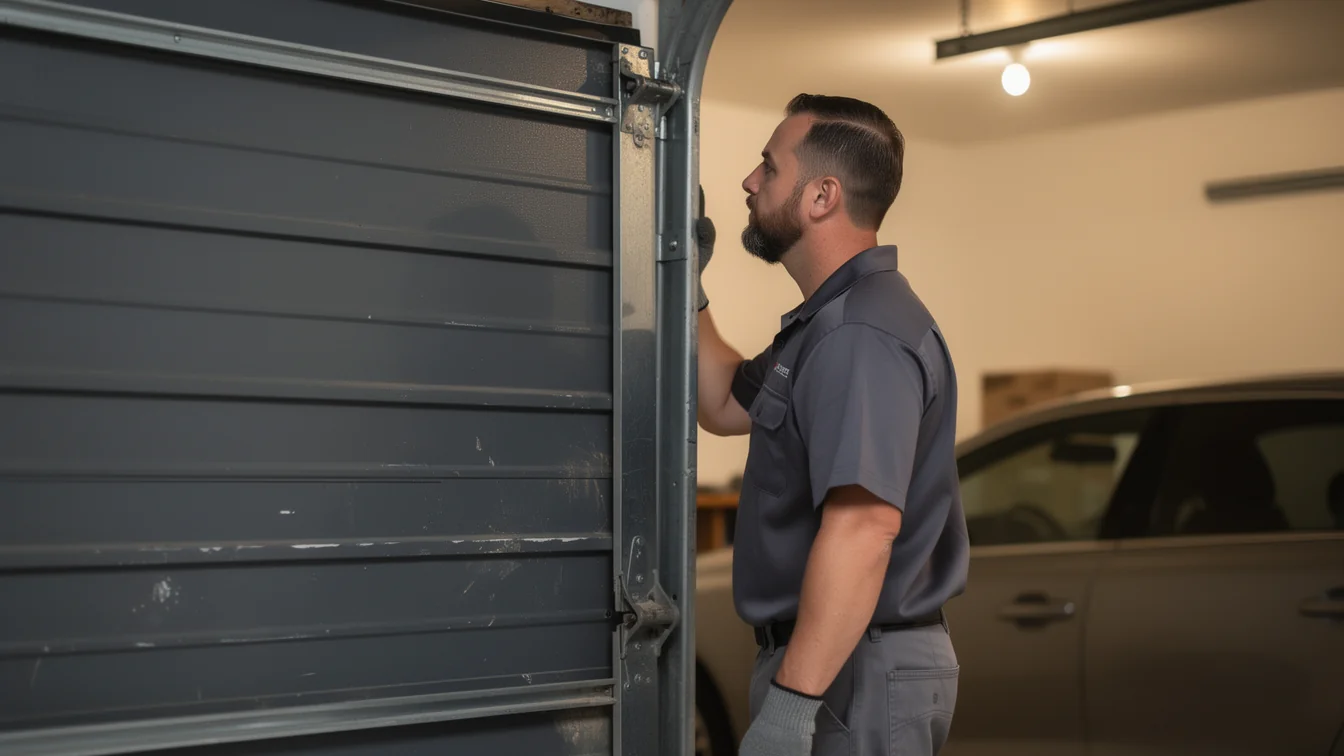
 What Those Clunks and Grinds Are Telling You About Your Marietta Garage Door
What a grinding, popping, or rattling garage door means for homes built across Marietta's 1964-2007 housing stock, and why the cold-moderate climate changes the diagnosis.
Older Marietta Garage Doors and the Insulation Gap
Marietta homes built 1964-2007 often lack foam-filled garage doors. Here's how our cold-moderate climate and older housing stock affect repair and replacement.
Local detail
How Local Conditions Play In
Most of the housing stock around here went up between 1964 and 2007, with the median landing around 1984. That date matters more than it sounds like it should. In that era, a steel garage door was a single layer of metal over a frame - no polystyrene, no polyurethane, nothing filling the panel. Insulation wasn't a line item on the spec sheet yet; it was an upgrade nobody asked for because gas was cheap and garages were just for the car.
Across the eighteen named areas that make up this stretch, the pattern repeats: 1980s and 90s stock dominates. That means the door bolted to the track in a lot of these garages is the original one-piece or early sectional steel panel, uninsulated, running on hardware sized for a lighter build than what's sold today. When that door starts to sag, warp, or won't seal at the bottom, the fix usually isn't a tune-up - it's a mismatch between a 40-year-old panel and the opener or weatherstripping someone added later. We see this a lot more here than in newer subdivisions where insulated doors shipped standard from day one.
The area
Season by Season
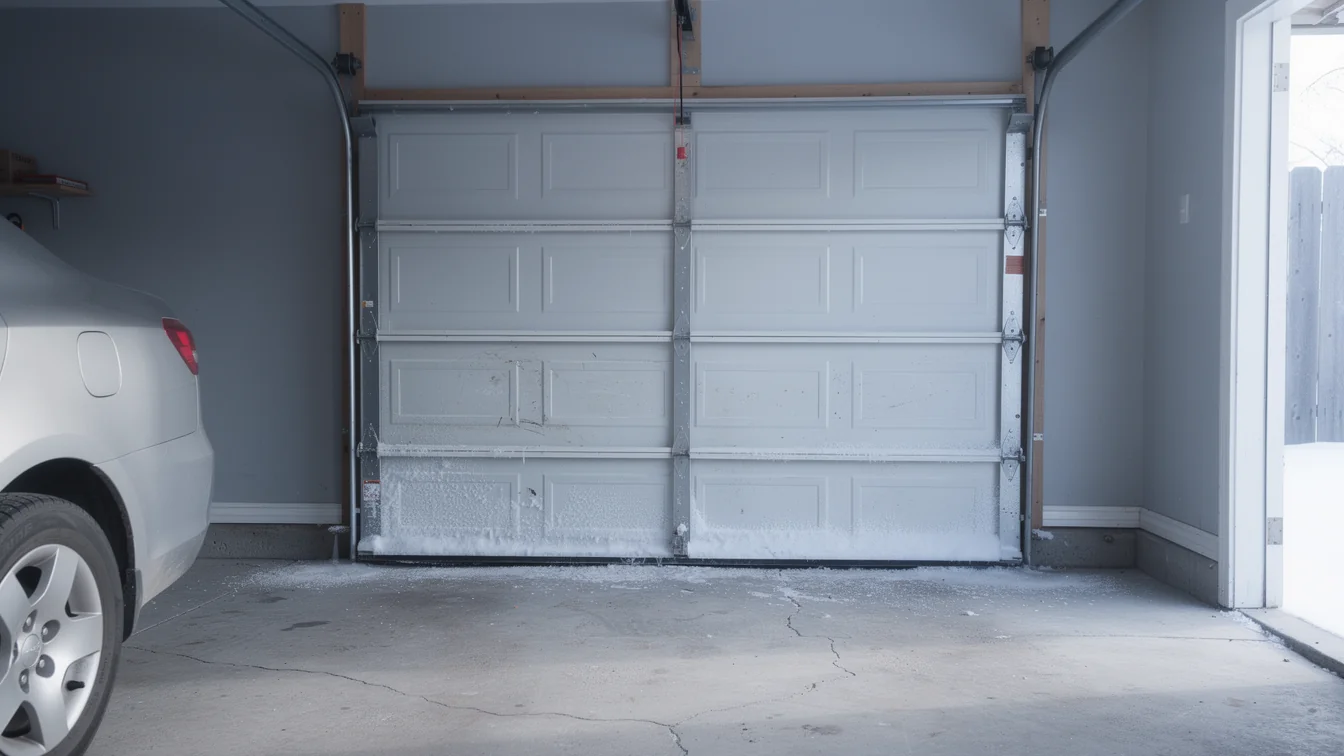
We sit in a cold-moderate climate band, not the deep freeze further north and not the mild winters of the Gulf states. That middle ground is actually harder on an uninsulated door than either extreme. The panel sees real temperature swings - cold enough overnight to stiffen a torsion spring and shrink the steel slightly, then back up during the day. On a door with no foam core, that cycle happens directly against the metal, with nothing to buffer it. Over enough winters, you get seams that loosen, seals that crack, and a bottom panel that no longer sits flat on the slab.
Spring and fall bring the humidity swings that work on wood trim and old weatherstripping - not dramatic, but steady wear that an insulated, better-sealed door shrugs off more easily. Summer heat is less of an issue structurally, but it's when homeowners notice the garage running 15-20 degrees hotter than the house, because there's nothing in that old panel to slow the transfer. None of this breaks a door overnight. It's cumulative, and it shows up fastest on the doors that were never built to handle it in the first place.
What we find
What It Costs
We're not going to quote a number here, because what a job costs depends on what's actually on your garage - original 1980s steel, a replacement from the 2000s, insulated or not, torsion or extension spring. What we can tell you is what drives the decision. On a door from that 1964-2007 window, the hardware is often the limiting factor, not the panel: a torsion spring sized for an uninsulated door won't balance an insulated replacement without adjustment, sometimes a full spring swap.
The honest tradeoff is this: retrofitting insulation into an old panel almost never makes sense. The labor to strip and refit a 40-year-old steel door costs more than it's worth, and the fit is never as clean as a new insulated section built for it. If the door is still square and running smooth, a repair is usually the right call. If it's sagging, rusted at the bottom corners, or the panels have started to separate, replacement with a properly insulated door is the better money, even though it's the bigger ticket up front. We'll tell you which situation you're in before we tell you what to do about it.
How we work
The Situation
This service area covers 37,853 owner-occupied houses out of 111,498 households total, most built in that same 1964-2007 stretch, with a median household income of $82,276. That combination - older housing stock, owners who stay in their homes, enough income to fix things right instead of patching them - is why we see so many original doors still in service decades past when they'd have been replaced in a newer, more transient market.
We work from Fair Oaks, about 2 miles out, through Vinings, Mableton, and Powder Springs in the 8-to-10-mile range, and out to areas like Hiram, Lithia Springs, and Clarkston toward the edge of the service area, 13 to 20 miles depending on direction. The build pattern doesn't change much across that whole stretch - it's the same era of door, the same climate band, the same kind of fix needed. One thing we don't do is custom match a discontinued panel style exactly; if your door is an uncommon original design, we'll tell you straight whether a repair is realistic or whether it's time to replace.
Questions
Common questions
Is my garage door insulated if the house was built in the 1980s?
Not usually. Most doors installed on houses built in that window were single-layer steel with no foam fill - insulated doors weren't standard until later. If you haven't replaced the door since the house was built, assume it's uninsulated unless you can see a foam core when you look at the back of a panel.
Does it make sense to add insulation to an old garage door instead of replacing it?
Rarely. Retrofitting foam into a 1980s or 90s steel panel costs more in labor than the door is worth, and the fit is never as tight as a door built insulated from the start. If the panel is still square and the hardware is sound, a straight repair is usually the better move. If it's sagging or rusted, replacement wins.
Why does my garage feel so much hotter or colder than the rest of the house?
An uninsulated steel door does nothing to slow heat transfer, so the garage tracks closer to the outside temperature than the living space does. In a cold-moderate climate with real seasonal swings, that shows up both in winter stiffness on the hardware and in summer heat buildup.
How do I know if my spring is still matched to my door?
If you've swapped an old uninsulated door for a heavier insulated replacement without changing the spring, the door may feel hard to lift by hand or the opener may strain. Torsion springs are sized to the door's weight, and an insulated panel typically weighs more than the original.
Recommendation
You Might Also Like
More garage door guides for Marietta homeowners.
What Those Clunks and Grinds Are Telling You About Your Marietta Garage Door
What a grinding, popping, or rattling garage door means for homes built across Marietta's 1964-2007 housing stock, and why the cold-moderate climate changes the diagnosis.
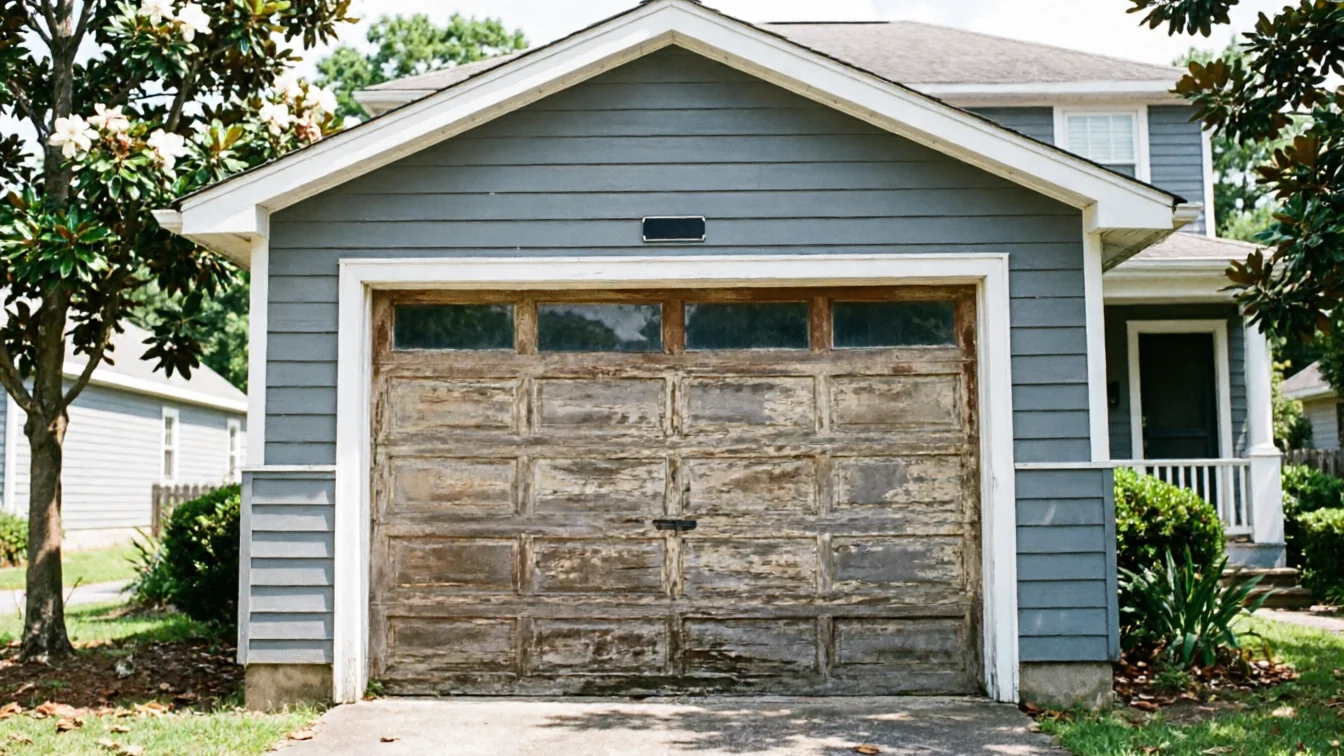 Is Your Marietta Garage Door Worth Fixing or Should It Go
Marietta homes mostly date to the 1980s and 90s.
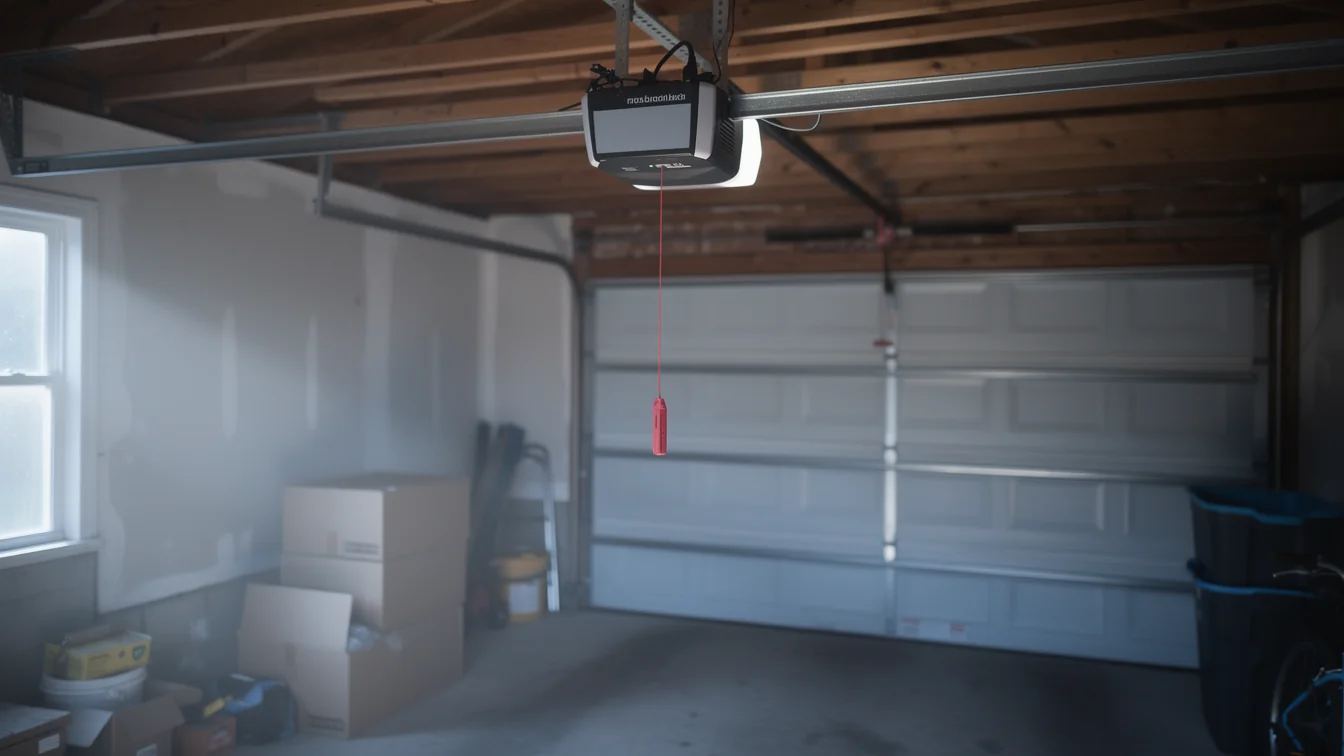 Openers, Power Cuts, and What Marietta Homes Actually Need
How Marietta's 1964-2007 housing stock and cold-moderate winters affect opener reliability during power cuts, plus what battery backup actually costs to add.
Ready when you are
Need a garage door sorted in Marietta?
Marietta Garage Door Co repairs and installs garage doors, springs and openers in Marietta, GA and the surrounding area.