Why This Fails Locally
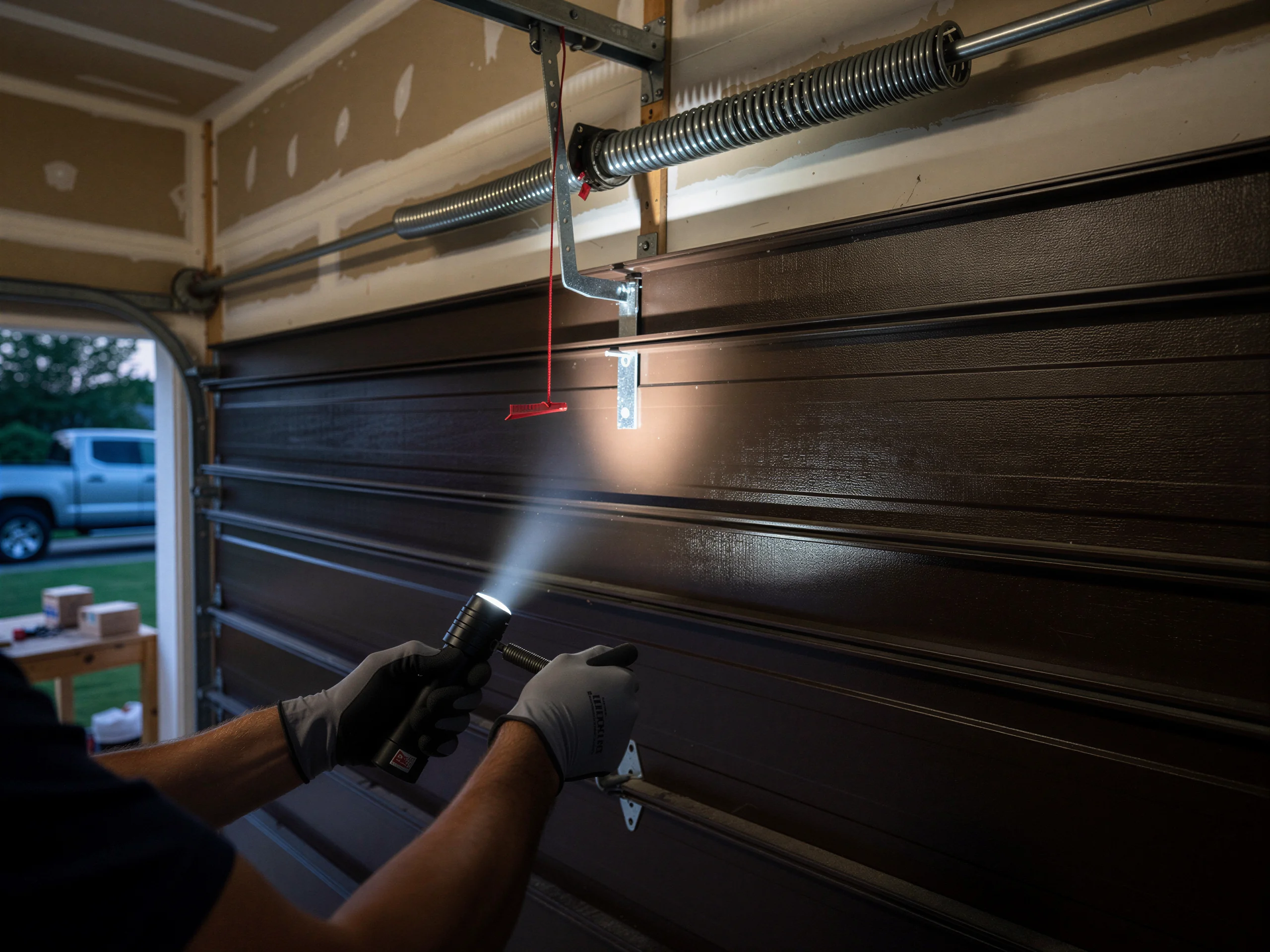
Most of the housing stock across our service area went up between 1964 and 2007, with the bulk of it dating to the 1980s and 90s across the 18 named areas we cover. That matters because a torsion spring is rated for a set number of cycles, usually somewhere around 10,000, and a house built in the mid-80s has had three or four decades to burn through that rating. We get a steady run of emergency calls that are really just the math catching up with the door.
The climate band here is cold-moderate, which is a different failure pattern than you'd see in a warm-climate market. Cold tightens steel and stiffens lubricant, so a spring or cable that's been fraying slowly for a year will often let go on the first hard cold snap of the season rather than on a random Tuesday in July. Garage doors in this area don't fail evenly across the calendar - they cluster around temperature swings, because the metal is already near its limit and the cold is what pushes it over.
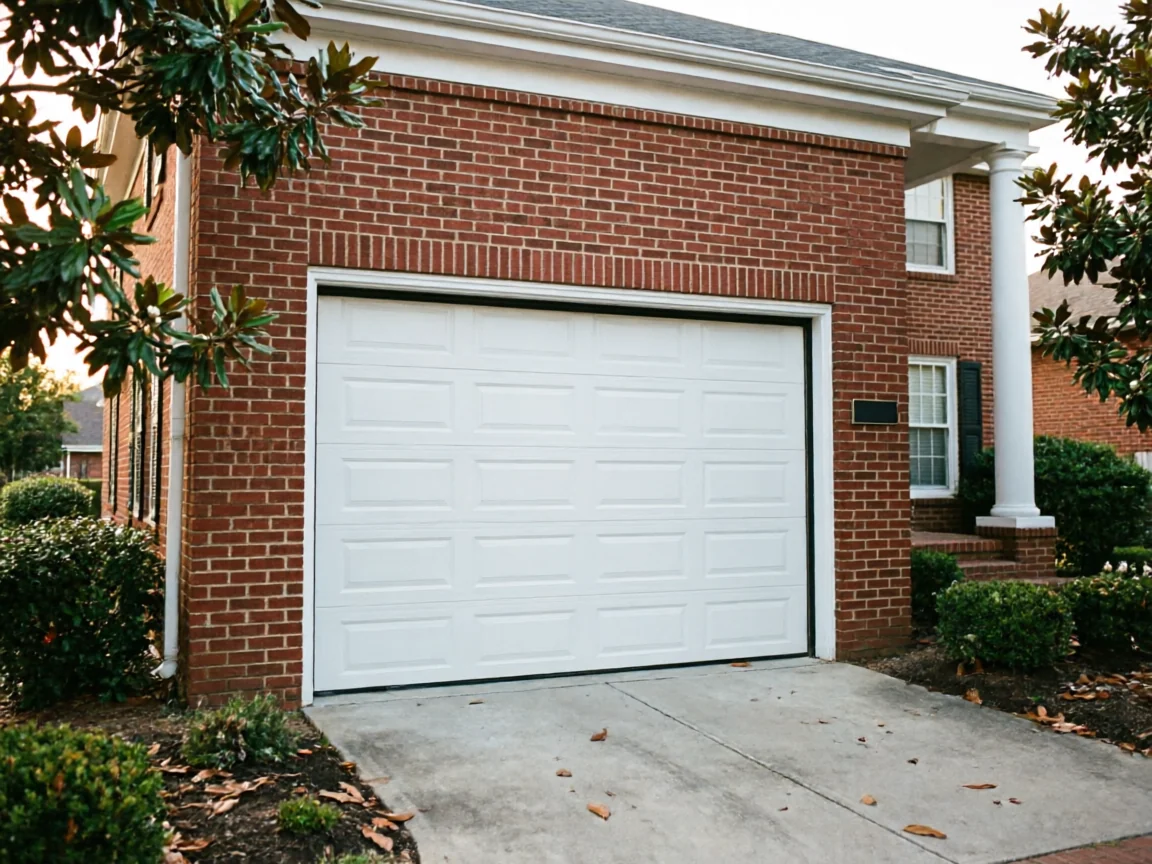
With 37,853 owner-occupied houses across roughly 111,498 households in the service area, a lot of these doors are original equipment from the build year or a first-generation replacement from the 90s. Neither is built for another decade of this without the springs and cables being swapped out before they fail on their own schedule.
What the Fix Involves
An emergency call almost always starts with the same question: is this a part that failed on its own, or is this a symptom of something upstream like a bent track or a worn opener gear.
Matching spring wire size
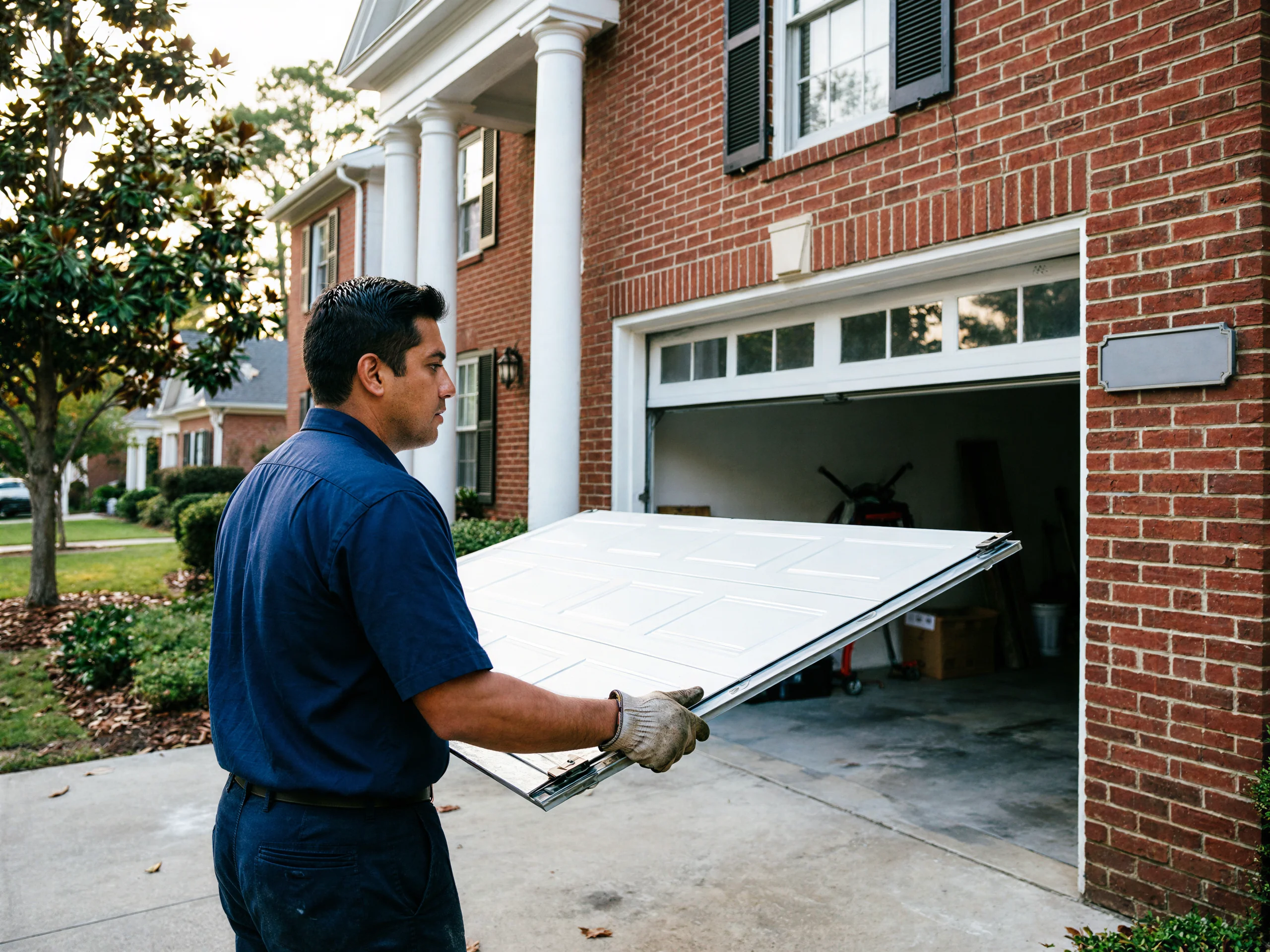
On a broken torsion spring, the fix is matching the wire size and wind to the door weight, not grabbing whatever's on the truck - a mismatched spring will either underlift the door or burn out again inside a year. On a snapped cable, we check the drum and the opposite cable at the same time, because if one side went from age, the other side is usually close behind.
Replace both cables together
We won't replace just the broken side and call it done if the other cable is visibly frayed; that's a second emergency call waiting to happen; we'd rather tell you now. Opener failures are a different animal - sometimes it's the opener itself, sometimes it's a stripped gear or a logic board that's cheaper to replace than the whole unit.
Opening housing before quoting
We open the housing before quoting anything, because guessing on an opener wastes your money either way it goes. One honest limitation: if a part is obsolete or specific to a door that's no longer made, we may need to source it rather than carry it on the truck, and that can push a same-day fix to next-day.
Time on the Job
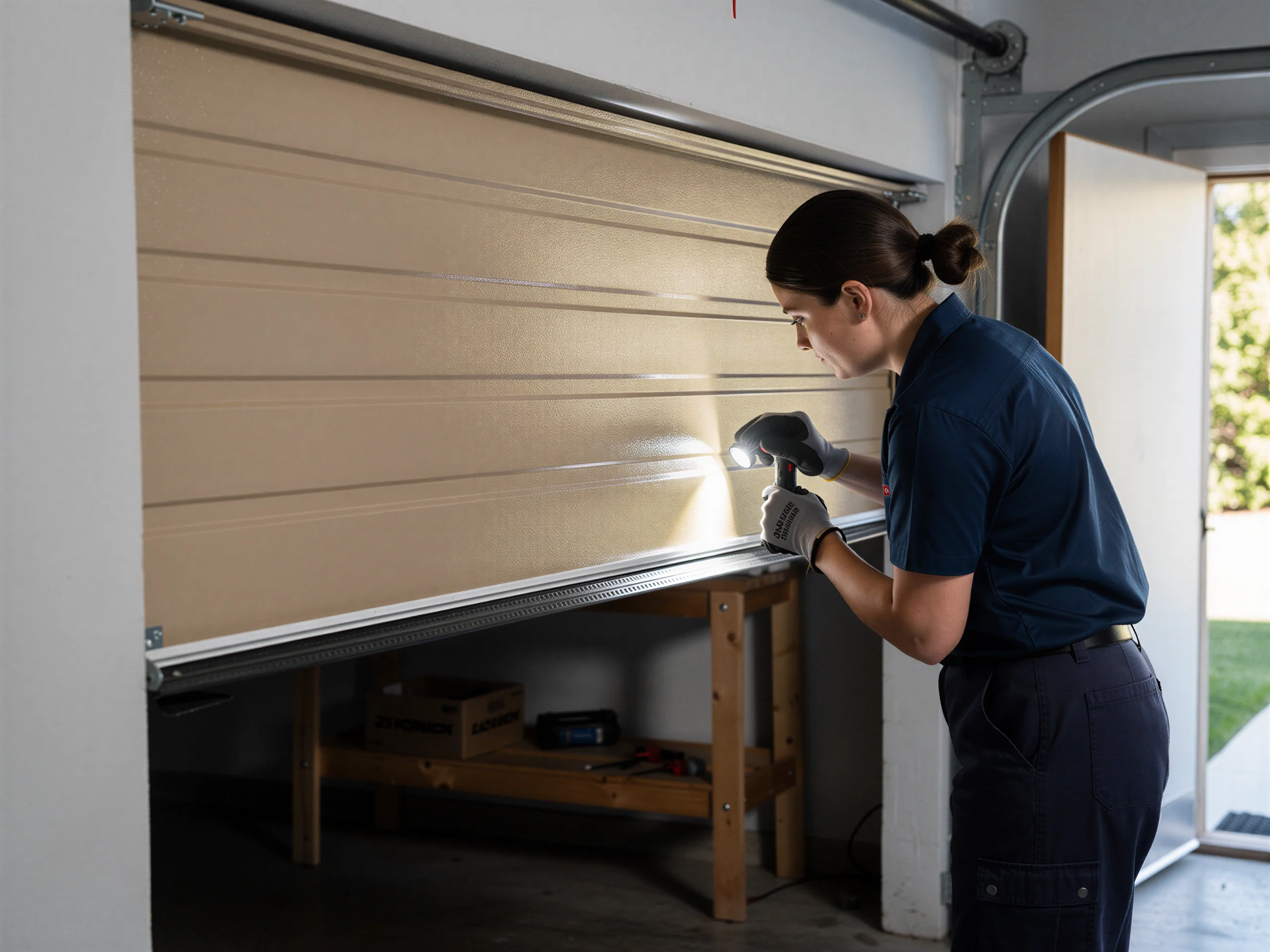
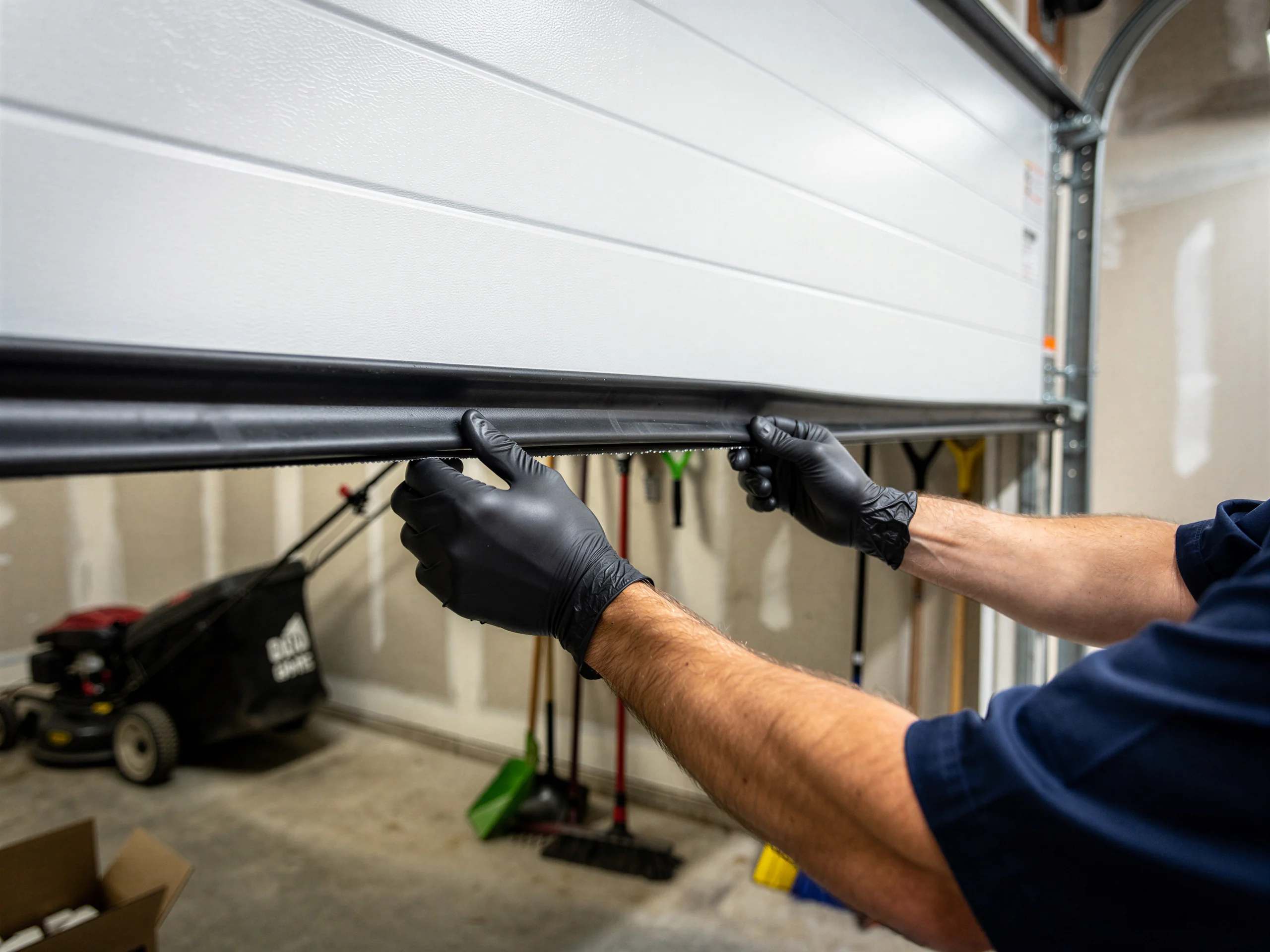
A straightforward spring or cable replacement on a standard double door is typically an hour-or-so job once the tech is on site, assuming the drums and track are in reasonable shape.
Electrical faults take longer
Opener repairs vary more - a gear kit swap is quick, but tracing an electrical fault or a logic board issue takes longer because we have to isolate the actual cause before we touch anything. What extends a job isn't usually the repair itself, it's what we find once the door's open.
Hidden wear extends jobs
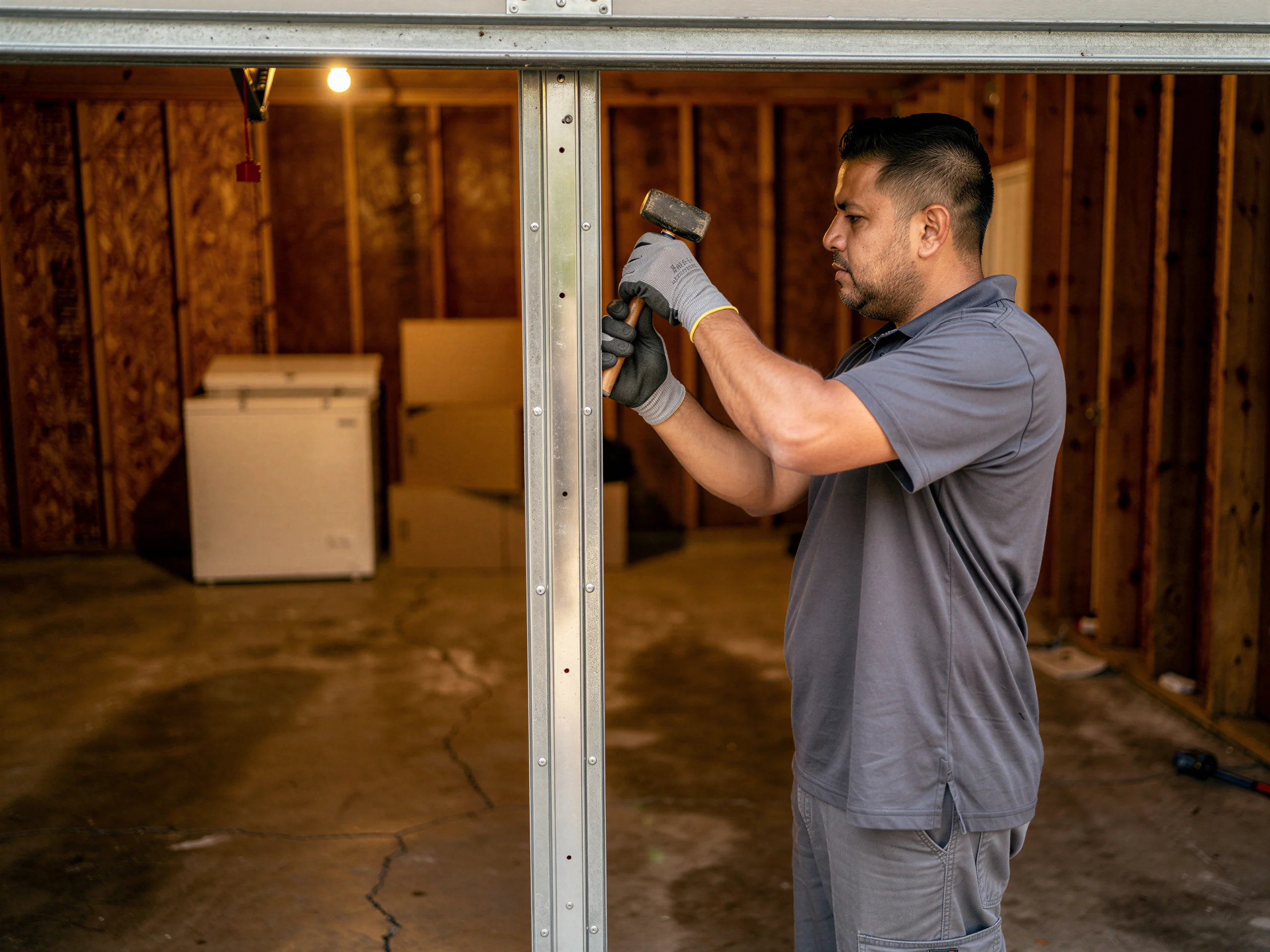
A track that's been slightly bent for years and finally let a roller jump, or a cable drum with enough wear that it needs replacing alongside the cable - these add time because they weren't the reason for the call but they're part of why the door failed when it did.
No padding, safety fixes included
We don't pad a visit with upsells, but we also won't put a door back together halfway and leave a second failure for next month. If something needs to be addressed for the door to work safely, we'll say so on site, with the reasoning, before we do it.
What You Are Seeing
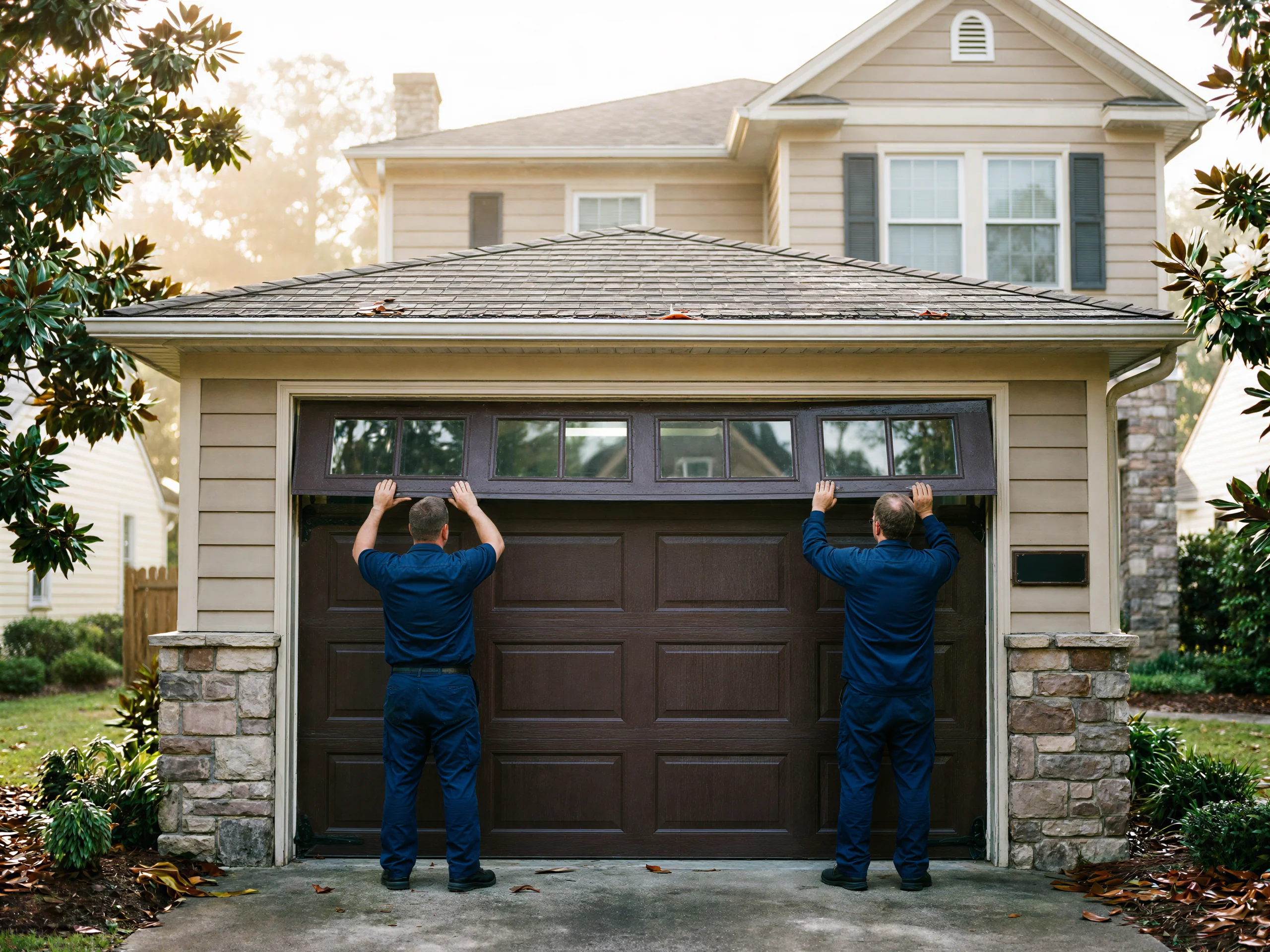
The classic emergency call is a door that won't move at all, with a loud bang beforehand - that's almost always a torsion spring letting go, and the door is dangerously heavy to lift by hand at that point.
Uneven movement means cable
Don't try to force it open manually; wait for the tech. A door that opens partway and reverses, or that moves unevenly side to side, points to a cable or track problem rather than the opener itself - one side is binding while the other moves freely.
Humming without movement
A door that hums but doesn't move usually means the opener motor is trying but something mechanical is stuck, which could be the spring, a jammed track, or a worn gear inside the unit.
Blinking light, board fault
If the opener light blinks and the door won't respond to the remote or the wall button at all, that's more likely an electrical or logic board issue than a spring problem, and it's worth mentioning on the call so the right tech and the right parts show up the first time.
Talk to a local pro
Garage door service in Marietta?
Same-day service with honest, upfront quotes.