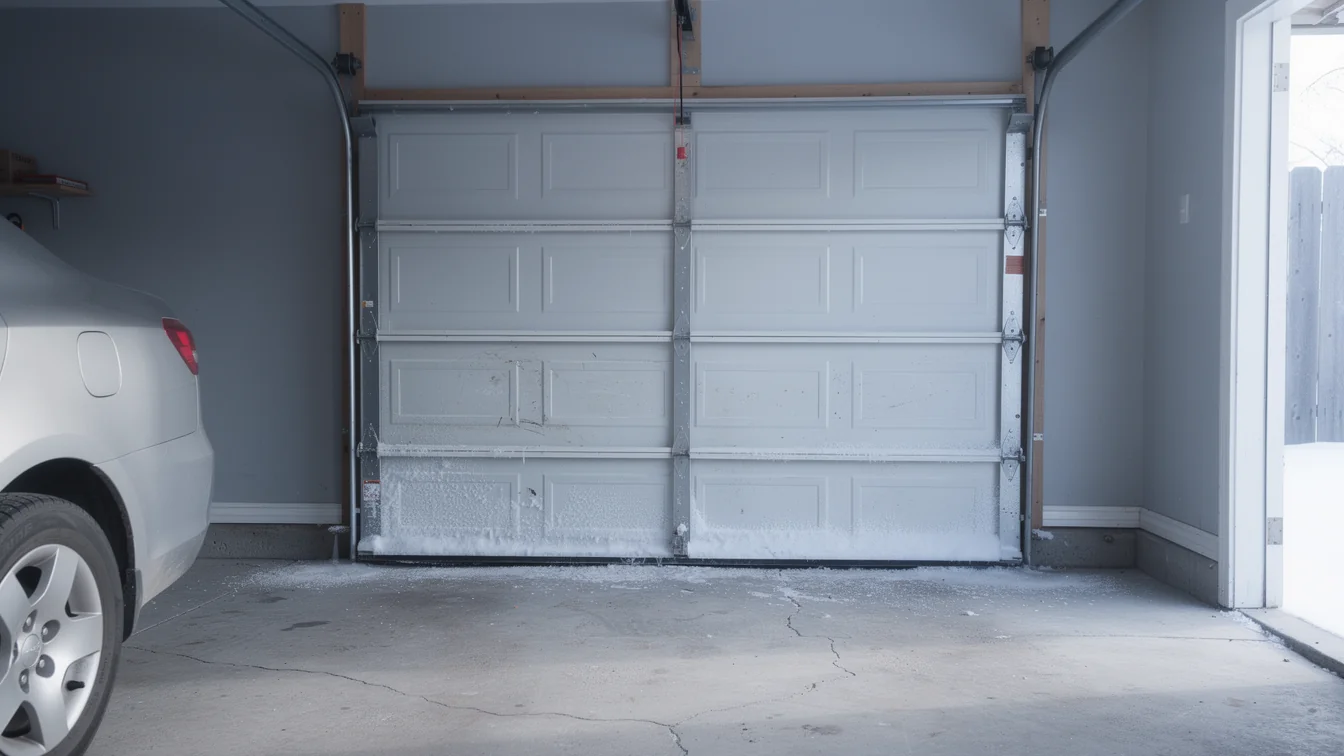
 Older Marietta Garage Doors and the Insulation Gap
Marietta homes built 1964-2007 often lack foam-filled garage doors.
Is Your Marietta Garage Door Worth Fixing or Should It Go
Marietta homes mostly date to the 1980s and 90s. Here's how that housing stock and our cold-moderate winters affect whether your door is worth repairing.
Local detail
How Local Conditions Play In
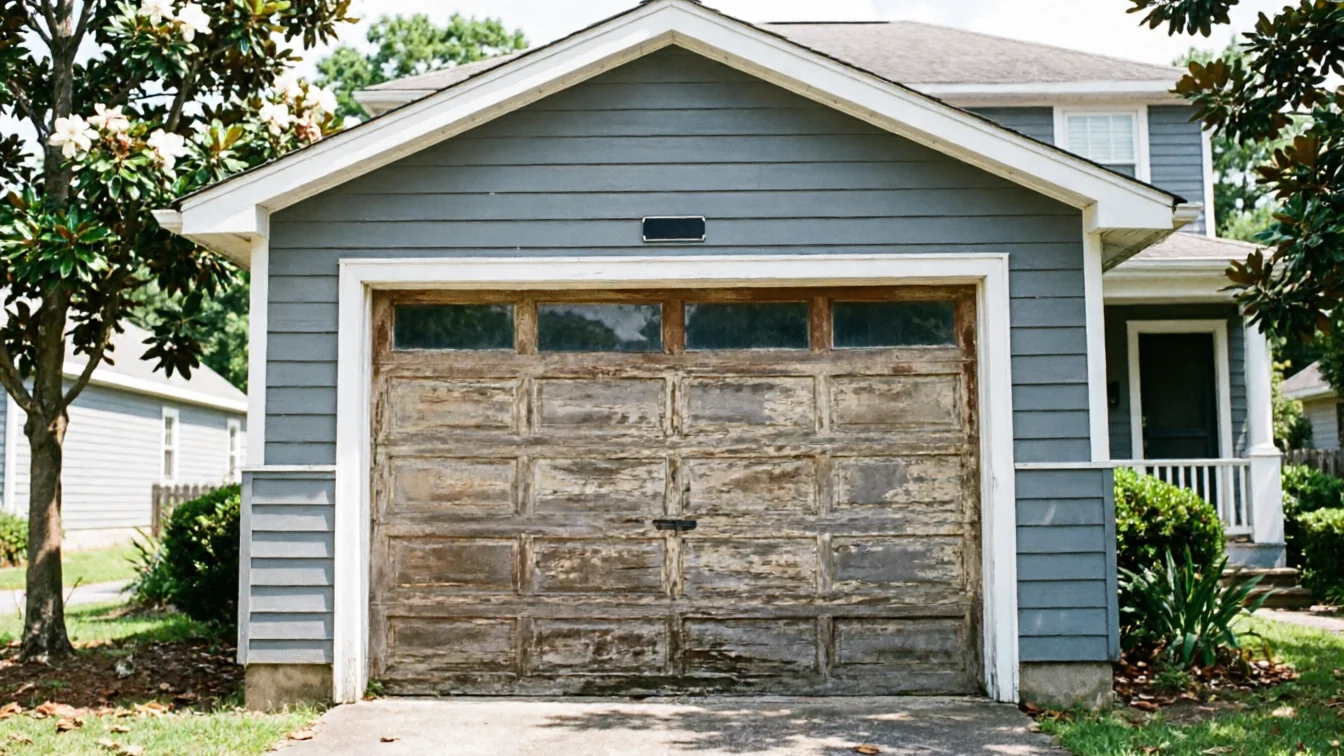
Most of the housing stock around Marietta went up between 1964 and 2007, with the median build year sitting around 1984. That means a huge share of the doors we get called on are original or close to it - mid-80s to late-90s steel sectional doors on torsion or extension hardware that was standard for that era. Across the 18 named areas we cover, that pattern holds: 1980s and 90s construction, not scattered one-offs. What that means for you is parts availability. A door from 1986 might still use a spring size or track profile that's been phased out, which pushes a simple repair toward a full replacement just because the part isn't sitting on a shelf anymore. Our climate here is cold-moderate, not the deep-freeze conditions that crack hardware outright, but enough seasonal temperature swing that galvanized springs and bearings wear down steadily over three or four decades rather than failing suddenly. We don't guess at your door's age from a phone call. If it was installed anywhere near when the house was built, that's useful information before we even get in the truck.
The area
Season by Season
In a cold-moderate climate like ours, the stress on a garage door isn't dramatic - it's cumulative. Cold mornings tighten up lubricant on rollers and hinges, so a door that's a little noisy in January is usually just telling you it needs grease, not a new opener. Where the real wear shows up is on torsion springs that have been cycling for 30-plus years through repeated seasonal contraction and expansion. That's consistent with housing stock built mostly in the 1980s and 90s: these doors have been through three decades of temperature cycling, and spring steel has a cycle life regardless of how gently it's treated. We don't see the kind of sudden extreme-cold spring snaps that garages in harsher climates deal with, but we do see steady fatigue failures, especially on doors that were never serviced. If your door is original to a house built in that window, the honest read is that it's closer to the end of its spring life than the beginning, even if it still looks fine.
What we find
What It Costs
We're not going to throw a number at you here, because what a repair costs depends on what's actually wrong and what parts a door from your era takes - and that varies a lot across the 1980s-to-2007 range of houses in this area. What we can tell you is the logic we use on the truck. If a door built when the house was new needs one spring and the track is still straight, that's usually a repair worth doing. If we're pulling an opener apart and finding worn-out gears on top of a cracked panel, replacement starts winning on value, because you're paying labor twice instead of once. Median household income here runs a bit above $82,000, and most owners we talk to want a straight answer on whether a repair will actually hold for a few more years before they spend money on it. We'll tell you when it won't.
How we work
The Situation
Here's the honest limitation: we can't tell you over the phone whether your 1980s door is a repair or a replacement. We can tell you what's common. A door that matches the housing stock across this area - built sometime between the mid-60s and the mid-2000s, most commonly in the 80s or 90s - is old enough that a single failed part often isn't the only part close to failing. Springs, rollers, and cables wear on roughly the same timeline when they're original equipment. If you're within a few miles of Fair Oaks or out toward Vinings, the doors we see are cut from the same era, so the same rule of thumb applies: one repair is worth it, a second major repair within a year or two usually means the door's telling you something bigger. We'll look at the actual hardware before we tell you which one you're in.
Questions
Common questions
My garage door is original to a house built in the 1980s. Is it too old to fix?
Not automatically. A lot of 1980s doors around Marietta are still structurally sound; it's the springs, rollers, and cables that give out first. If the panel and track are straight, a repair can make sense. If we find multiple worn components at once, replacement usually costs less over time than repeated repairs.
Does Marietta's climate cause garage door problems?
Our cold-moderate climate doesn't produce the extreme freeze-thaw stress some regions see, but seasonal temperature swings still wear down torsion springs and lubricant over the decades. Combined with housing stock mostly dating to the 1980s and 90s, that means steady fatigue failure is more common here than sudden cold-snap breaks.
How do I know if it's worth repairing my old door instead of replacing it?
It comes down to how many parts are failing at once and whether replacement parts for your door's era are still available. A single spring or roller issue on an otherwise sound door is usually worth fixing. Multiple failures close together on a 30-plus-year-old door usually point toward replacement being the better value.
Recommendation
You Might Also Like
More garage door guides for Marietta homeowners.
Older Marietta Garage Doors and the Insulation Gap
Marietta homes built 1964-2007 often lack foam-filled garage doors.
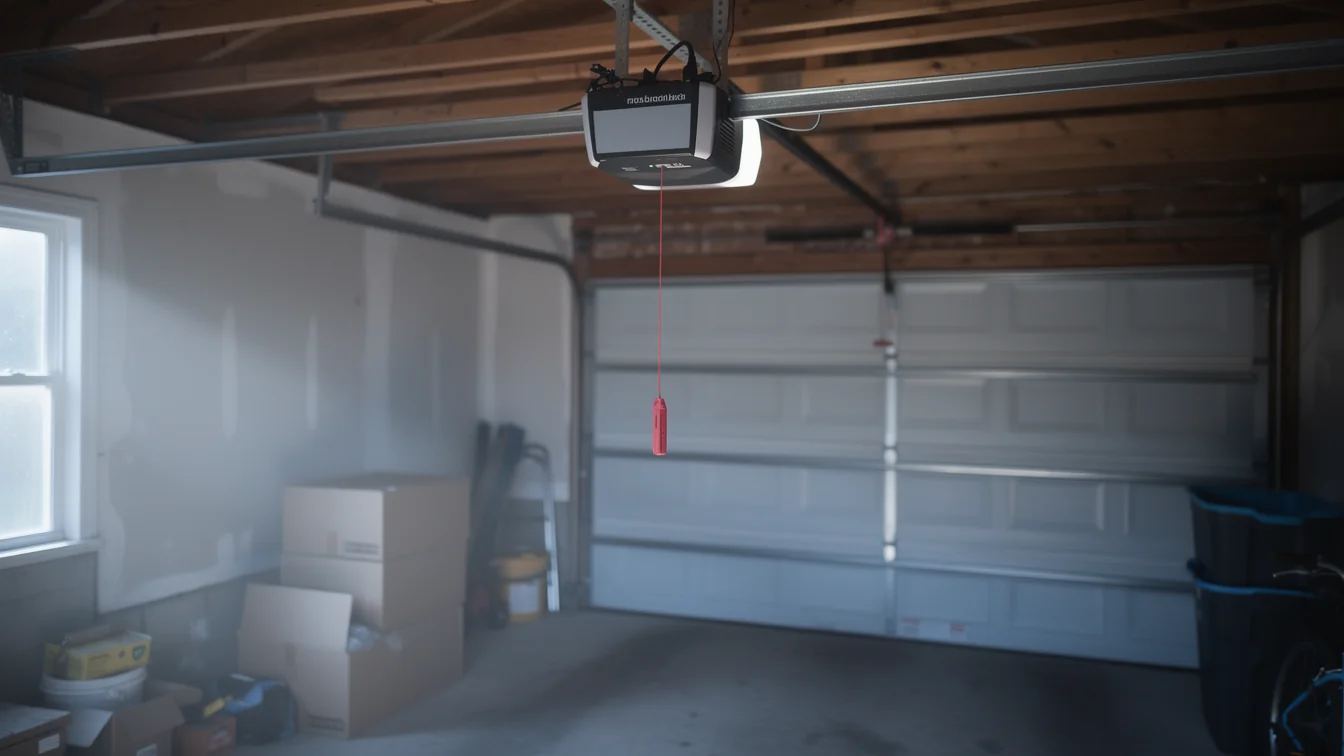 Openers, Power Cuts, and What Marietta Homes Actually Need
How Marietta's 1964-2007 housing stock and cold-moderate winters affect opener reliability during power cuts, plus what battery backup actually costs to add.
 What Those Clunks and Grinds Are Telling You About Your Marietta Garage Door
What a grinding, popping, or rattling garage door means for homes built across Marietta's 1964-2007 housing stock, and why the cold-moderate climate changes the diagnosis.
Ready when you are
Need a garage door sorted in Marietta?
Marietta Garage Door Co repairs and installs garage doors, springs and openers in Marietta, GA and the surrounding area.