
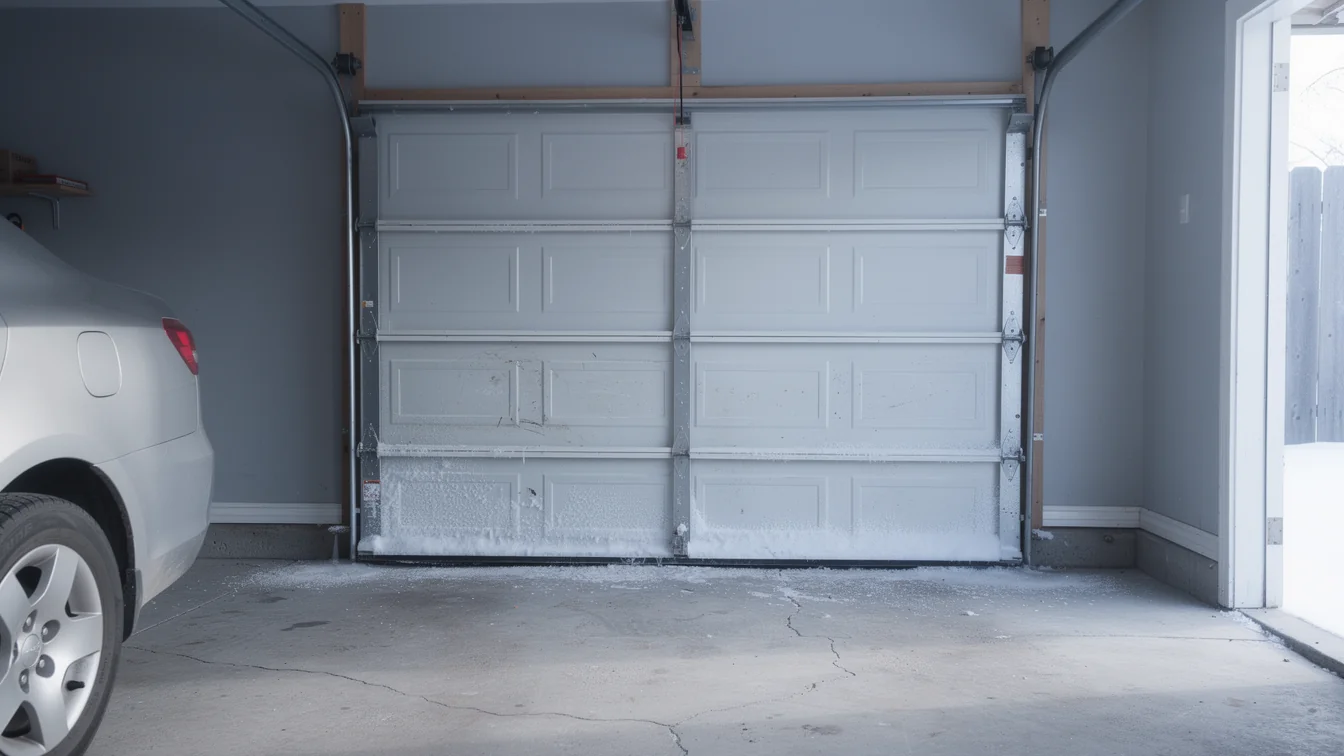
 Older Marietta Garage Doors and the Insulation Gap
Marietta homes built 1964-2007 often lack foam-filled garage doors.
What Those Clunks and Grinds Are Telling You About Your Marietta Garage Door
What a grinding, popping, or rattling garage door means for homes built across Marietta's 1964-2007 housing stock, and why the cold-moderate climate changes the diagnosis.
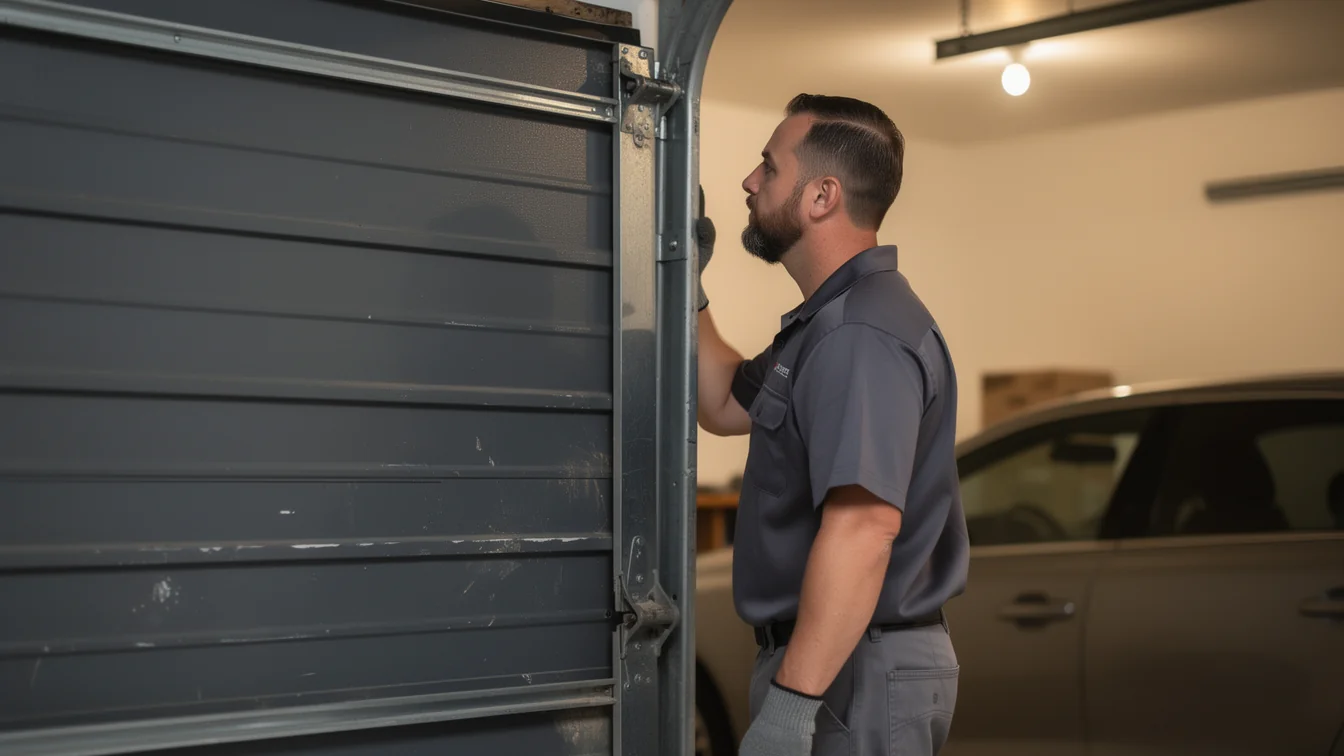
Local detail
How Local Conditions Play In
Most of the housing stock around Marietta went up between 1964 and 2007, with the median build year landing around 1984, and the bulk of it clustered in that 1980s-90s wave across the roughly eighteen named subdivisions and areas we work in. That matters because a door built in 1984 isn't hung the same way as a door built in 2005. The older torsion setups in those 80s houses often run smaller-diameter springs and single-stile aluminum or steel panels that don't absorb vibration the way newer doors do - so a bad bearing or a dry hinge pin shows up as a louder, sharper sound than it would in a newer build. A grinding noise on a 1980s door usually means a worn roller riding in a track that's never been lubricated since the house was framed. On a 2000s-era door, that same grinding is more often a bent track from a car bump, because the hardware itself is newer and better sealed. Knowing which decade of the stock you're in tells you where to look before you ever pull a panel off.
The area
Season by Season
This area sits in a cold-moderate climate band, which means real temperature swings but nothing like the deep-freeze cycles of the upper Midwest. That still matters for a garage door. Steel torsion springs lose a measurable amount of tension as the metal contracts in cold weather, so a door that lifted fine in August can feel heavy and start popping or groaning in January - that's the spring compensating for cold, not a sign it's about to break, though it's worth a look if the noise sharpens overnight. Humidity swings through the warmer months do the opposite job on wood-framed jambs common in the 1980s-90s builds: the frame swells slightly, the door binds against the weatherstrip, and you get a dragging scrape instead of a clean roll. Neither extreme here is severe enough to crack a panel outright the way a true freeze climate would, but the moderate swing is exactly why a door that sounds fine in spring can sound different by winter. If a noise only shows up in one season, that's a real clue, not a coincidence.
What we find
What It Costs
I won't put a number on this without knowing your door, and I'm not going to pretend every job costs the same - that's the honest limit here. What I can tell you is what drives the cost up or down, tied to what's actually on your house. Doors from the 1980s-90s wave that makes up most of this stock often run older torsion spring sizes and panel styles that aren't stocked on every truck, which can mean a short wait on parts instead of a same-day swap. Newer builds from the 2000s tend to use standard hardware that's easier to source fast. A worn roller or a frayed cable is a small job regardless of the house's age. A full spring replacement or a bent track from impact costs more because of the labor to realign the rest of the hardware once one piece is off. If a door is old enough and worn enough that repair costs start closing in on replacement, I'll say so plainly rather than stack repairs on a door that's done.
How we work
The Situation
Across the service area there are roughly 111,498 households and about 37,853 owner-occupied houses, with a median household income of $82,276 - a market with enough older owner-occupied stock that a lot of the calls we get are about hardware that's simply reached the end of its working life rather than damage. We cover Marietta itself and out to places like Fair Oaks about two miles off, Vinings around eight miles out, and farther out toward Mableton, Powder Springs, and Austell in the ten-to-eleven mile range, with service reaching as far as Clarkston at the outer edge of twenty miles. The spread matters because the housing era shifts a bit as you move - areas closer in skew toward that mid-80s median, while some outer pockets run newer. A noise that's normal wear in one neighborhood's older stock might be a warning sign in a newer build a few miles over. That's why I'd rather look at the actual door than guess from a description over the phone.
Questions
Common questions
My garage door makes a loud bang when it closes - is that normal for a house this age?
In the 1980s-90s stock that makes up most of this area, a bang on close is usually a loose roller hitting the track stop or a cable that's developed slack. It's not something to ignore, since a slack cable under tension can snap. It's rare for this to be a factory defect this many decades in - it's wear, and worth a look before it gets worse.
Does cold weather really affect my garage door here?
Yes, though not as dramatically as a true freeze climate. In this cold-moderate band, torsion springs lose some tension as metal contracts, so a door can feel heavier and sound louder in winter than summer. If the noise is new and only shows up when it's cold, that's the spring responding to temperature, not necessarily a failure.
How do I know if my door's noise means repair or replacement?
If the hardware is from the older end of this area's 1964-2007 build range and parts are getting hard to source, repair costs can creep close to replacement. I look at the door in person before making that call - a grinding roller is almost always a repair, a cracked panel on an old door is often a replacement conversation.
Why does my door sound different depending on the season?
The cold-moderate climate here means real swings between seasons. Cold tightens spring tension and can make a door sound labored; warmer, more humid months can swell wood jambs on older builds and cause the door to drag or scrape against weatherstrip. A seasonal pattern in the noise is a real clue, not just coincidence.
Recommendation
You Might Also Like
More garage door guides for Marietta homeowners.
Older Marietta Garage Doors and the Insulation Gap
Marietta homes built 1964-2007 often lack foam-filled garage doors.
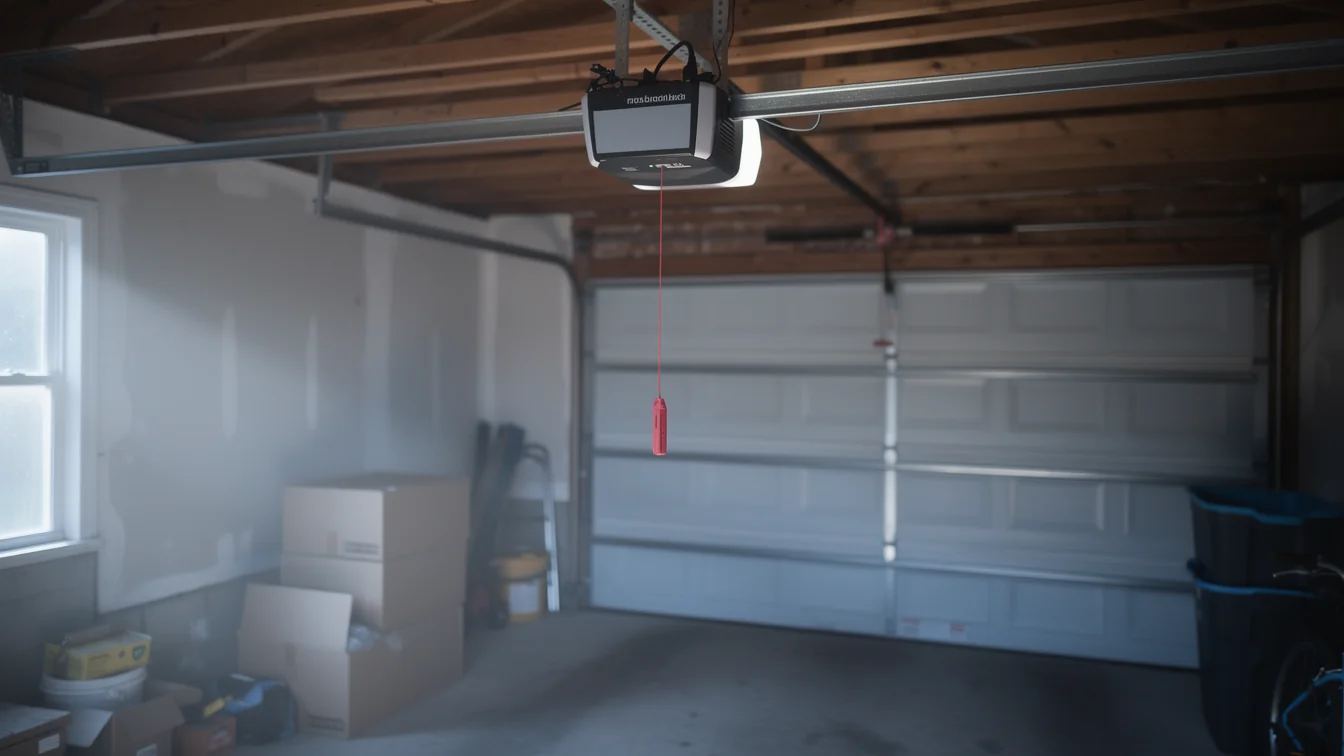 Openers, Power Cuts, and What Marietta Homes Actually Need
How Marietta's 1964-2007 housing stock and cold-moderate winters affect opener reliability during power cuts, plus what battery backup actually costs to add.
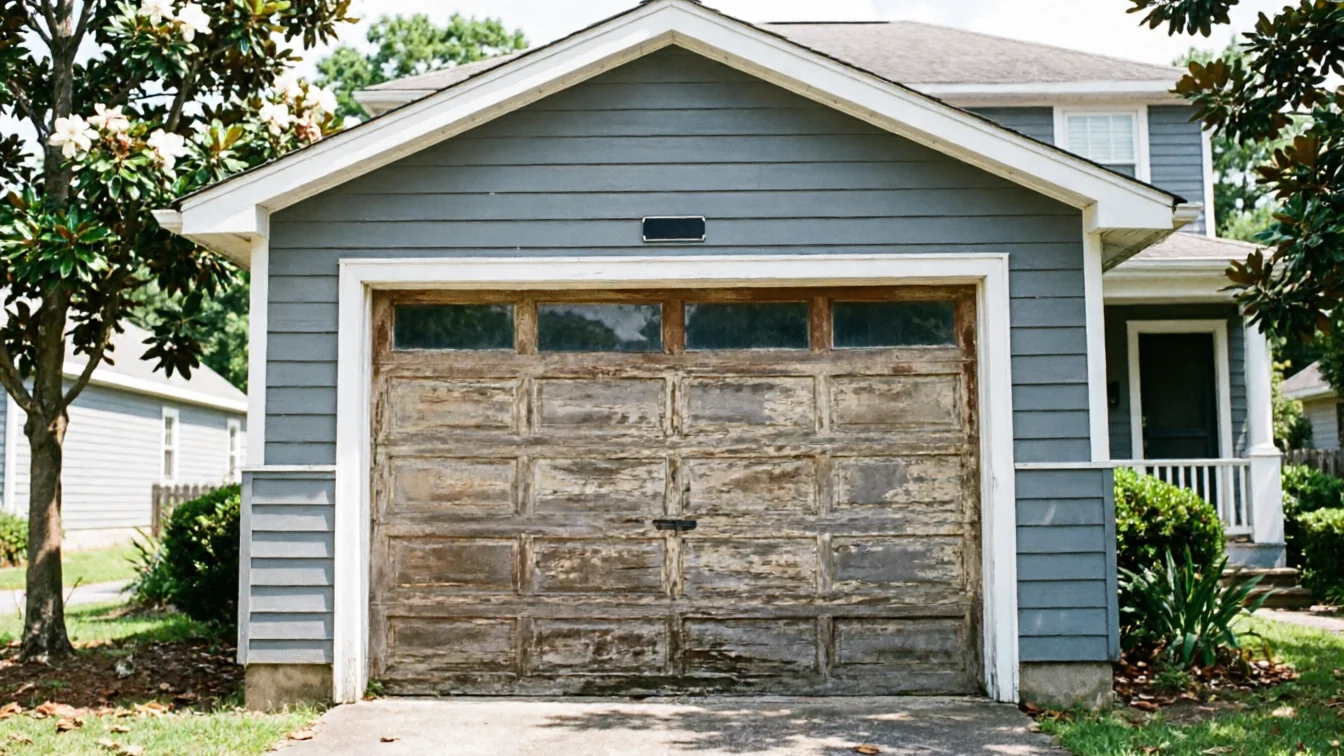 Is Your Marietta Garage Door Worth Fixing or Should It Go
Marietta homes mostly date to the 1980s and 90s.
Ready when you are
Need a garage door sorted in Marietta?
Marietta Garage Door Co repairs and installs garage doors, springs and openers in Marietta, GA and the surrounding area.