What It Costs
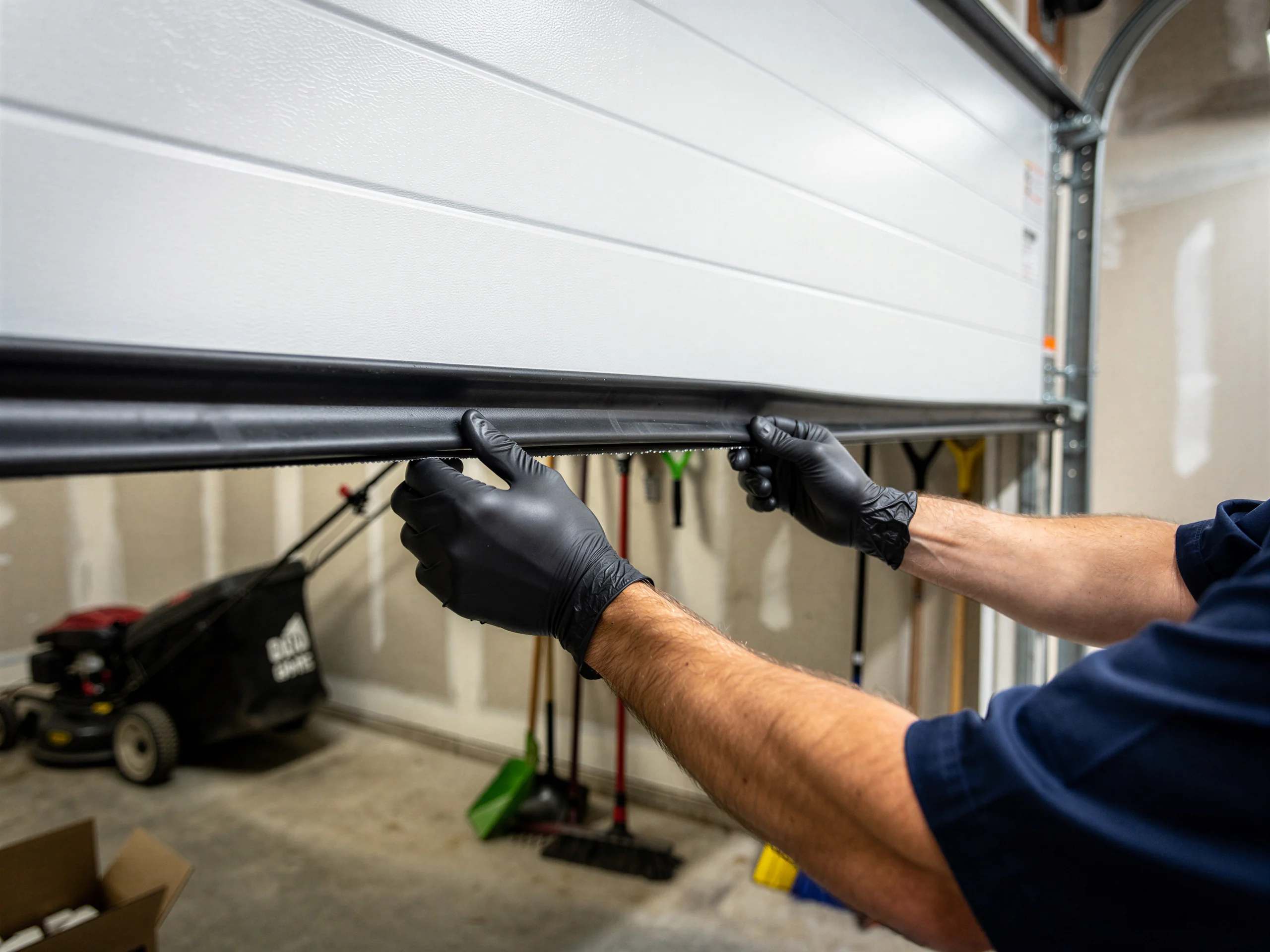
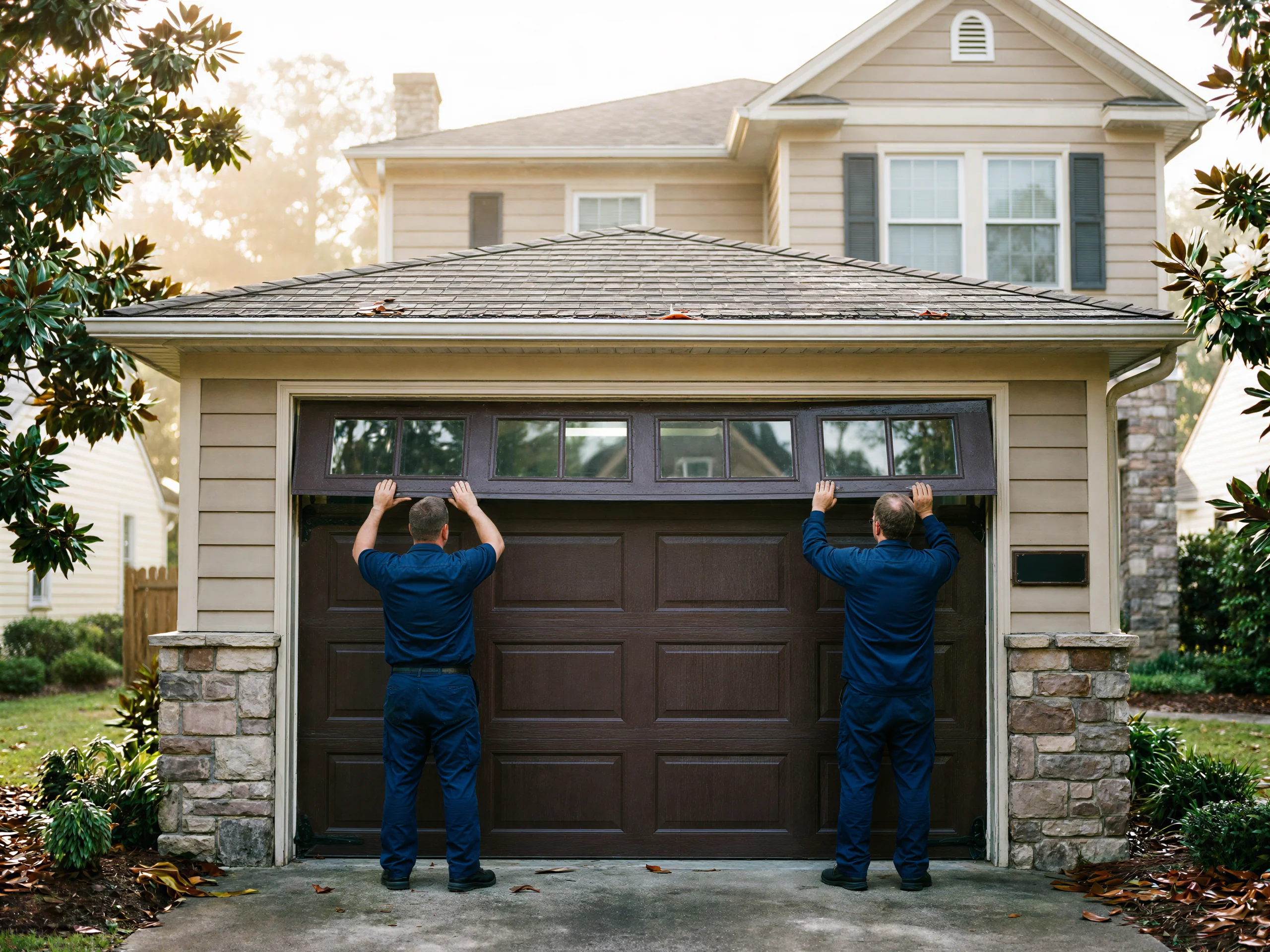
We don't quote a number until we've seen the door, because a 1970-era opening doesn't behave like the ones built twenty years later. A lot of Fair Oaks garages were framed before the wider range of sectional door widths became common, so some openings take a size that isn't the big-box default. That can mean a special-order panel instead of something off the shelf, which changes the bill more than labor does. Springs are the other variable: a single torsion spring sized for a heavier old-style door costs more to replace than the lighter dual-spring setups common on newer builds. We'll tell you on site whether you're looking at a repair or a full swap, and why, before we touch anything. One honest limit: if the track is bent badly enough from age or a bad DIY jack job, we'd rather replace it than keep adjusting it, even though adjusting is the cheaper quote to write.
The Complications
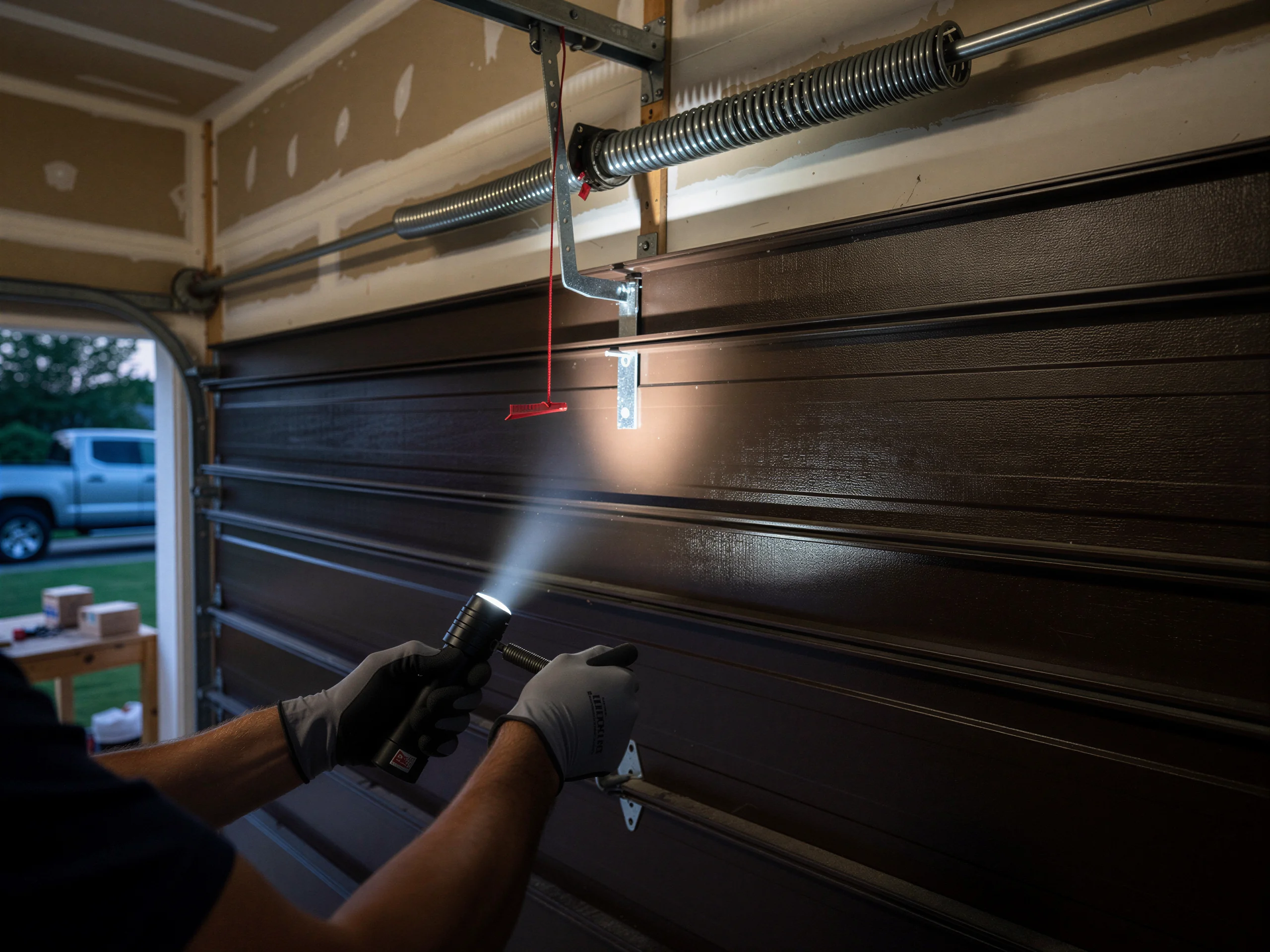
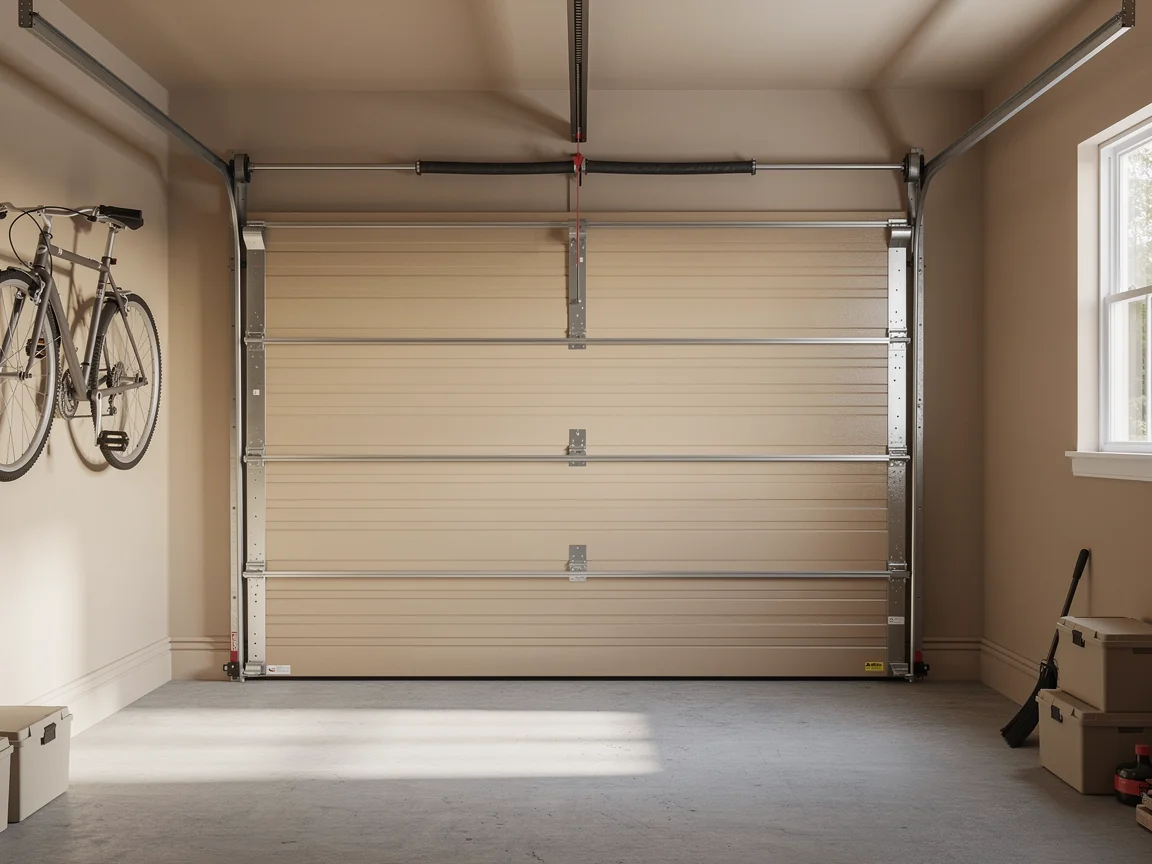
A house built around 1970 usually got a door with heavier hardware than what ships today - thicker gauge track, a single torsion spring instead of two, and often a extension spring setup if it's a single-car garage.
Discontinued spring sizes
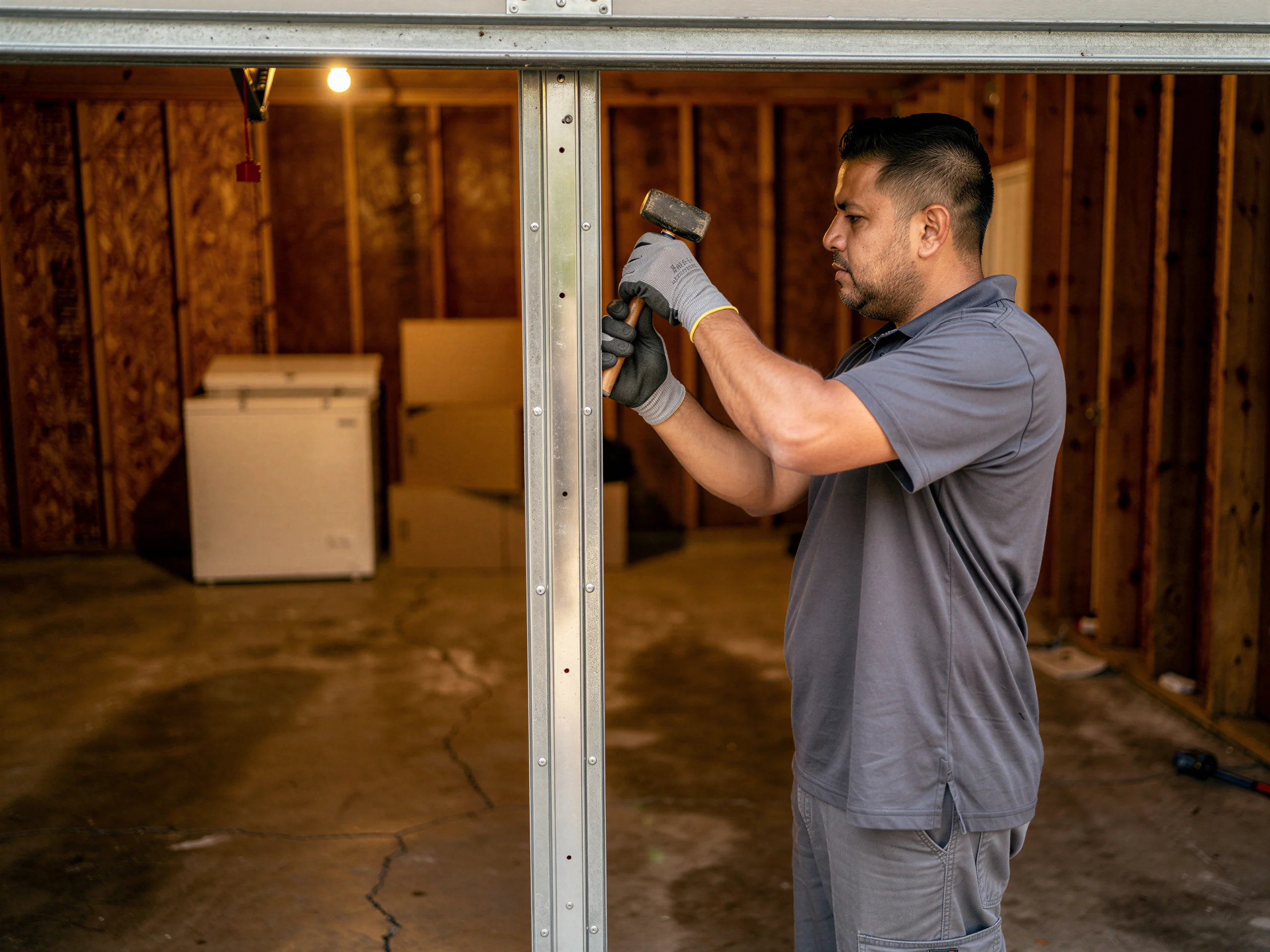
That older hardware doesn't fail the same way modern doors do. Cables fray at different points, the drums wear differently, and the spring itself may be a size nobody local keeps in stock because it was phased out decades ago. We also see openers that were added later, bolted onto framing that was never built for the stress of a motor pulling against original wood jambs.
Mixed-era hardware slows repairs
That's not a flaw in the door - it's just two different decades of hardware trying to work as one system, and it's the single most common reason a repair here takes longer than the same call in a newer part of the service area.
Doing It Yourself
Tightening a loose bracket or clearing the track of debris is fine to do yourself. Replacing a torsion spring on a door this old is not, especially a single spring carrying the full weight of a heavier 1970s-era slab - the wind-up force on those is higher than on the lighter dual-spring doors most YouTube tutorials show. We also wouldn't recommend swapping cables without taking the spring tension off first, which is where most garage injuries happen. If your opener is from this era too, check the photo-eye wiring before you call anyone - sometimes a repair call turns out to be a bumped sensor, and we'd rather tell you that over the phone than drive out for it.
Why This Fails Locally
Marietta's broader service area runs from doors built in 1964 up through 2007, a 43-year spread with 18 different pockets of housing stock, so a technician who only knows the newer end of that range will misjudge a Fair Oaks door on sight. The median build year here sits around 1970, well before the service area's own median of 1984 - that fourteen-year gap is the difference between a door built for a single heavy-gauge spring and one built for the lighter dual-spring standard most parts trucks stock for. Add the region's cold-moderate climate swings, which stiffen steel springs and dry out old wood jambs over a winter, and a door that's been fine for years can jump or bind with no warning. We come from Marietta, about 2 miles out, so the drive isn't the issue - knowing which decade's hardware is behind the panel is.
Talk to a local pro
Garage door service in Marietta?
Same-day service with honest, upfront quotes.