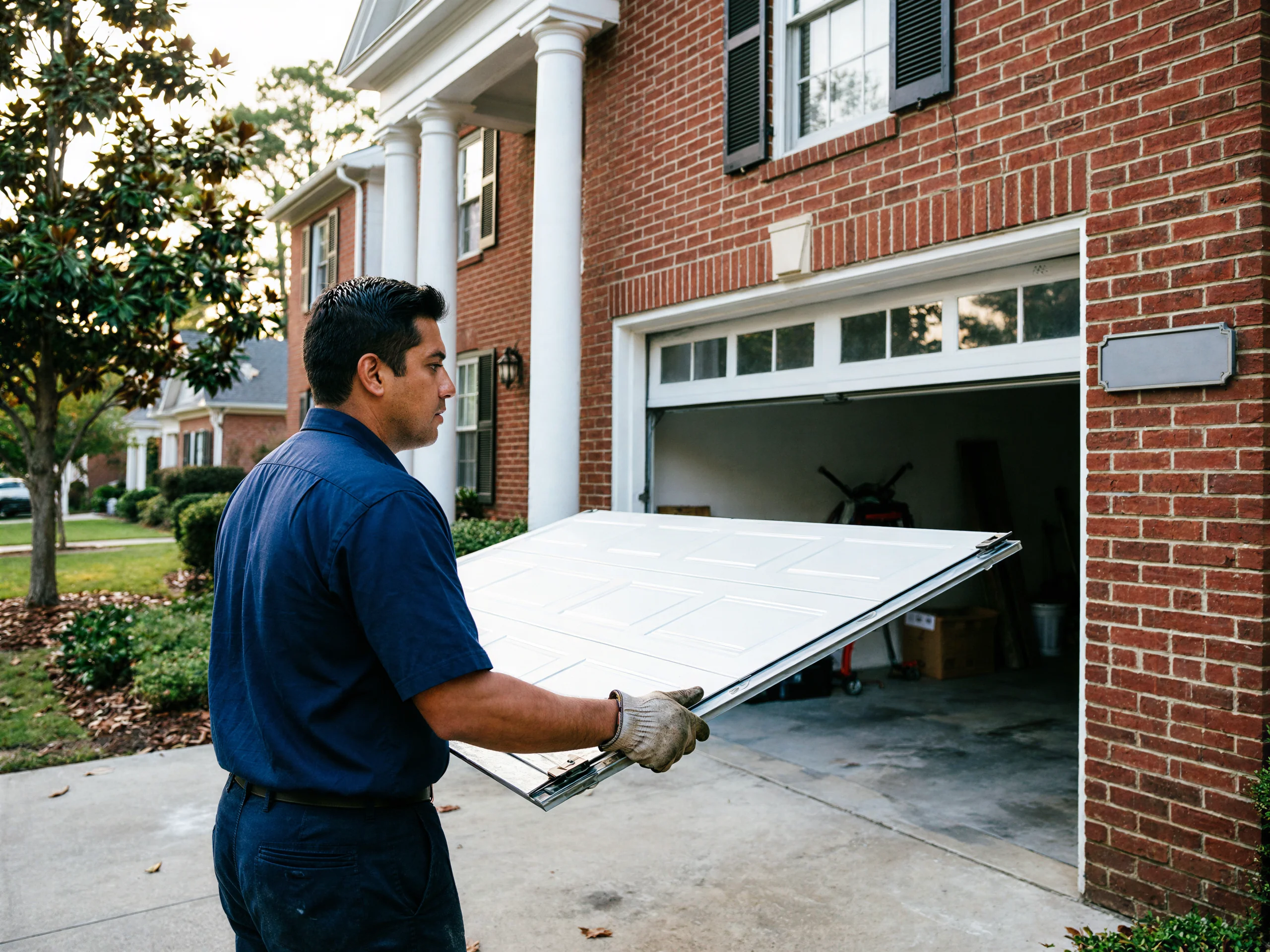
What It Costs
We don't quote a maintenance price here without seeing the door, but the factor that moves the number in Fair Oaks is age, not distance.
Travel minimal, age drives cost
The truck ride from Marietta is two miles, so travel isn't what drives the job. What drives it is that the typical Fair Oaks house went up around 1970, a solid decade before the median across the wider service area, which sits closer to 1984.
Mismatched past replacements
A door and track system that old has usually been through at least one replacement cycle already, sometimes a mismatched one - a newer opener bolted onto original rail, or a spring swapped out without checking the drum size against it.
Short list of corrections
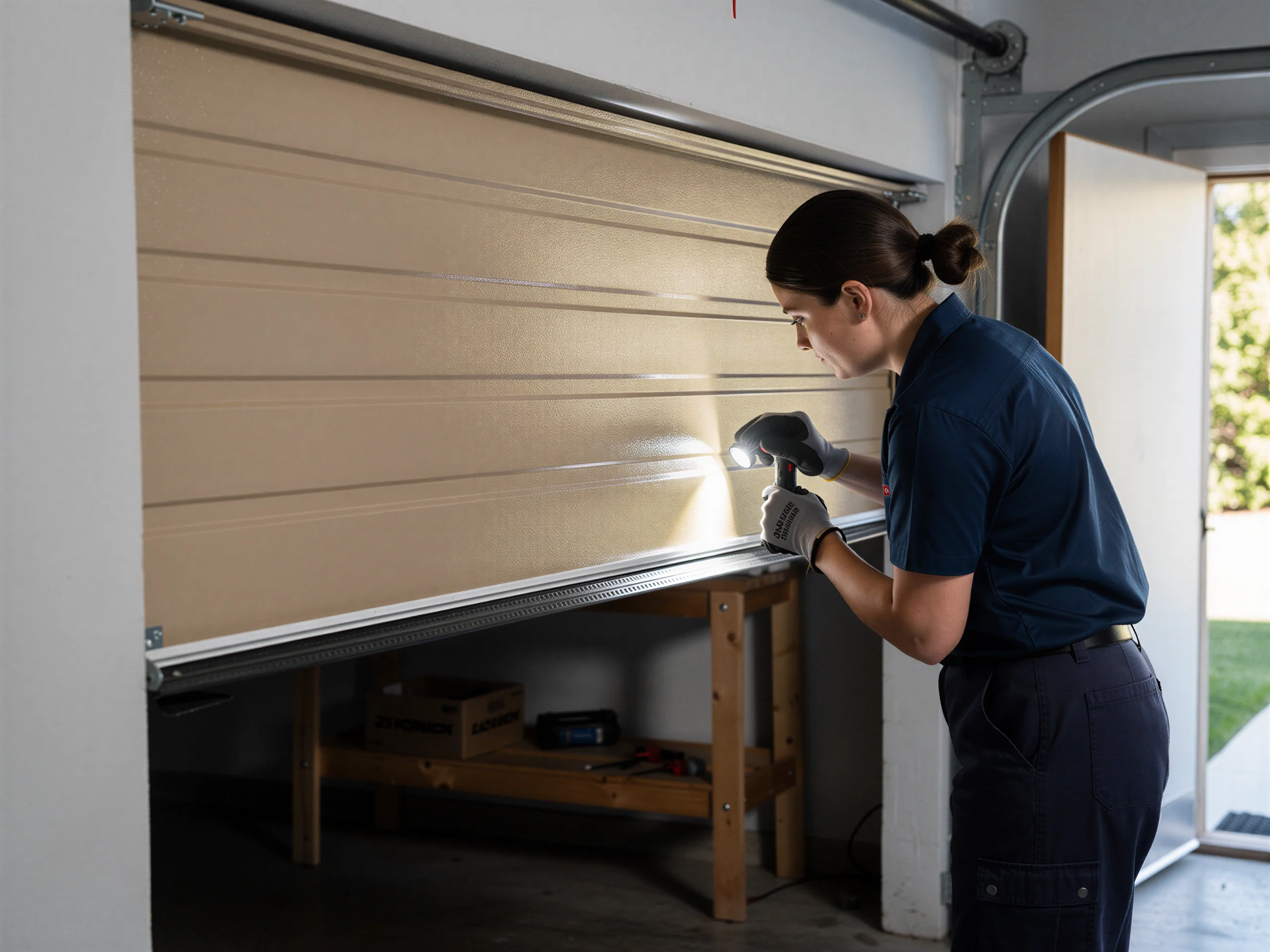
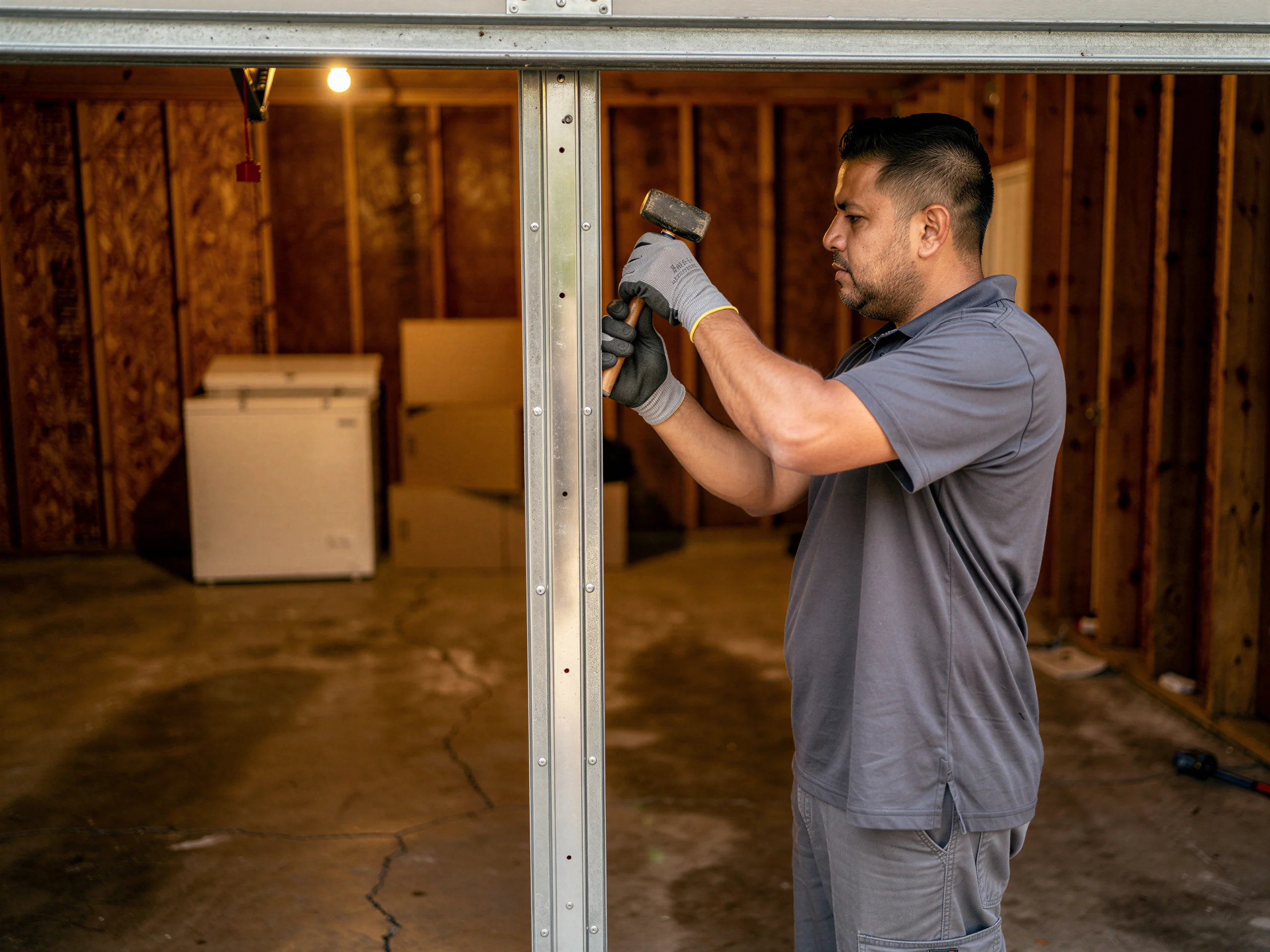
A maintenance visit on a house like that often turns into a short list of small corrections rather than a single lube-and-check, because the hardware underneath isn't uniform anymore. That's not a sales pitch, it's just what 50-year-old track systems tend to look like once someone opens the panel covers and looks closely at the drums and cable fittings.
The Complications
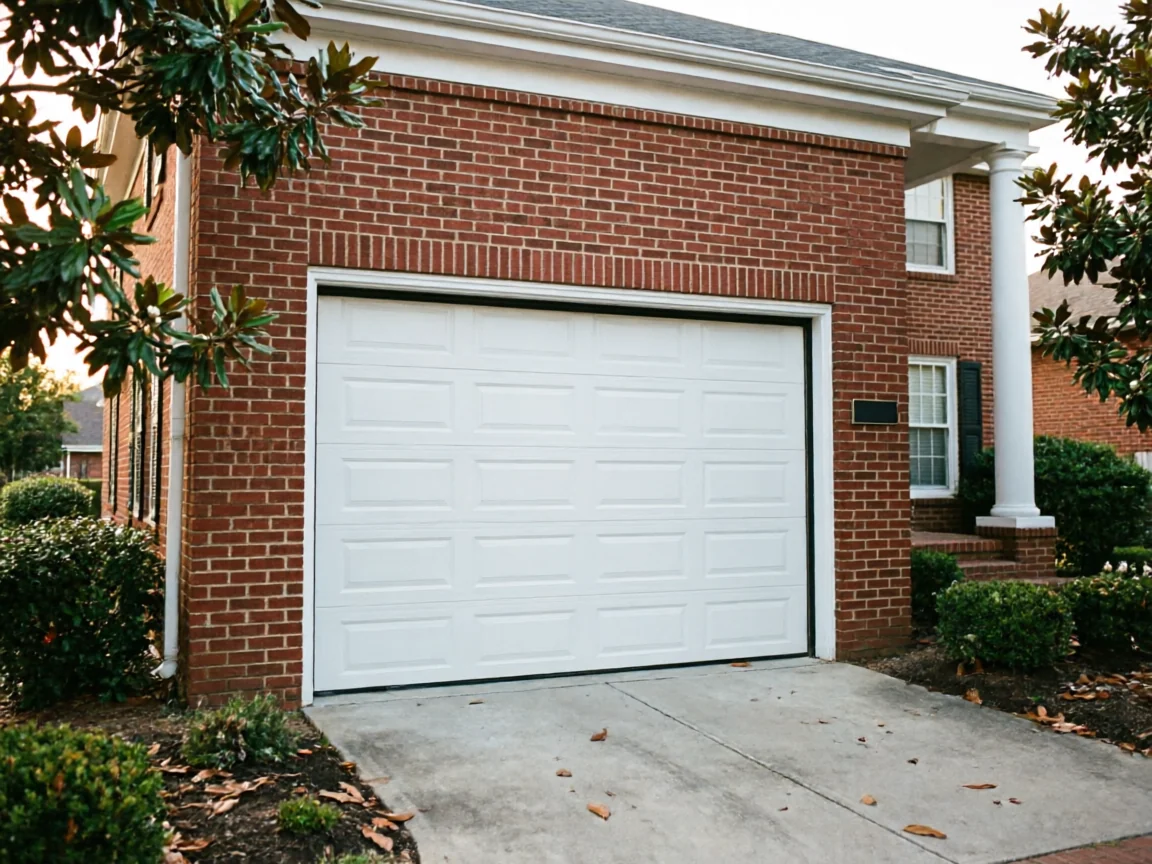
Fair Oaks has about 3,386 households, a small slice of the roughly 111,498 across the full service area, and most of the homes here are older than the service-area norm.
1970 hardware unmatched in stores
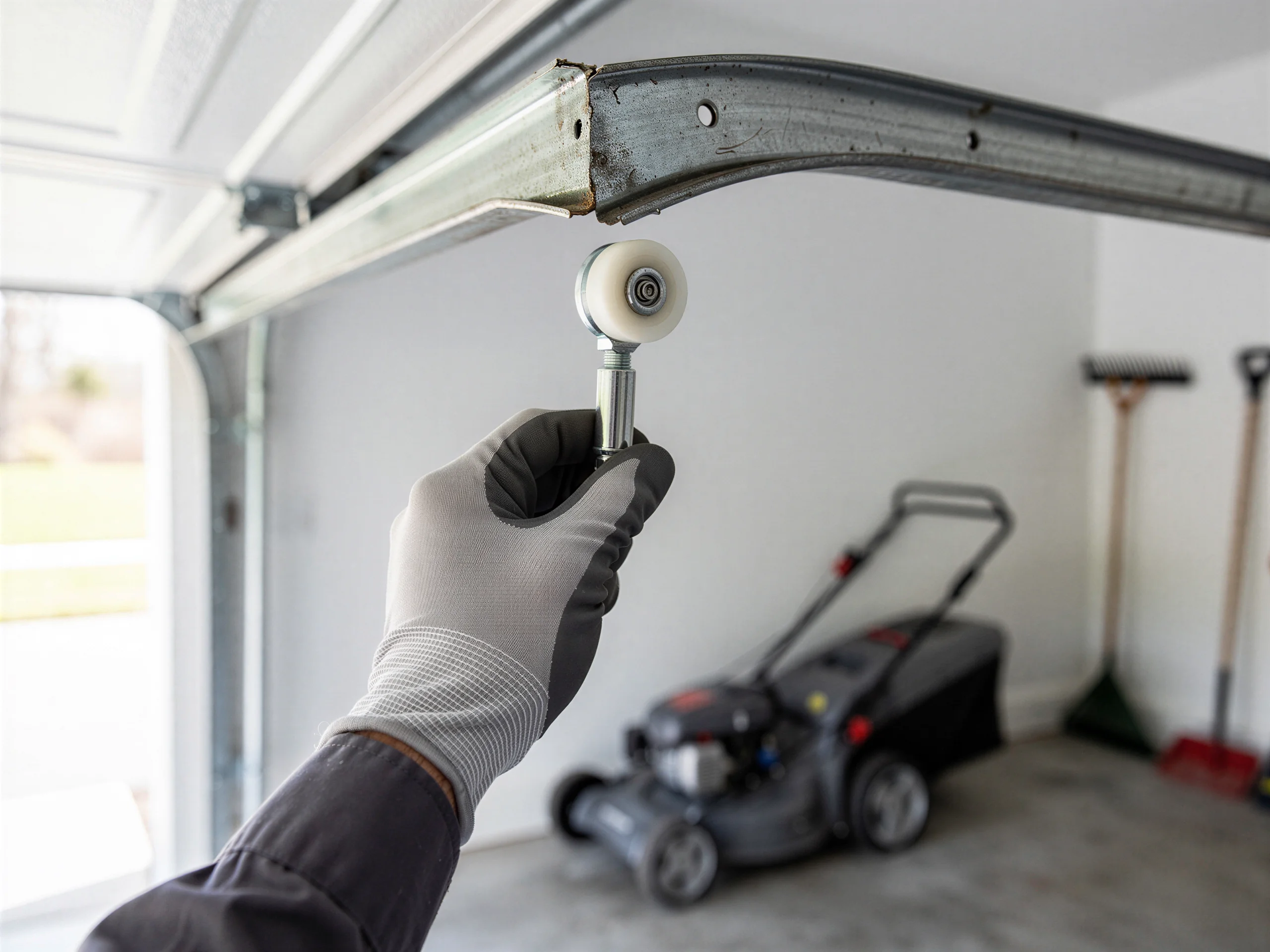
That matters for one practical reason: original hardware from a 1970 build doesn't match what's sold in stores now. Spring wire gauges changed, drum pitches changed, and the brackets that held a one-piece or early sectional door often don't carry over cleanly to a modern torsion kit.
Identify hardware generation first
A maintenance tech working here has to identify what generation of hardware is actually on the door before doing anything, rather than assuming it's the same five-year-old setup you'd find in a newer subdivision closer to Marietta's center.
Condensation on cold track
The climate here is the same cold-moderate band as the rest of the area, so you still get the winter stiffness and the condensation on cold track rails - that part doesn't change. What changes is how forgiving the hardware is when it's already decades past its original install.
Doing It Yourself
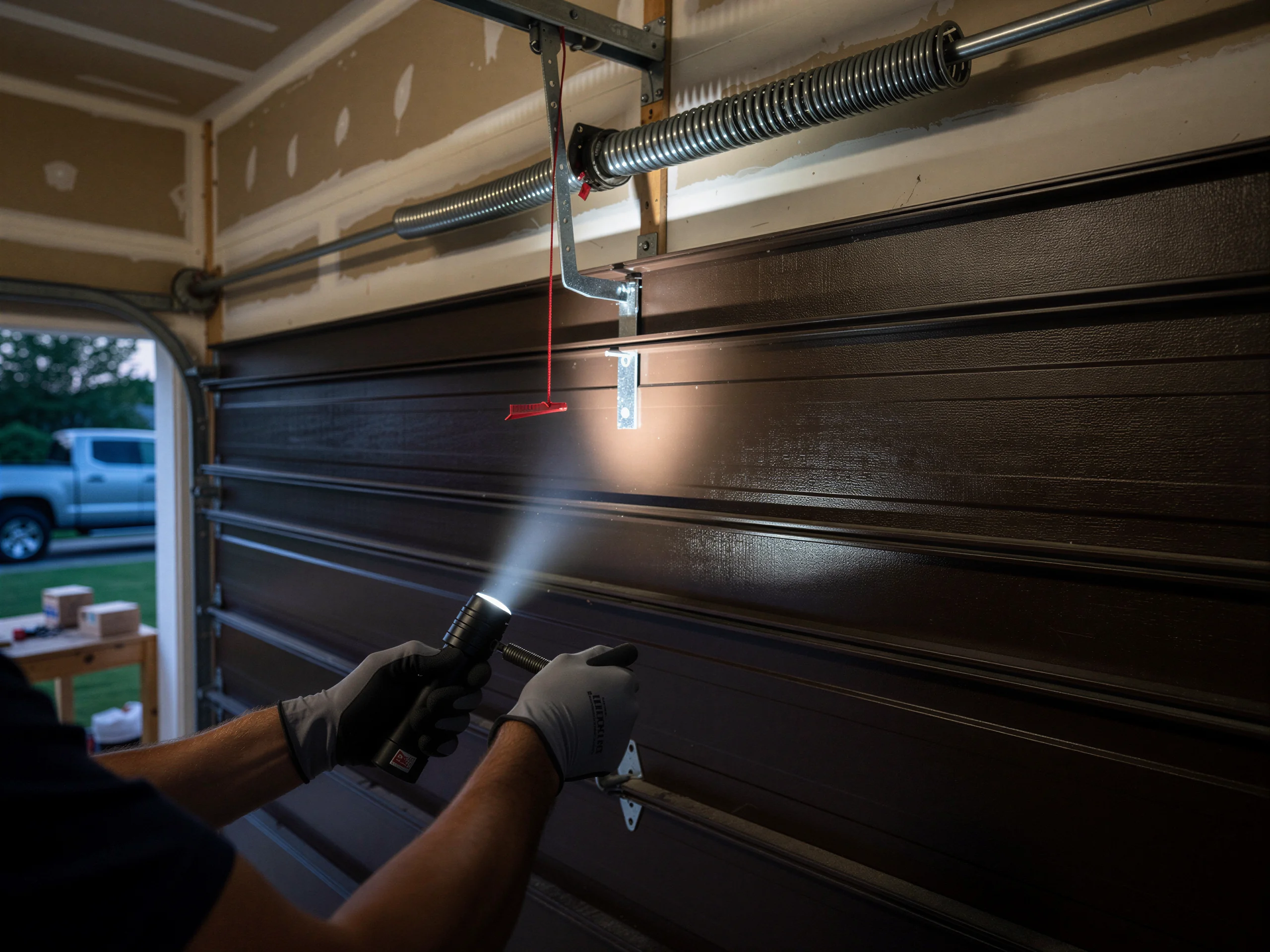
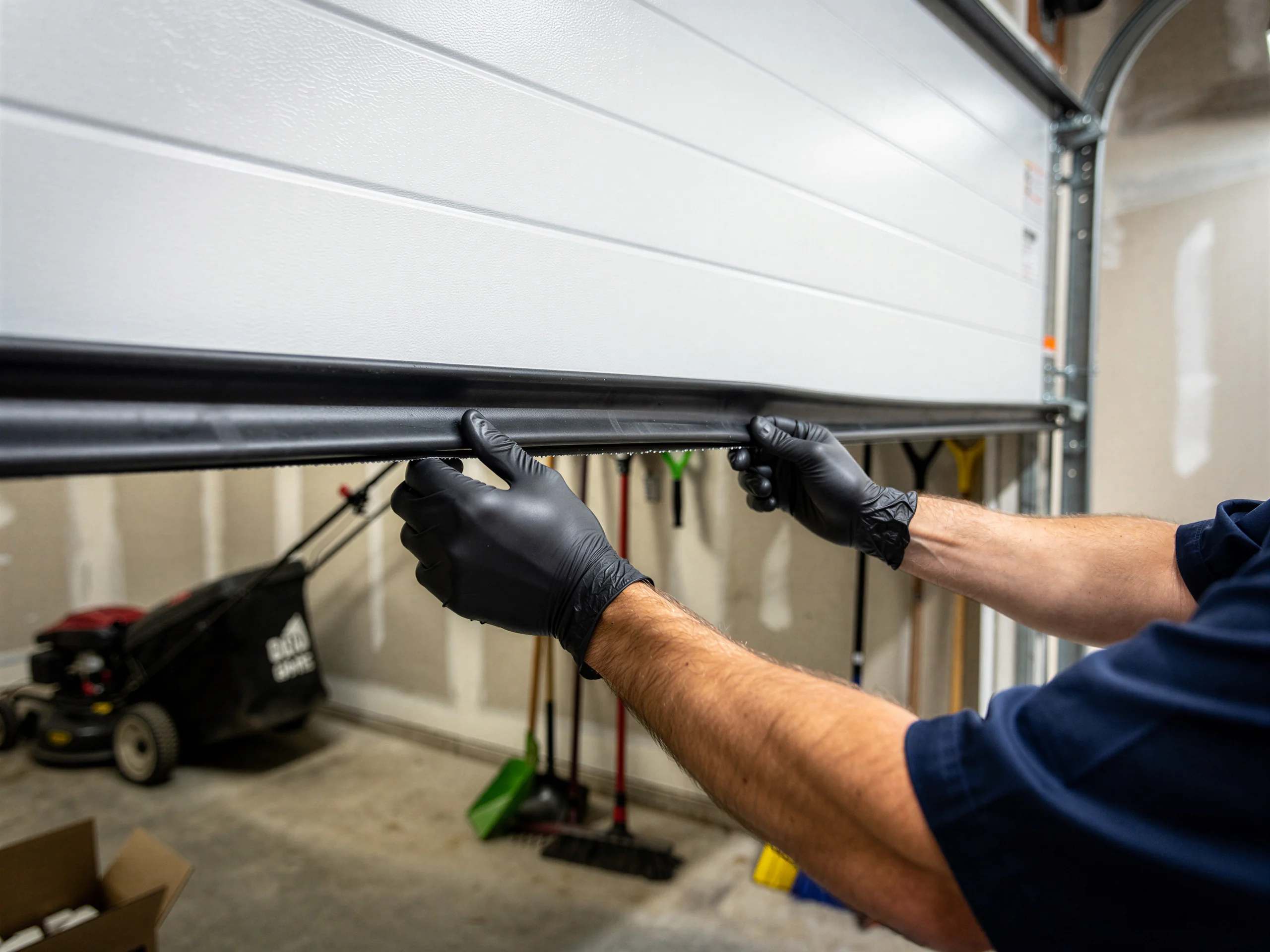
You can do some of this yourself. Vacuuming out the tracks, checking that the photo-eye sensors aren't knocked out of alignment, wiping down and lightly oiling hinges and rollers - none of that takes a technician. Where it gets harder in a house built around 1970 is the torsion spring and the cable drums, because on older installs those parts are sometimes undersized or paired with a replacement opener that wasn't matched to the original spring tension. Tightening a loose bolt on that kind of setup is fine. Guessing at spring tension or trying to re-wind a worn torsion spring is not something to learn on a door that's already running non-original parts - the margin for a mistake is smaller than it looks, and a spring under tension doesn't give you a second chance to get it right.
Why This Fails Locally
A maintenance checklist written for a newer subdivision closer to downtown Marietta doesn't hold up on a 1970 Fair Oaks house. The checklist assumes uniform, factory-matched hardware - same-era springs, same-era drums, same-era opener. Fair Oaks often doesn't have that, because fifty years gives a door time to get partially replaced, re-geared, or patched by whoever owned the house before. Median household income here runs lower too, around $61,681 against the broader area's $82,276, which in practice means more owners are maintaining a door for years longer before replacing it outright, rather than swapping it out at the first sign of wear. A generic once-over misses the mismatched parts that are the actual risk point on a door this age. Catching those takes someone looking at what's really on the track, not what a checklist assumes should be there.
Talk to a local pro
Garage door service in Marietta?
Same-day service with honest, upfront quotes.