Time on the Job
Mableton is a big enough piece of our territory that roller wear shows up as a steady pattern, not a one-off. With about 15,343 households on this side of the service area, we see the same complaint on repeat: a door that used to glide now grinds, hesitates, or jumps in the track every time it opens. Most of that traffic comes from houses built around 1985, which means the original steel rollers on these doors have had close to four decades of cold mornings and track flex to wear down. We make the 10-mile drive out from Marietta for these calls regularly enough that it's not a special trip - it's just part of the route.
Why This Fails Locally
Doors built in the mid-1980s in this area almost always shipped with 7-ball steel rollers riding directly in a steel track, no nylon bushing, no sealed bearing.
Steel-on-steel track grooves
That setup was standard for the era and it's fine for a while, but steel-on-steel wears a groove into the track over years of use.
Cold cycles stiffen grease
Add the moderate cold swings this part of Georgia gets - enough freeze-thaw cycling to stiffen grease and tighten tolerances - and the roller stems start to flat-spot or bind inside the track. It's not a defect. It's just what happens to hardware from that build period after this many winters.
What You Are Seeing
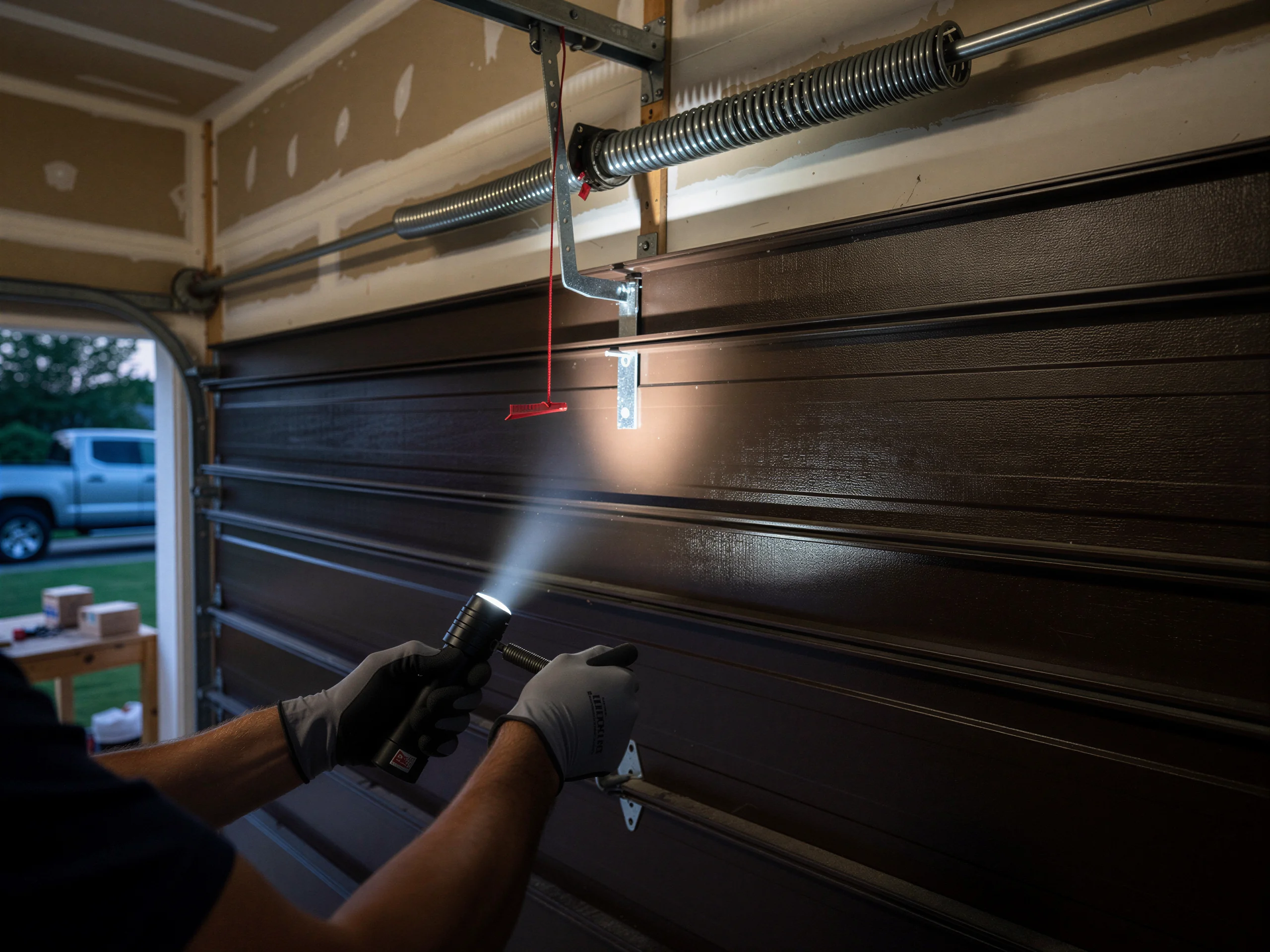
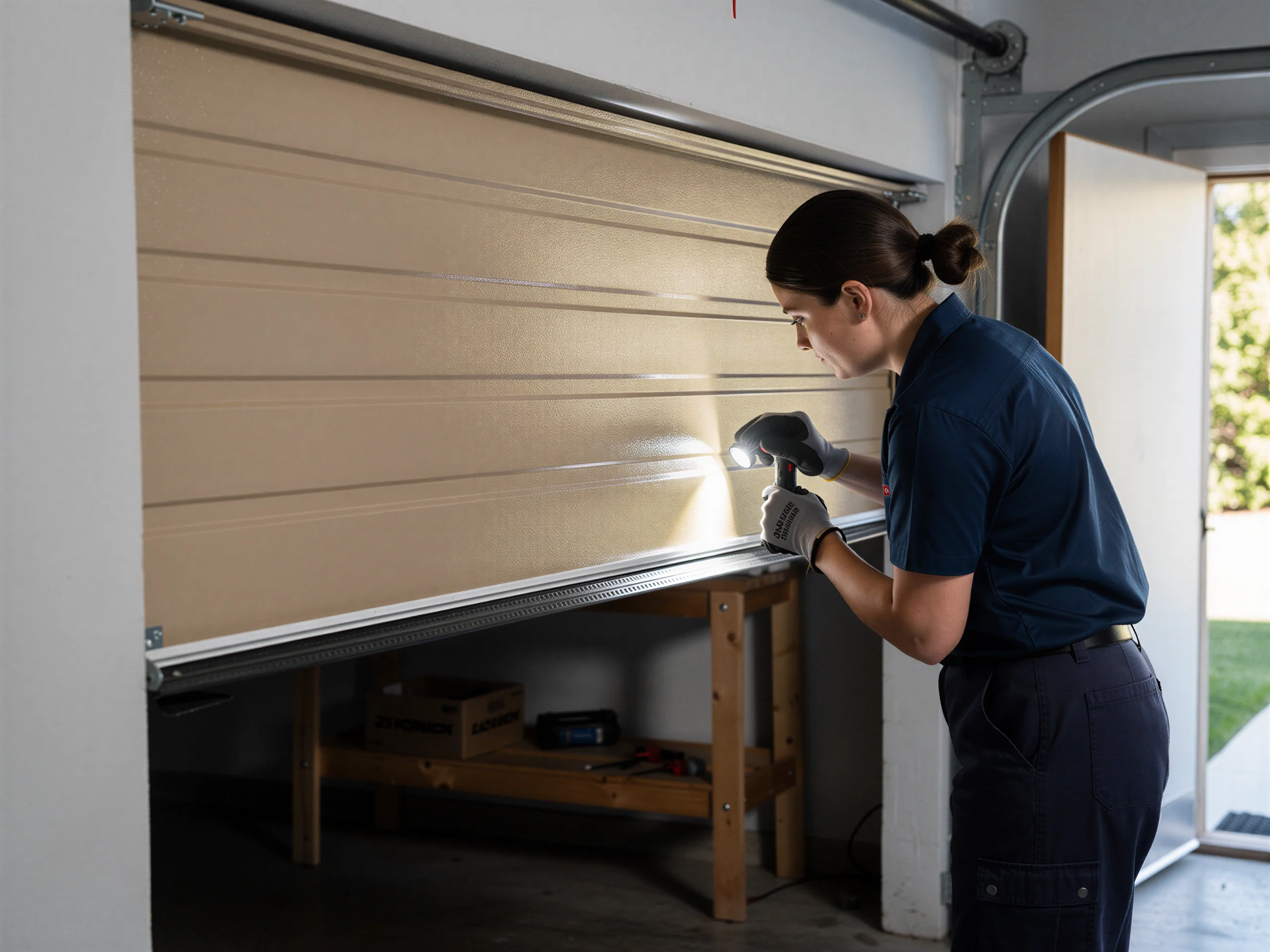
The door catches on the way up, usually at the same spot every time. You hear a grinding or popping sound as it passes through the curved section of track where the roller takes the most side load. Sometimes a roller has actually come loose from its bracket and is dragging rather than rolling. On older steel-roller setups like the ones common in 1980s-built Mableton homes, you'll also see wear marks or rust streaks inside the track itself - a sign the roller has been scraping metal-on-metal rather than turning freely for a while.
Getting It Booked In
We don't run a branch in Mableton - every job here is a truck coming out from Marietta, about 10 miles in.
Planned route, not walk-over
That doesn't change how the job gets scheduled; it just means we plan the route rather than walking over from around the corner.
Sound and track location
Tell us what you're hearing and where in the track it happens, and we'll bring the right roller stock for a door of that era rather than guessing on-site.
What the Fix Involves
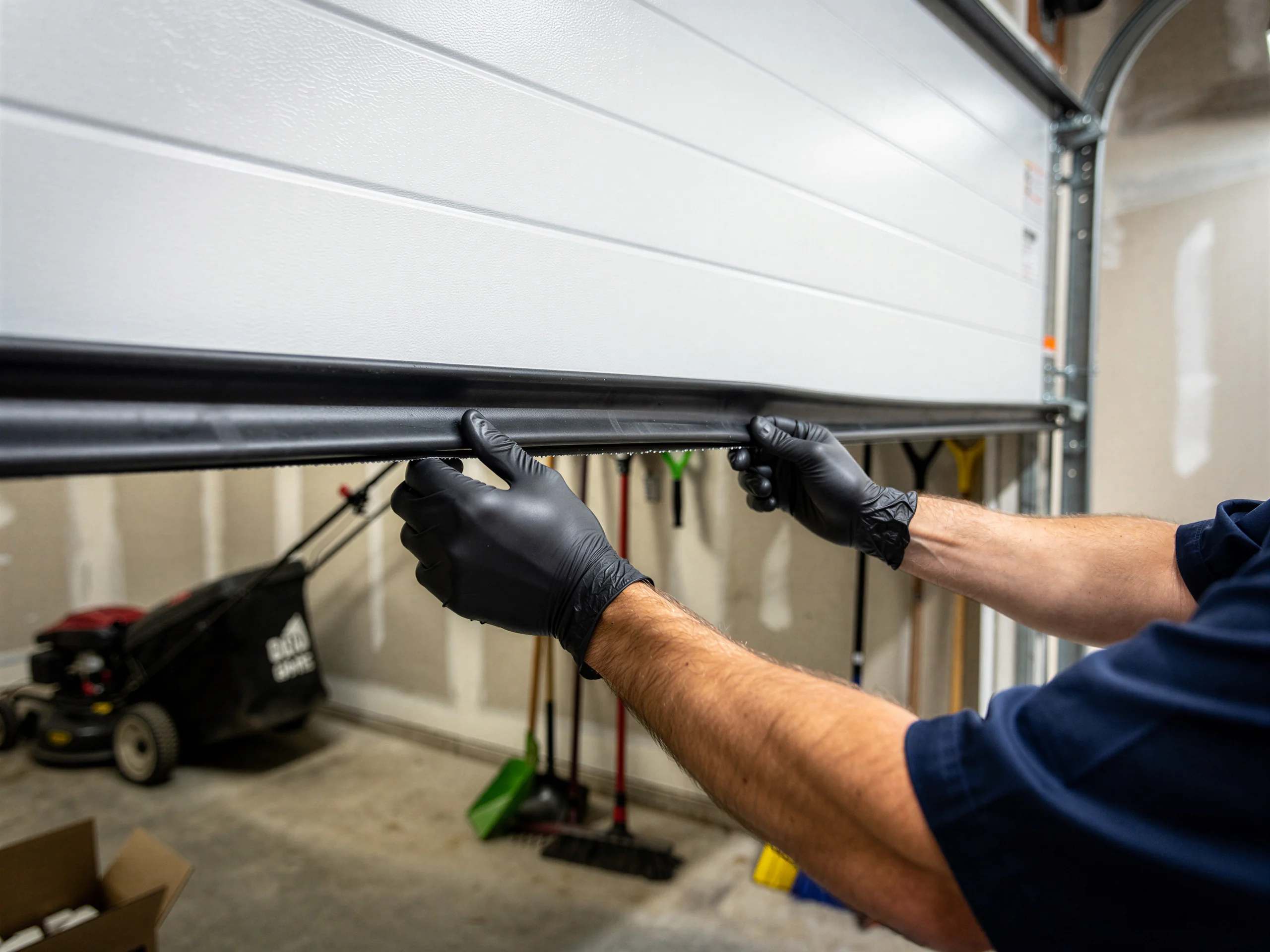
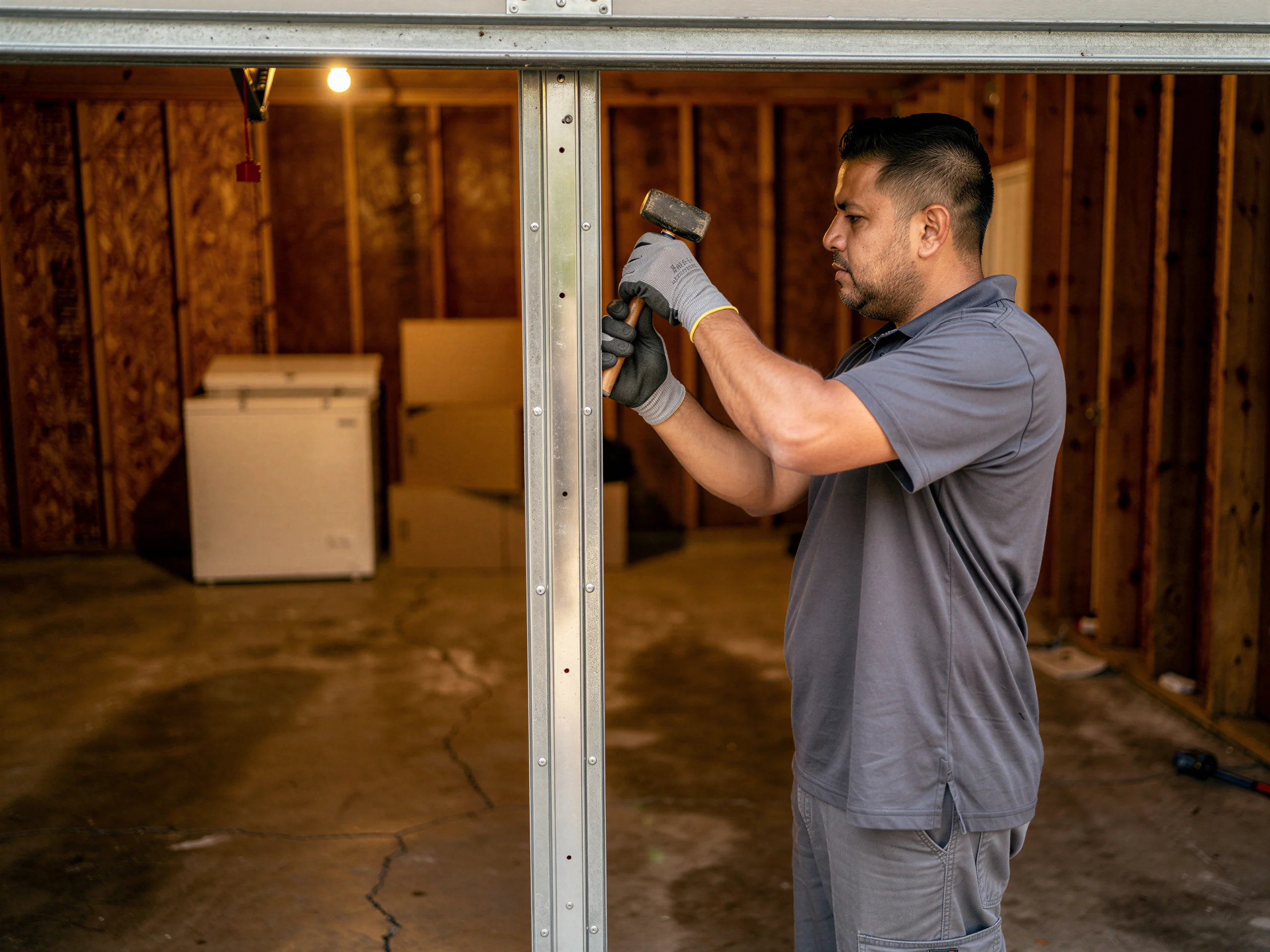
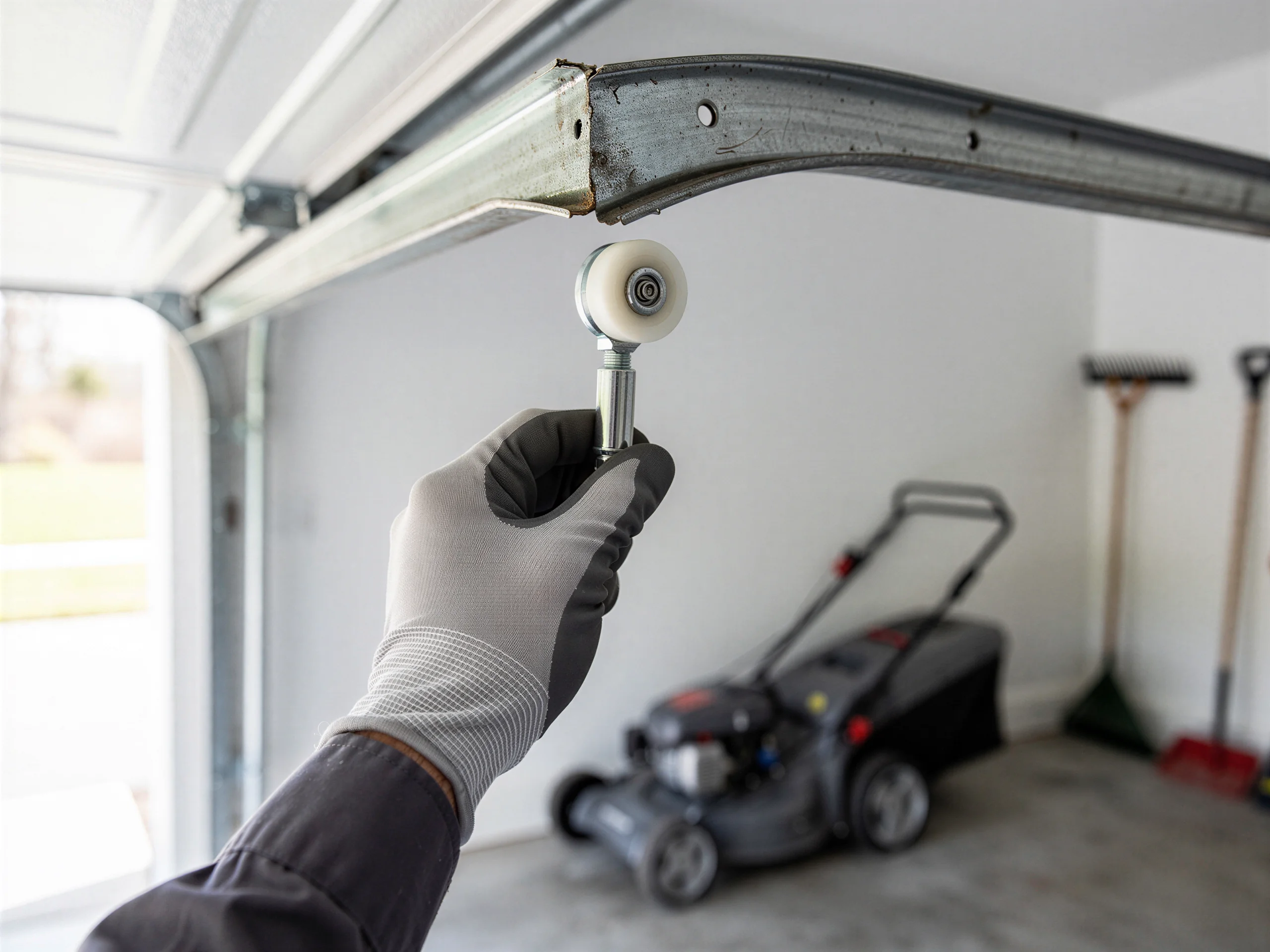
On a door from the mid-1980s we're usually pulling the full set of rollers rather than swapping one or two, since if one stem has worn down the rest are close behind on the same schedule. We replace steel rollers with nylon rollers on sealed bearings, which run quieter and don't groove the track the way bare steel does over time. If the track itself has worn unevenly from years of a bad roller dragging through it, we'll check for that too - a new roller in a damaged track just wears out again faster. One limitation: if the track is bent or badly gouged, roller replacement alone won't fix the noise, and we'll tell you that rather than sell you rollers that won't solve it.
What It Costs
We don't post a flat number here because the job varies with roller count, whether the track needs attention, and whether it's a single or double door. What we can tell you is that a full roller set swap is a smaller job than most people expect once they've been living with the grinding - it's not in the same category as a spring or opener repair. We'll give you the number for your door before any work starts, based on what we find during the call.
Talk to a local pro
Garage door service in Marietta?
Same-day service with honest, upfront quotes.