Time on the Job
Druid Hills sits at the older end of what we see across this service area. The broader territory runs 1964 through 2007 with a median around 1984, but Druid Hills itself centers on 1964 - the start of that range, not the middle.
Sixty years of wear
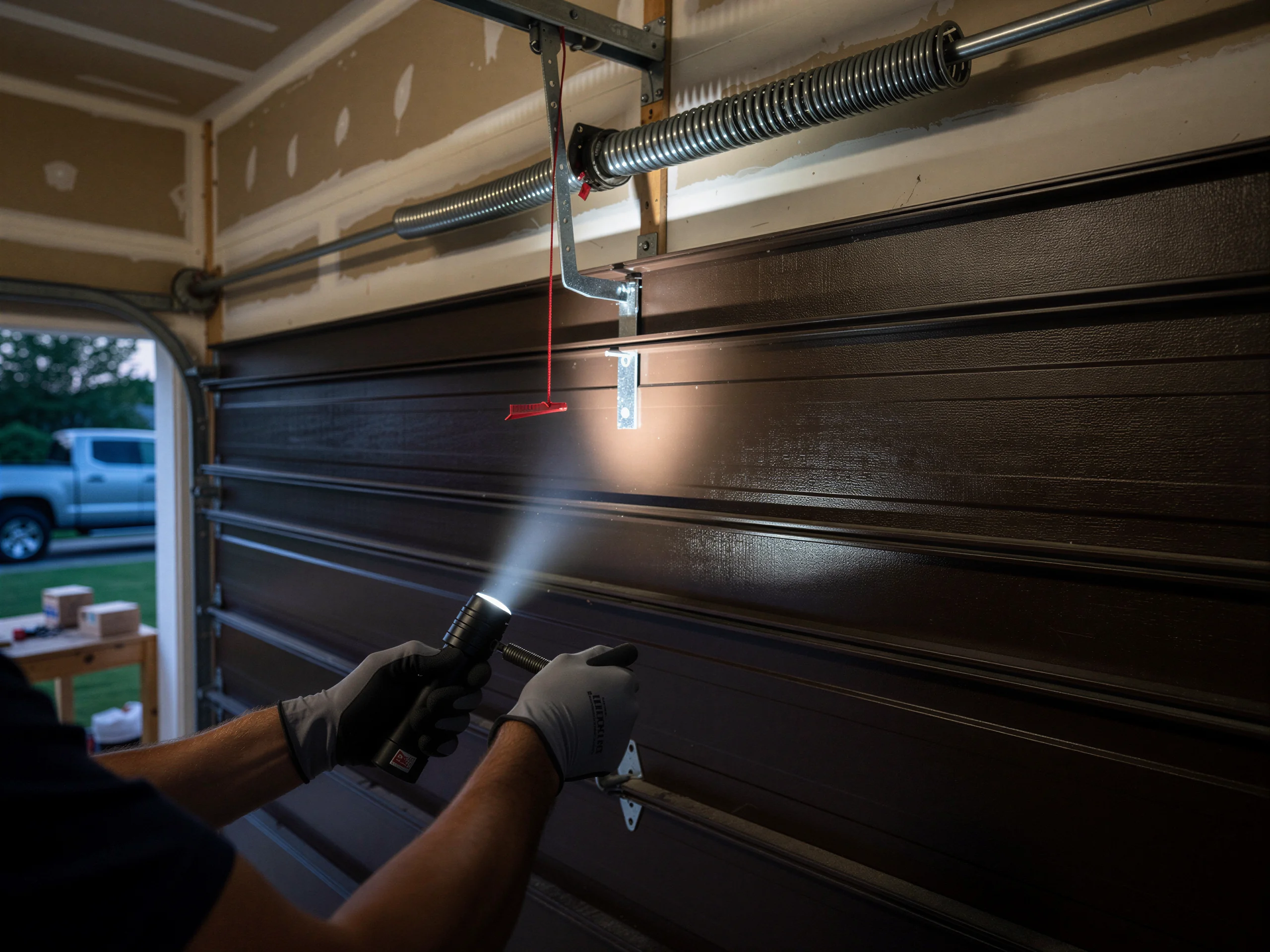
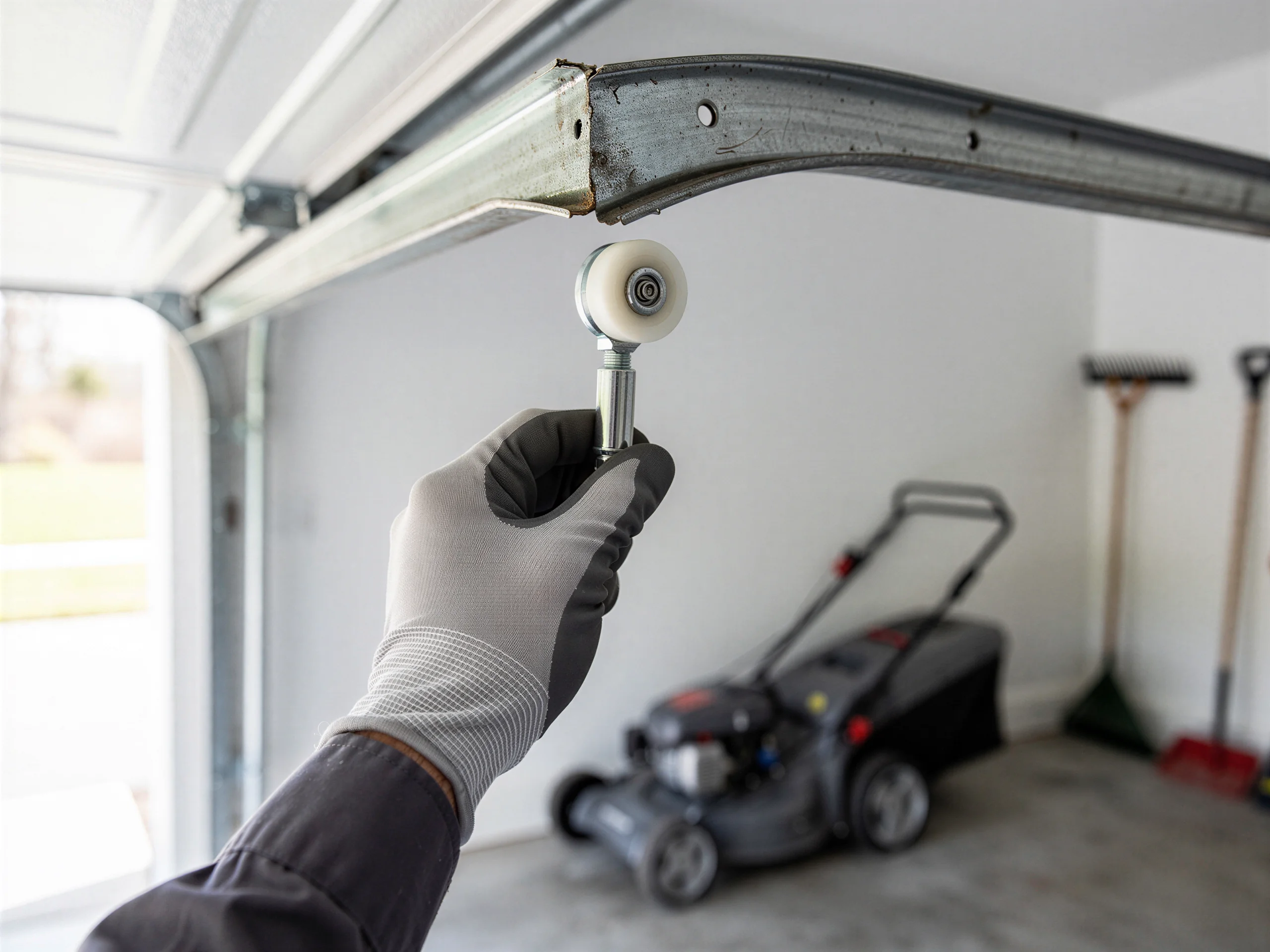
That matters on a service call. A door installed in 1964 has had sixty years to collect rust on its hinges, flat spots on its rollers, and a spring that's been swapped at least once, maybe twice, by whoever owned the house before the current owner.
Original track and header brackets
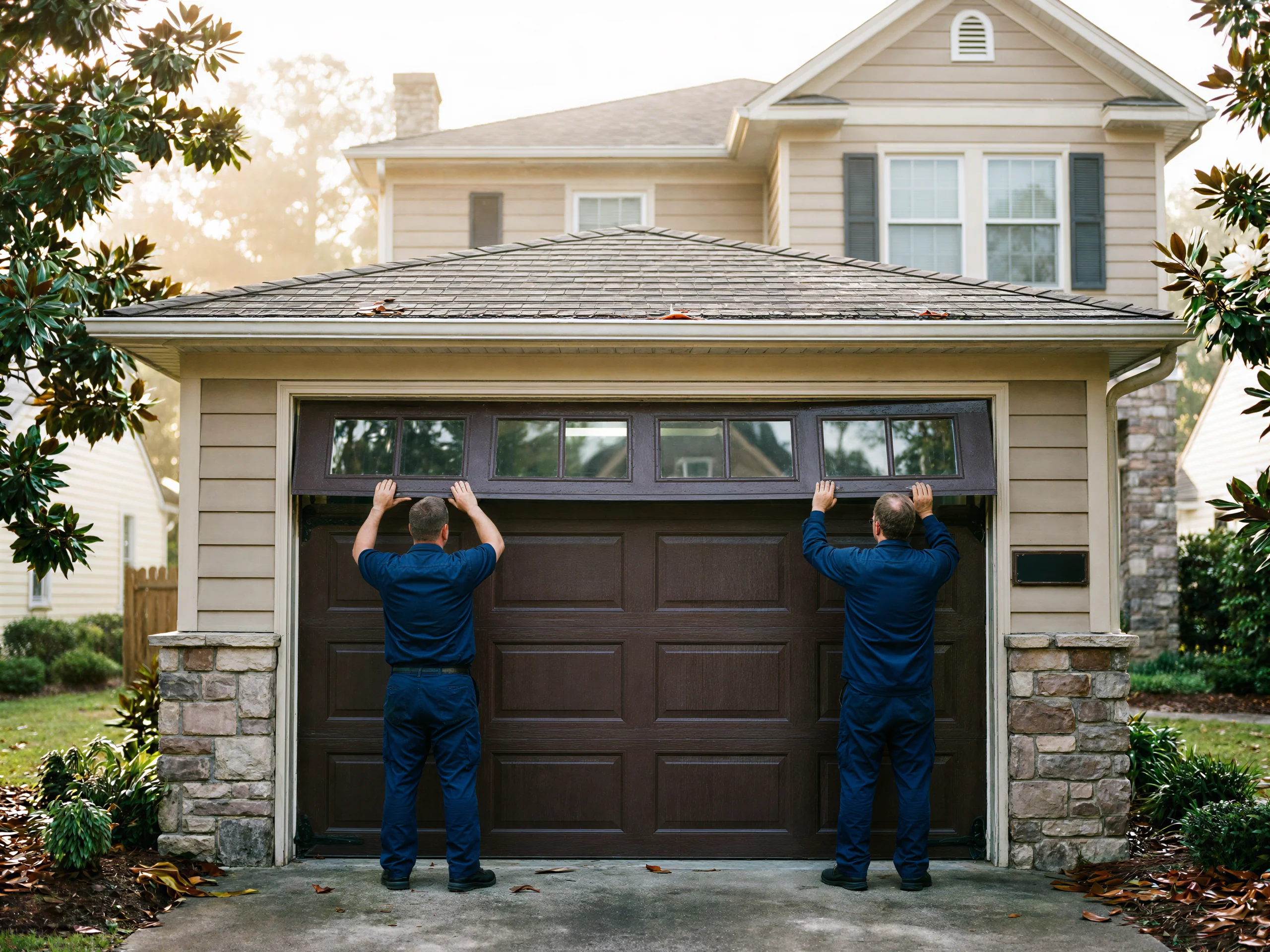
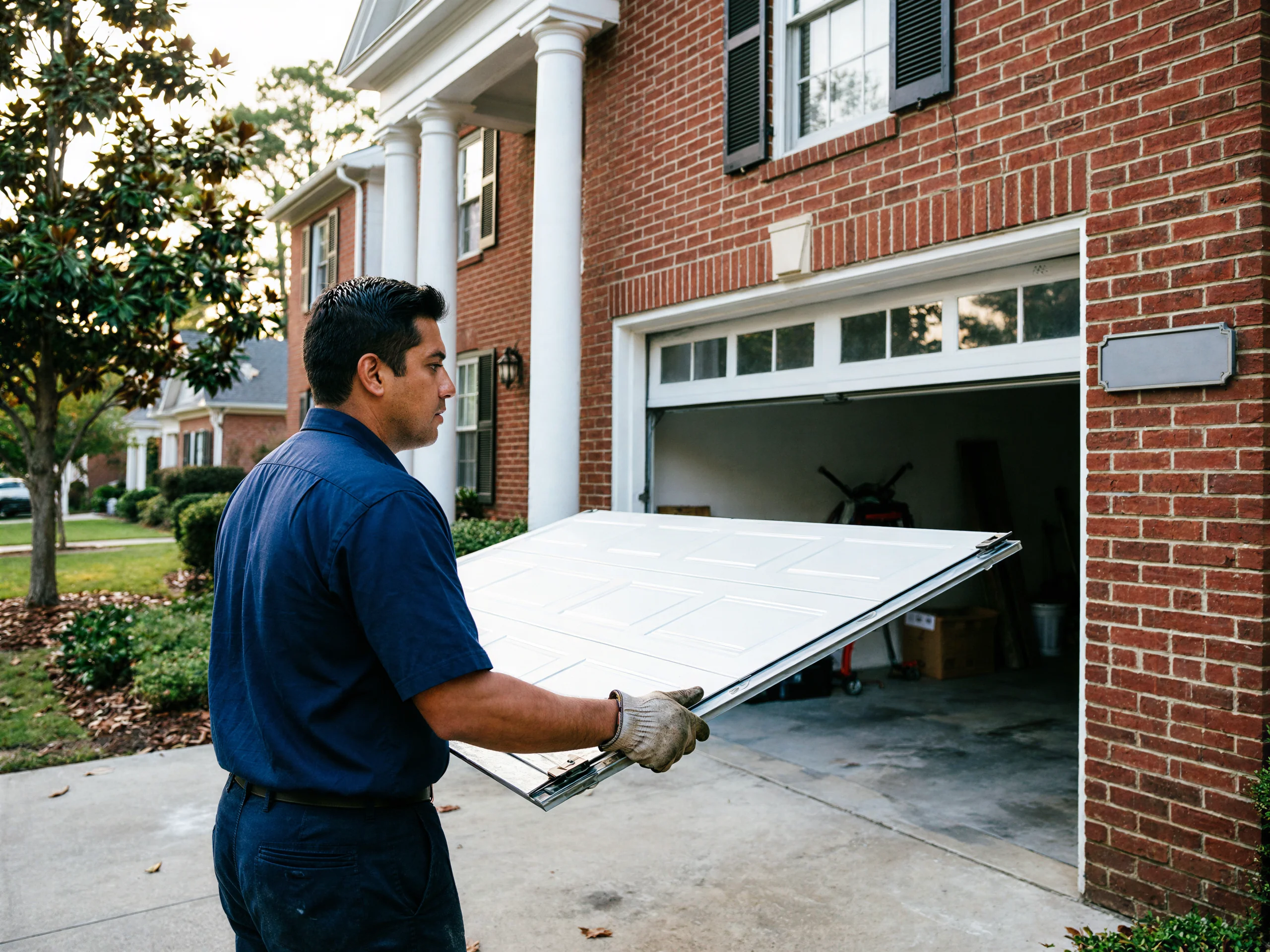
What's often still original is the track and the header bracket - parts nobody thinks to replace until they bend or pull loose. We don't stock a truck based on guesswork; a 1964 door tells us what to expect before we lift the panel.
Quiet decades-long failure
The climate here runs cold-moderate, so hardware doesn't fight the kind of heat-cycling that cracks seals in the Sun Belt, but it still rusts, still stiffens, and still fails quietly over decades rather than all at once. That's the job in Druid Hills: not glamorous emergency work, mostly, but diagnosing what's held on this long and deciding what's worth saving.
What It Costs
We don't have a Druid Hills-specific price list, and we won't invent one. What we can say: this is a smaller pocket than most of the territory, around 3,579 households, with a median income near $140,466 - well above the $82,276 median for the service area as a whole. In practice that changes the conversation less than you'd think. A cracked torsion spring costs what a cracked torsion spring costs regardless of the house around it. Where income does show up is in how often a homeowner here chooses full opener replacement over patching a 20-year-old unit, or asks for upgraded rollers instead of the stock steel ones. We'll quote the job in front of you, not off a zip code. One honest limit: we don't carry every part for every era on the truck, and a door this old sometimes needs us to order hardware that isn't a same-day item. We'll tell you that on the spot, not after we've started.
What You Are Seeing
If your door is sticking, dropping unevenly, or making a grinding noise on the way up, the most common cause on a house built around 1964 is a torsion spring or cable that's simply outlived its wind count - these parts don't last sixty years, so something in that system has almost certainly been replaced at least once, even if the track and drum haven't.
Sensor alignment, not age
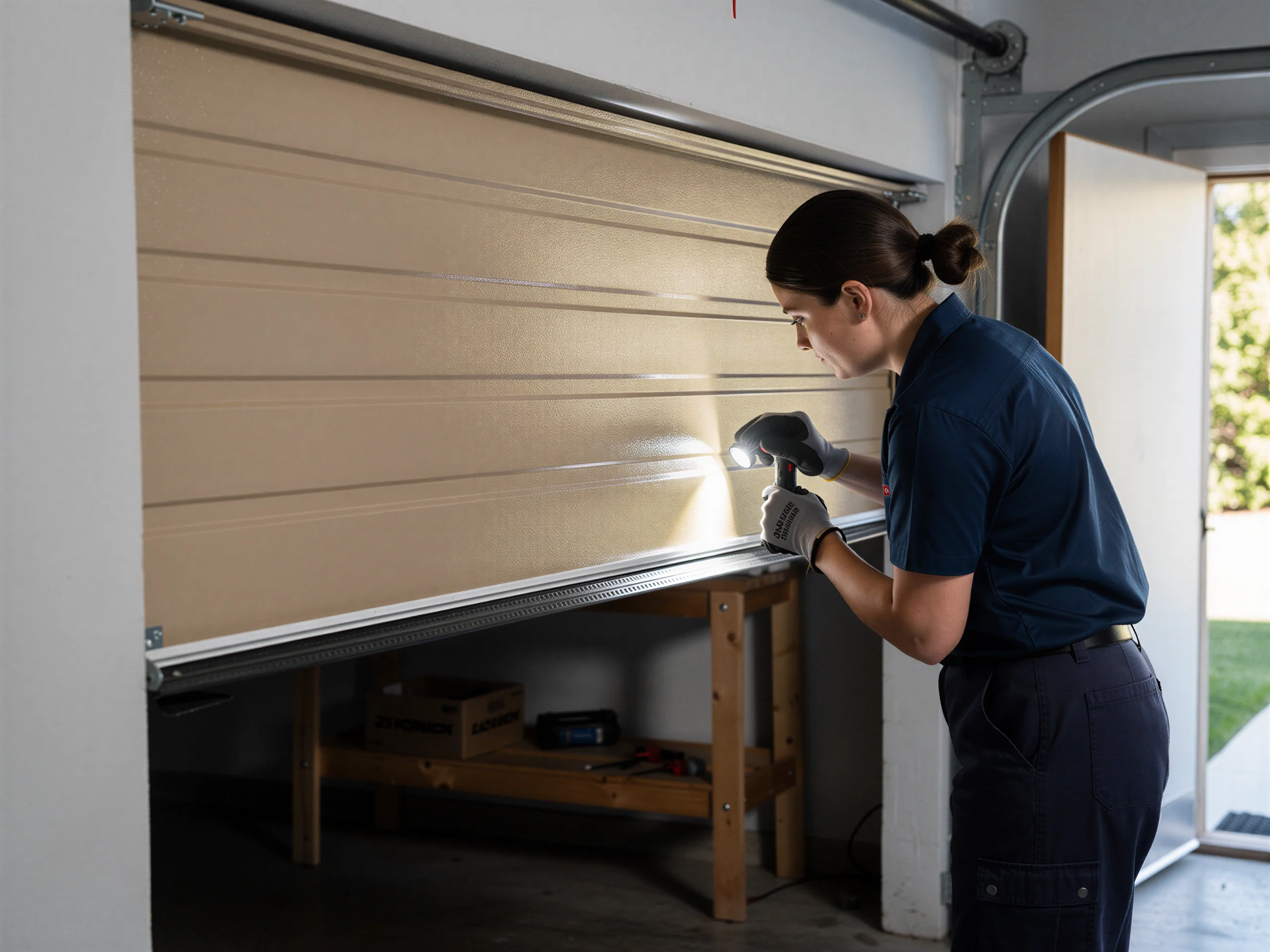
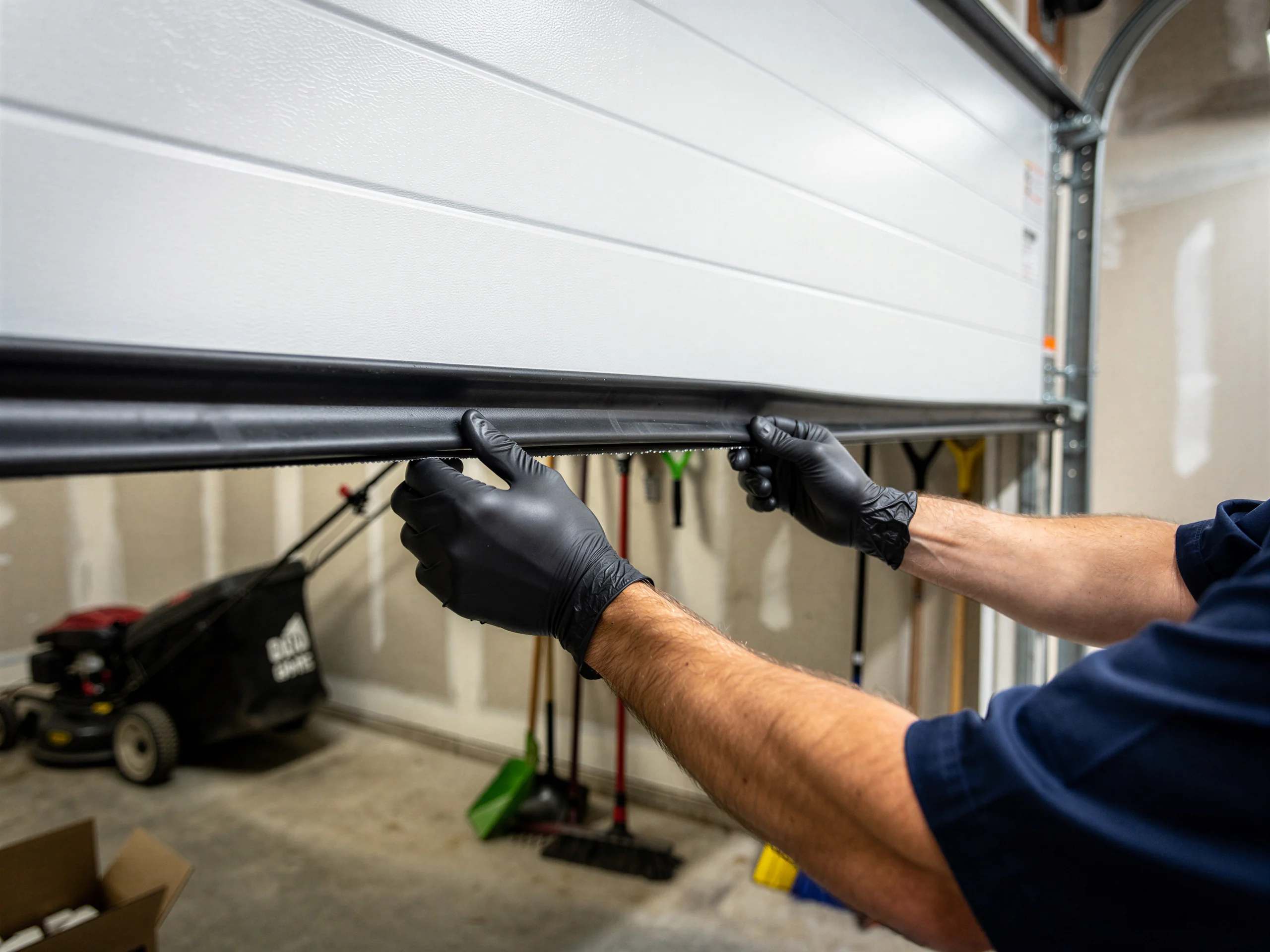
A door that reverses or won't close all the way is more often a sensor alignment issue, which is unrelated to age. Panels that have gone soft or rippled at the bottom are a sign of moisture getting into original wood-composite doors that were never swapped for steel - common on homes from this era that kept their first door.
Gathering call details first
We travel from Marietta, 17 miles out to Druid Hills, so we're not doing walk-up diagnostics; we ask what you're seeing on the call so we bring the right spring size and cable length the first time instead of a second trip.
Stocked Parts
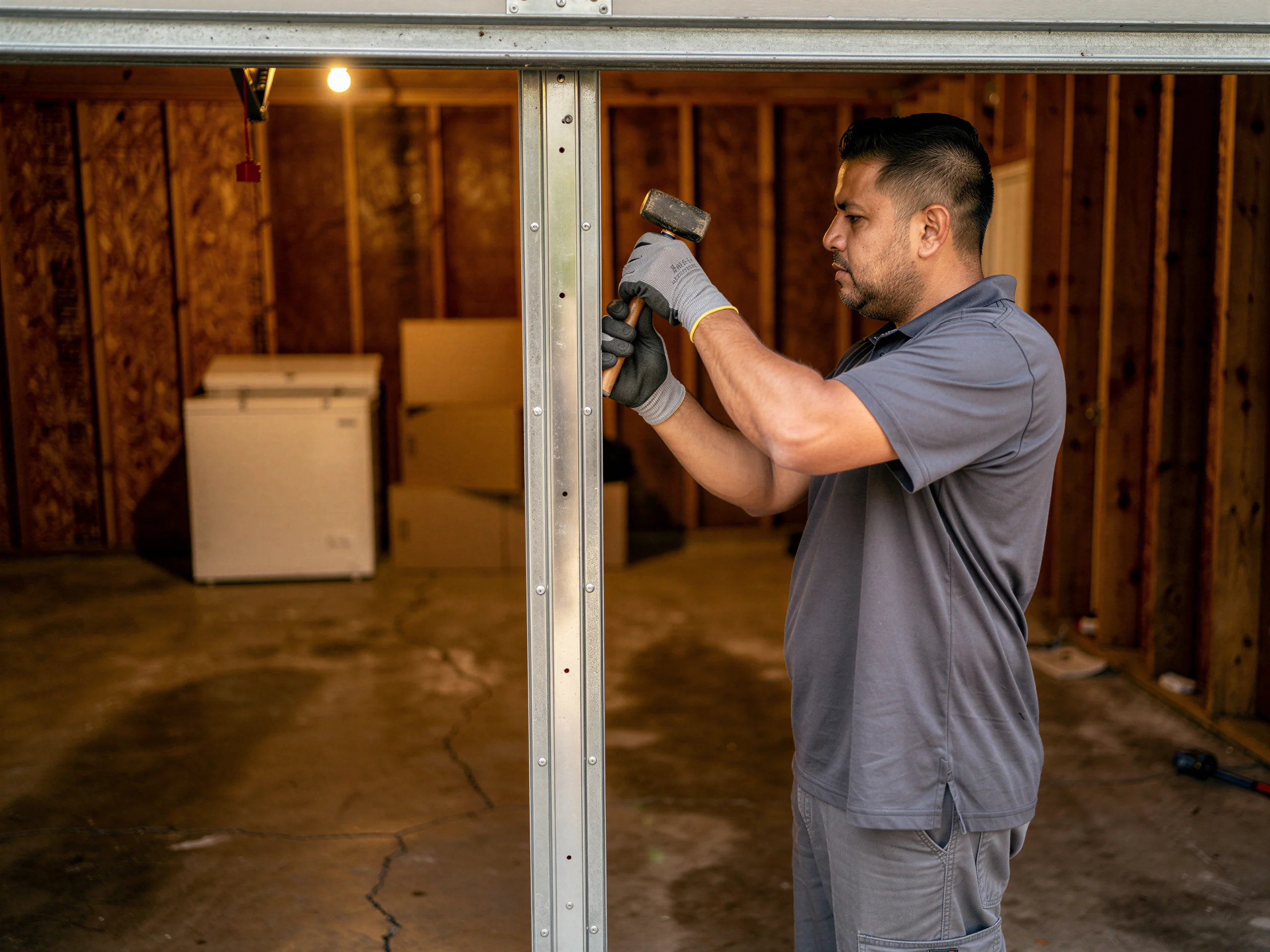
We keep common spring sizes, standard rollers, and cable on the truck because most calls in this age bracket need one of those three. What we don't carry as standard stock: the specific drums, hinges, and track brackets that matched doors built right around 1964, since manufacturers changed these specs multiple times before settling on today's standard sizes. If your door still has its original header bracket or an older drum style, we may need to source that part before we finish the job rather than complete it in one visit - that's the honest trade-off of working on hardware this old. We'd rather tell you that upfront than force a part that doesn't fit. For full-door replacement quotes and broader service details, see our Marietta service page; for everything specific to this address, the Druid Hills service page covers what we do here.
Talk to a local pro
Garage door service in Marietta?
Same-day service with honest, upfront quotes.