Time on the Job
Druid Hills is a small pocket inside the wider service area - about 3,579 households, compared with the 111,498 across the whole territory we cover out of Marietta.
Slow-building off-track faults
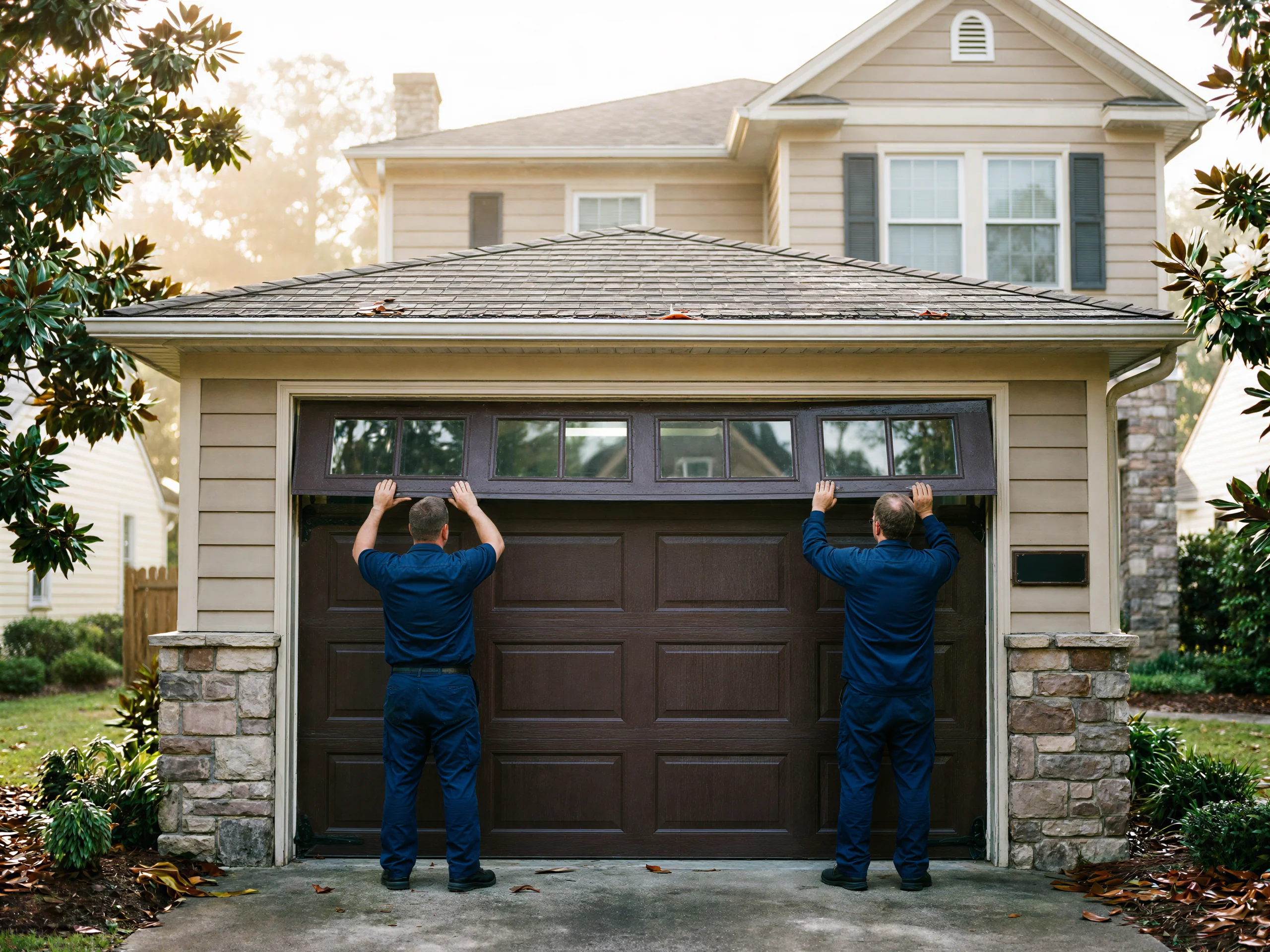
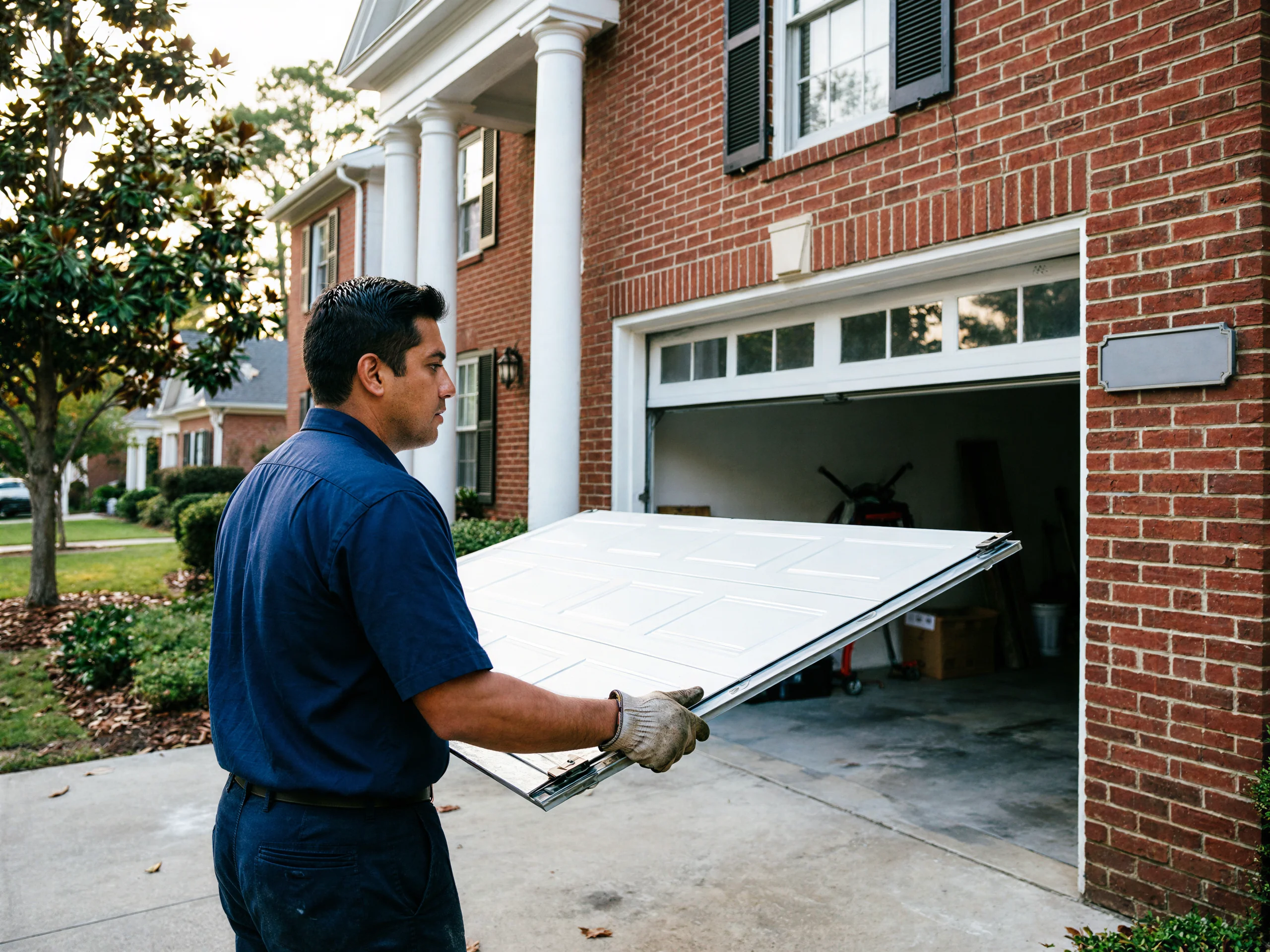
That matters for off-track calls specifically: it's not a neighborhood where we're rolling a truck past every day, so the work here tends to be the kind that's been building for a while rather than a door that popped off its track this morning.
Seventeen-mile trip, no promise
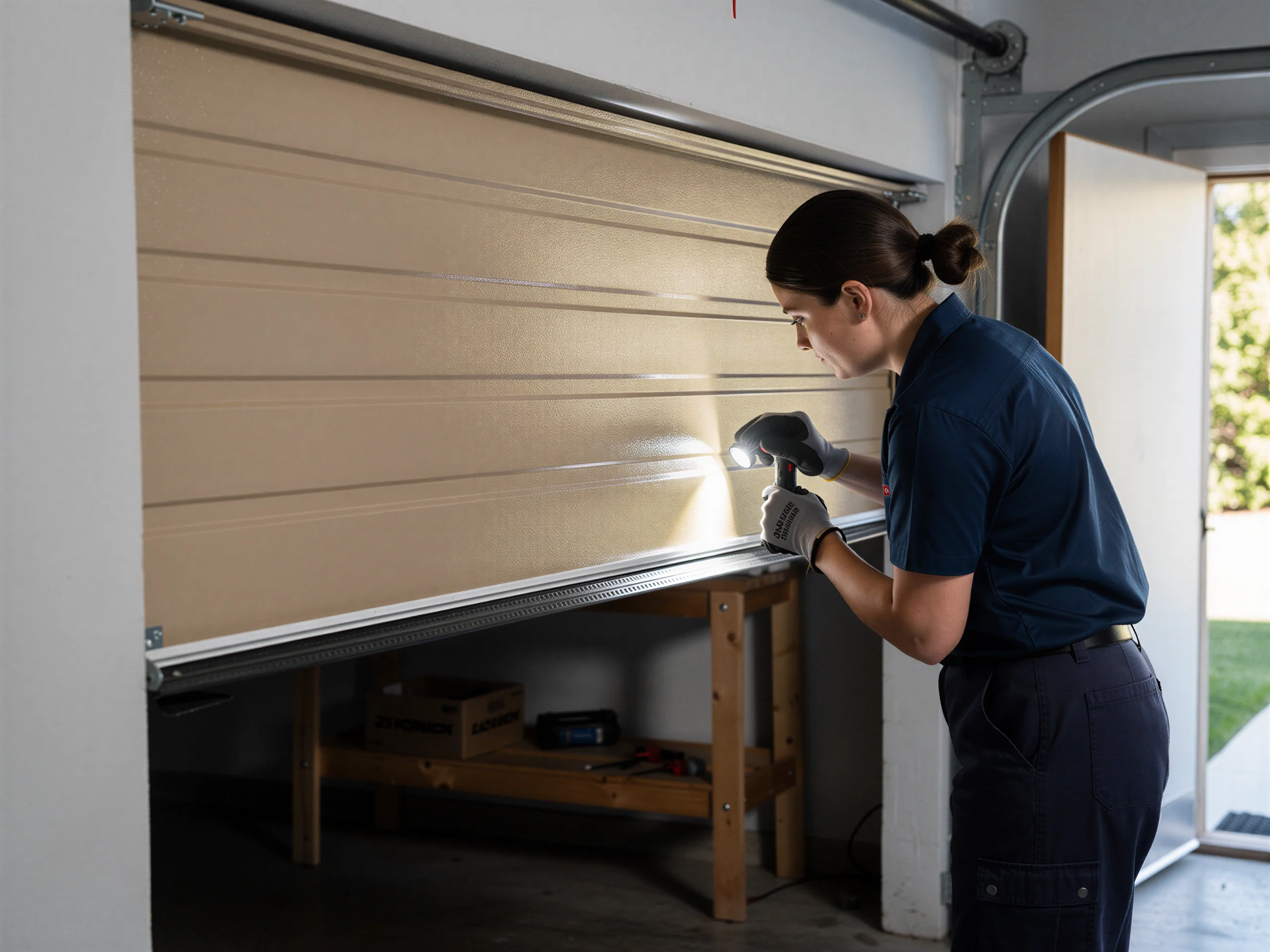
We come out from Marietta, roughly 17 miles, and we don't promise a same-day window we can't back up. What we can tell you is that when a door comes off track in a smaller, older pocket like this one, it's rarely a one-roller fix - usually more has shifted than the homeowner first notices.
No local stock point
Because call volume here is lower than in the denser parts of the territory, we don't keep a standing local stock point in Druid Hills. Everything rides on the truck from Marietta, which is worth knowing before you call expecting a tech to already be around the corner.
What It Costs
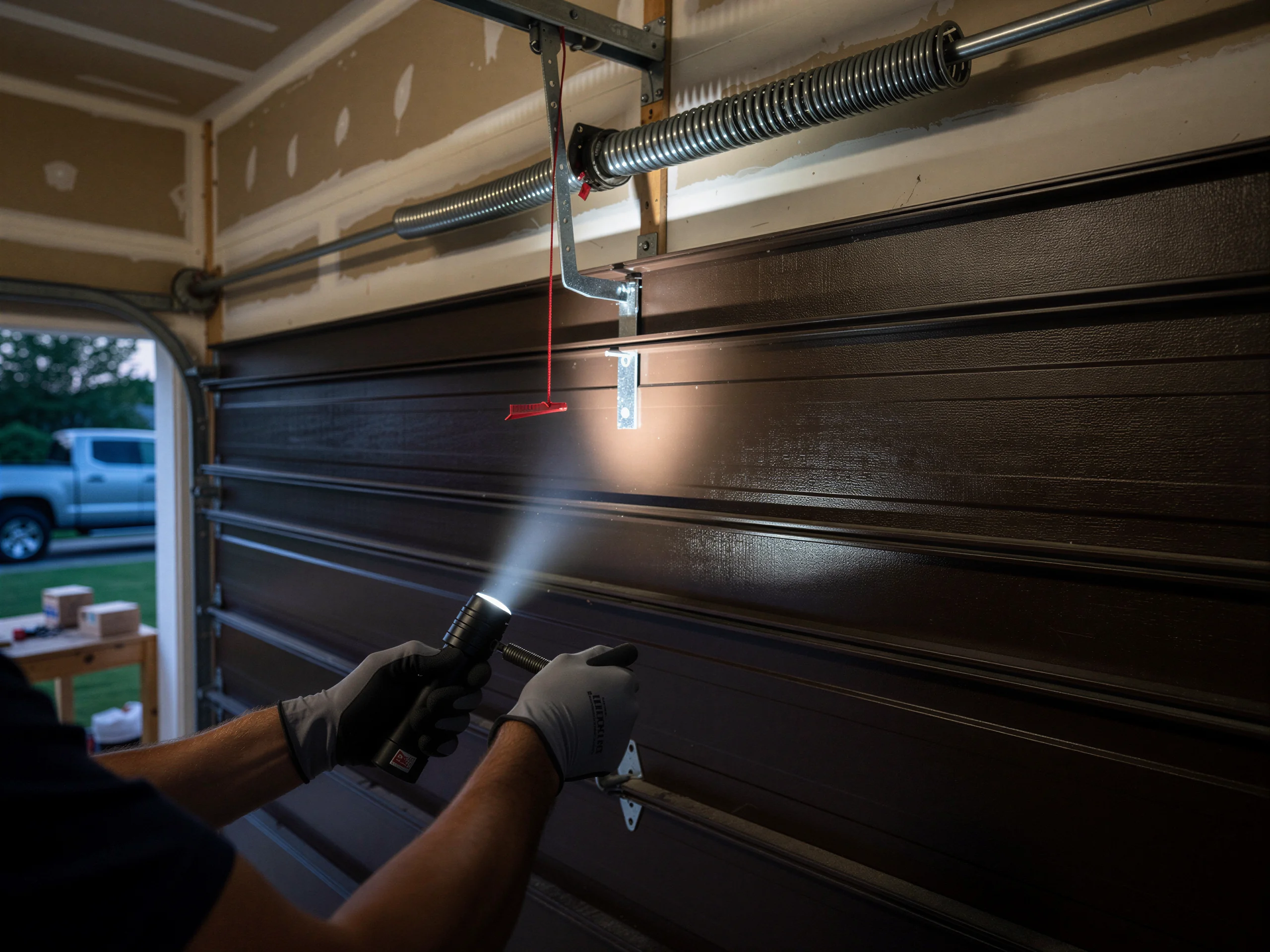
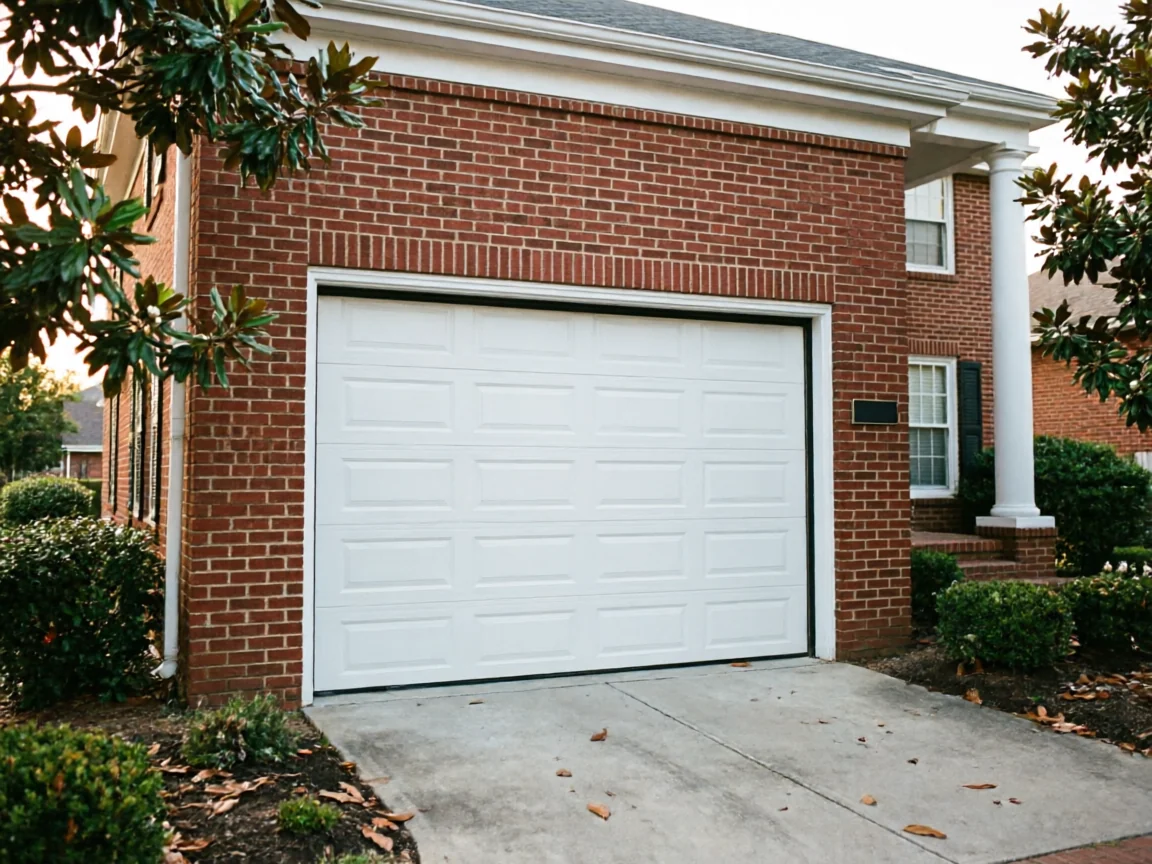
We don't have a Druid Hills-specific price list to quote here, and we're not going to make one up. What drives the cost on an off-track repair is usually the same handful of things everywhere: whether it's one track bent or two, whether a cable jumped the drum at the same time, and whether the rollers and hinges are original to a door that's been hanging since the 1960s or 70s stock common in this area. Older steel doors often have thinner gauge panels than what's sold today, and that changes how much force a bent track puts on the rest of the hardware.
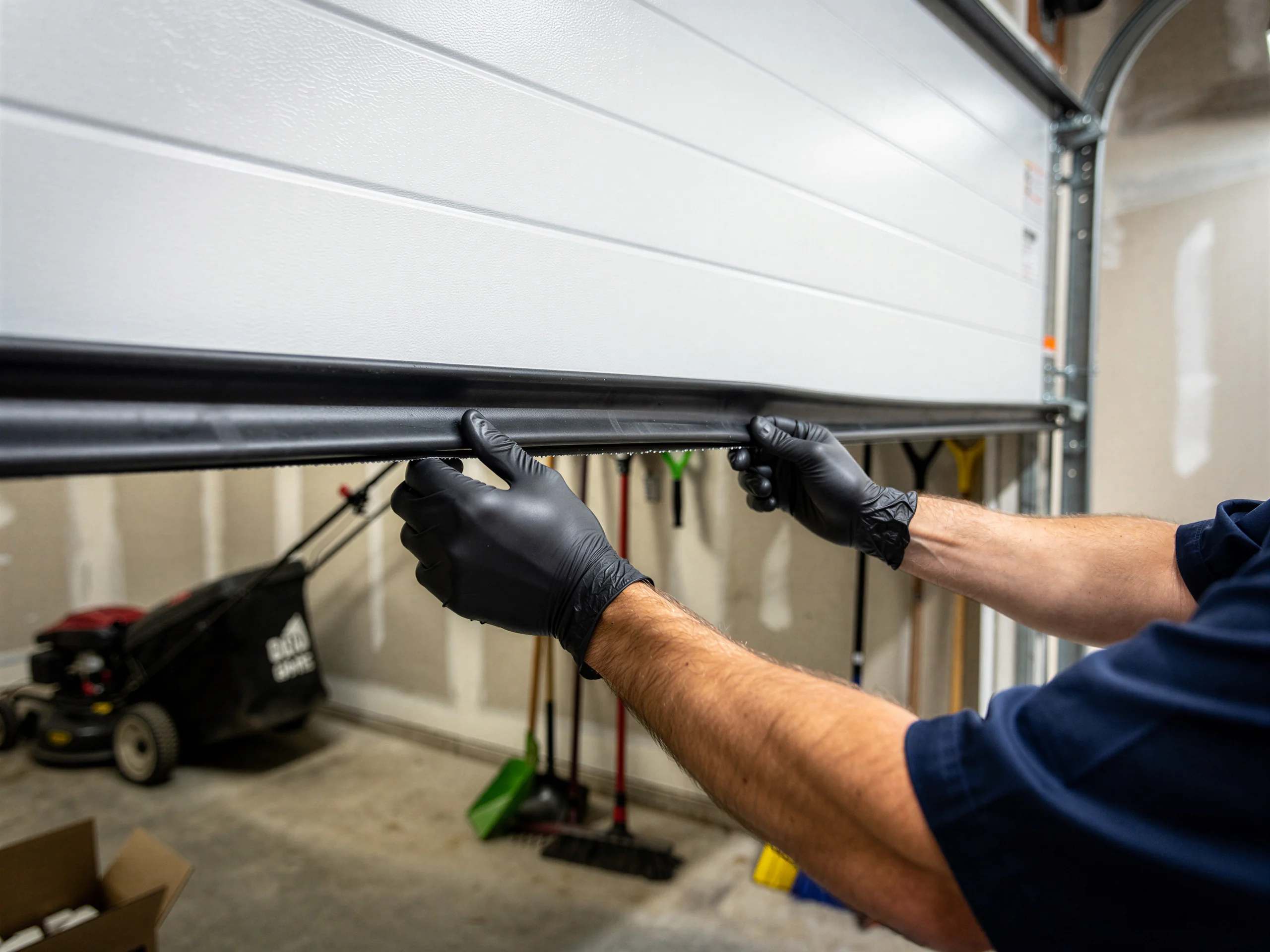
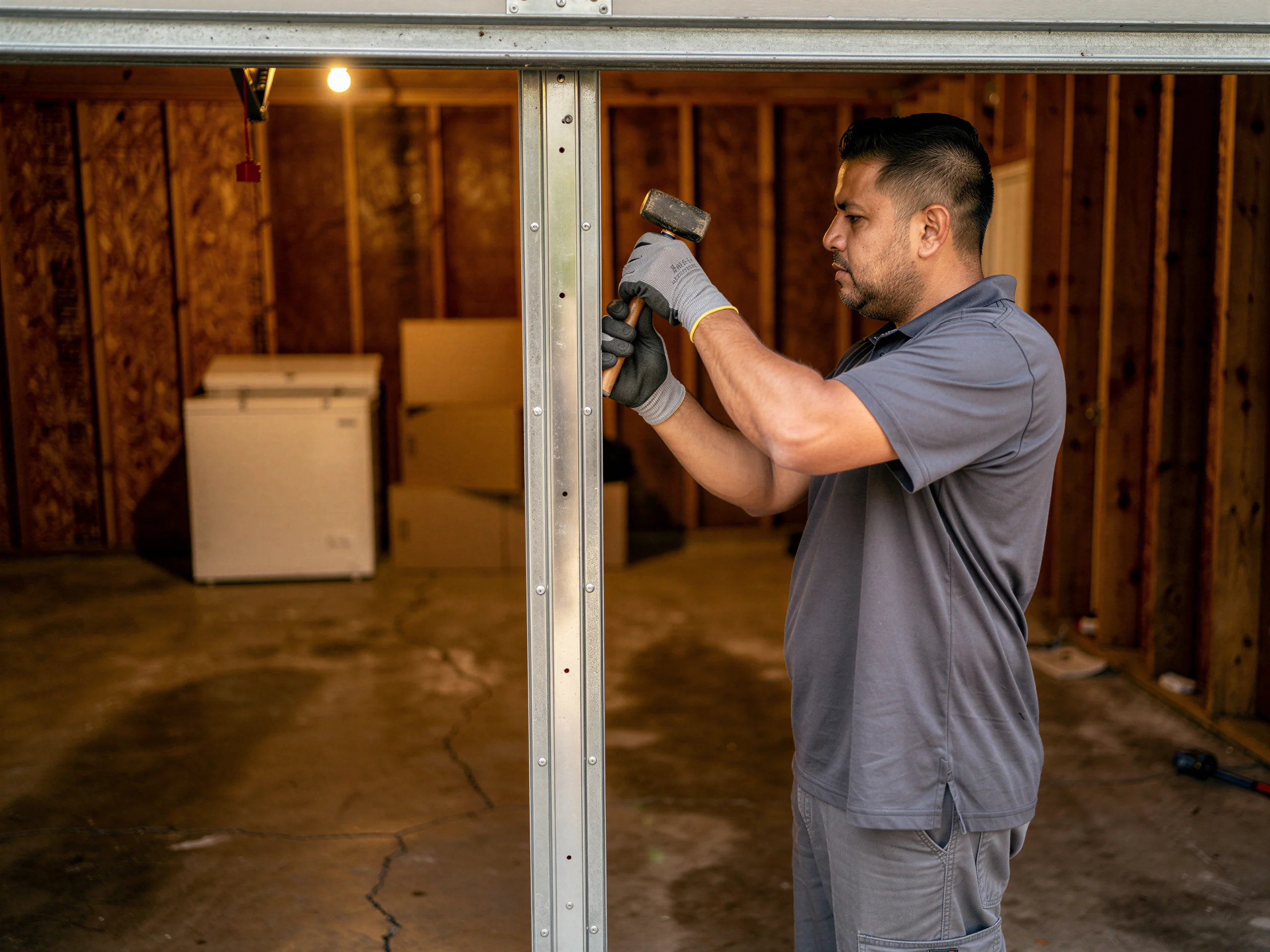
The honest limitation: if a tech gets there and finds the track is only cosmetically bent but the real issue is a cracked hinge or a spring that's been limping along, we're not going to just push the door back on the track and call it done. That's a patch, not a fix, and it'll come off again.
What You Are Seeing
Druid Hills sits at a median year built of 1964 - meaningfully older than a lot of the newer construction scattered through the broader service area, where homes run as late as 2007.
Past owner adjustments
A door that's been in service since the mid-60s has usually been adjusted, replaced in part, or fought with by more than one homeowner, and the track alignment on these older setups was never built to today's tolerances in the first place.
Freeze-thaw track drift
The climate band here runs cold-moderate, which means repeated freeze-thaw cycles work on the hardware over decades - brackets loosen, track bolts back out of plumb, and a door that's a quarter-inch off at the bottom will walk itself off the track entirely on a cold morning when the steel contracts.
Track never re-leveled
On a 1960s door, that's compounded by original tracks that were never re-leveled after the house settled. What looks like a sudden off-track emergency is often years of small drift finally catching up.
Stocked Parts
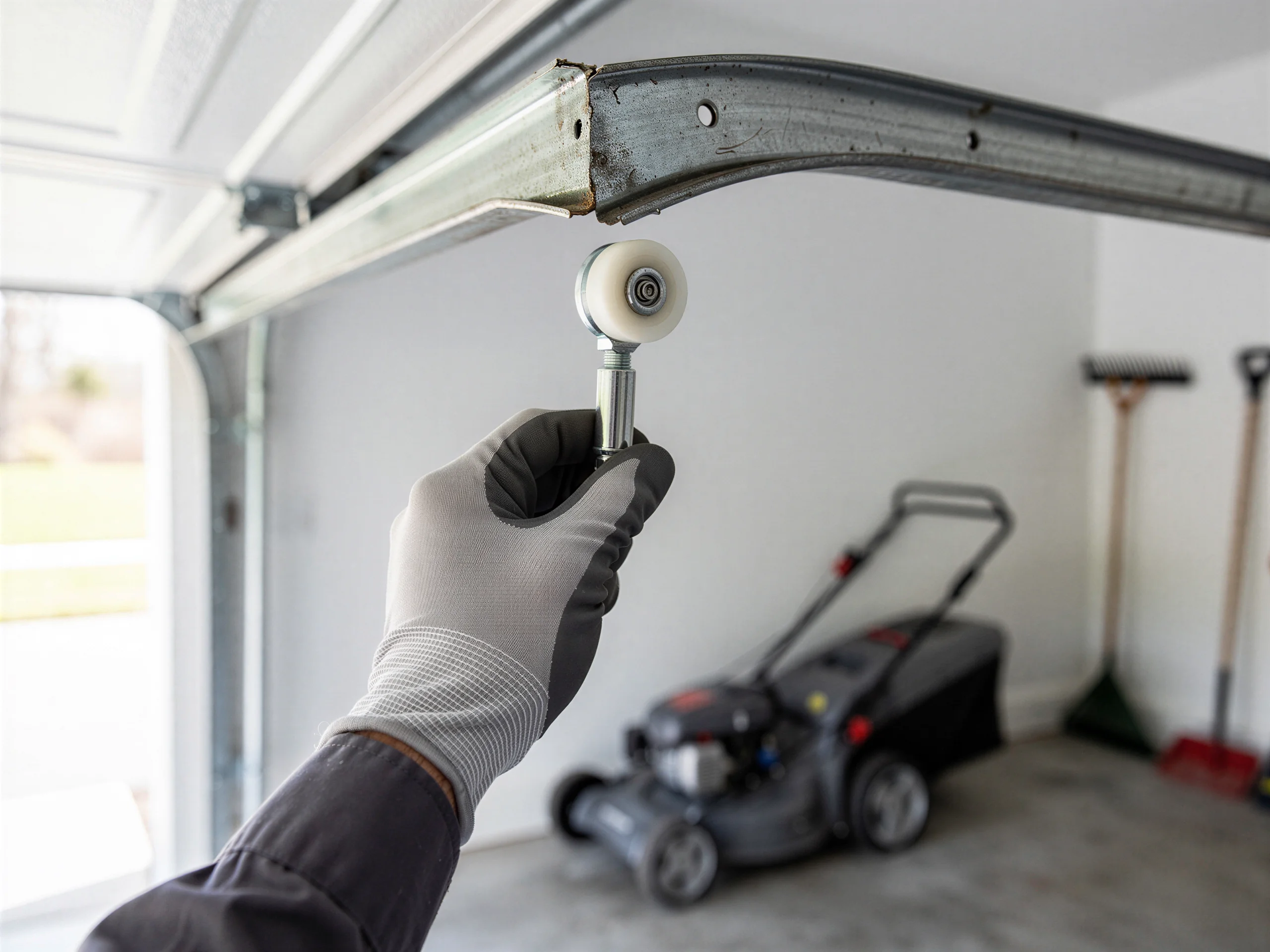
The truck carries standard rollers, cable, and common track sections that cover most of what we see across the territory, but a door original to a 1964-era Druid Hills home can run hardware sizes that newer stock doesn't match - older track profiles and bracket spacing in particular. When that happens, we're upfront about it rather than forcing a part that's close enough: a mismatched roller or track section on an off-track door just sets up the next failure.
For the median household income here, $140,466, that's noticeably higher than the broader area's $82,276, and we mention it only because it changes the conversation homeowners tend to have with us - more are willing to replace an original, incompatible track section outright rather than patch around it, which honestly holds up better long-term on a door this age.
Talk to a local pro
Garage door service in Marietta?
Same-day service with honest, upfront quotes.