Doing It Yourself
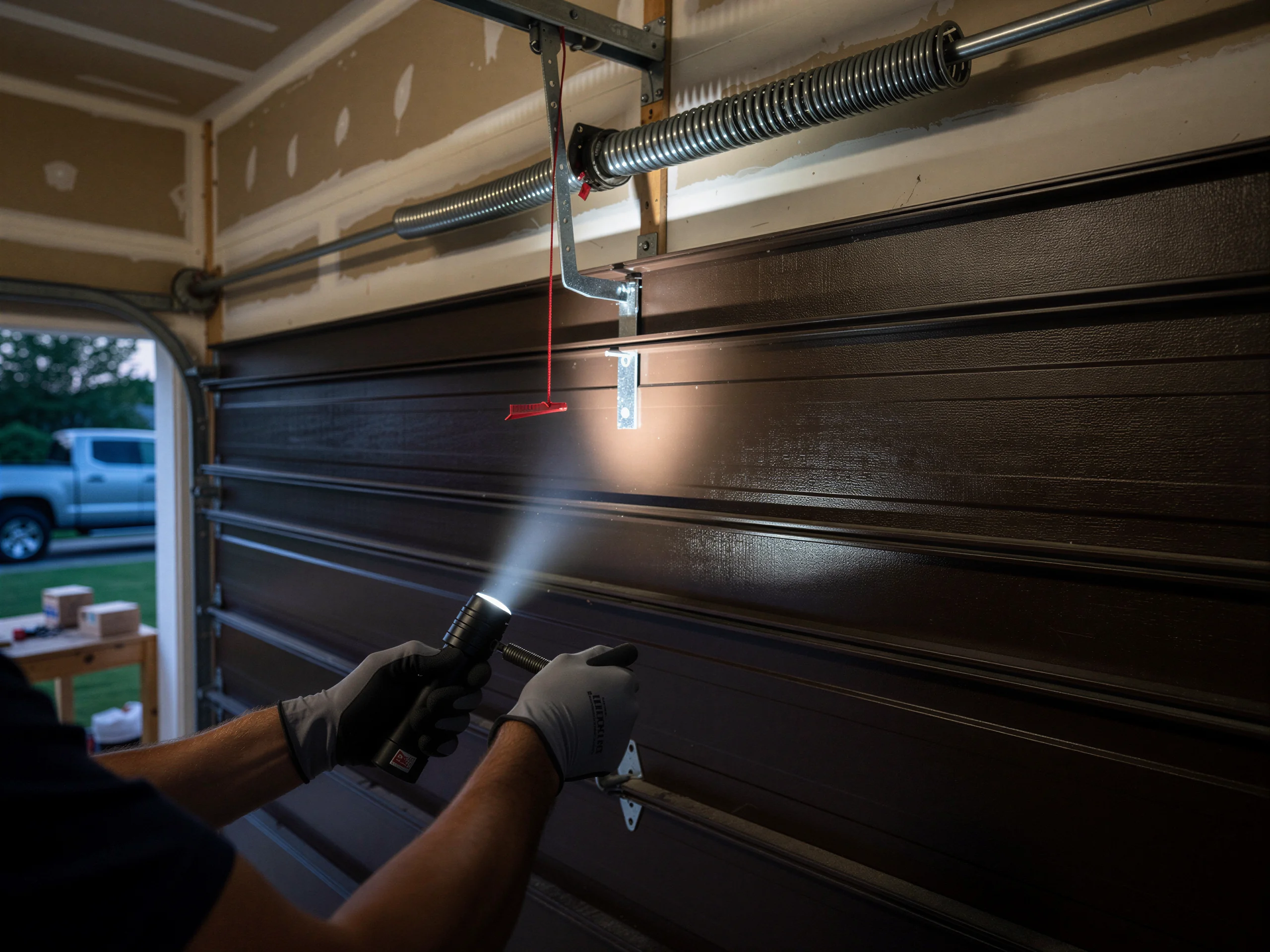
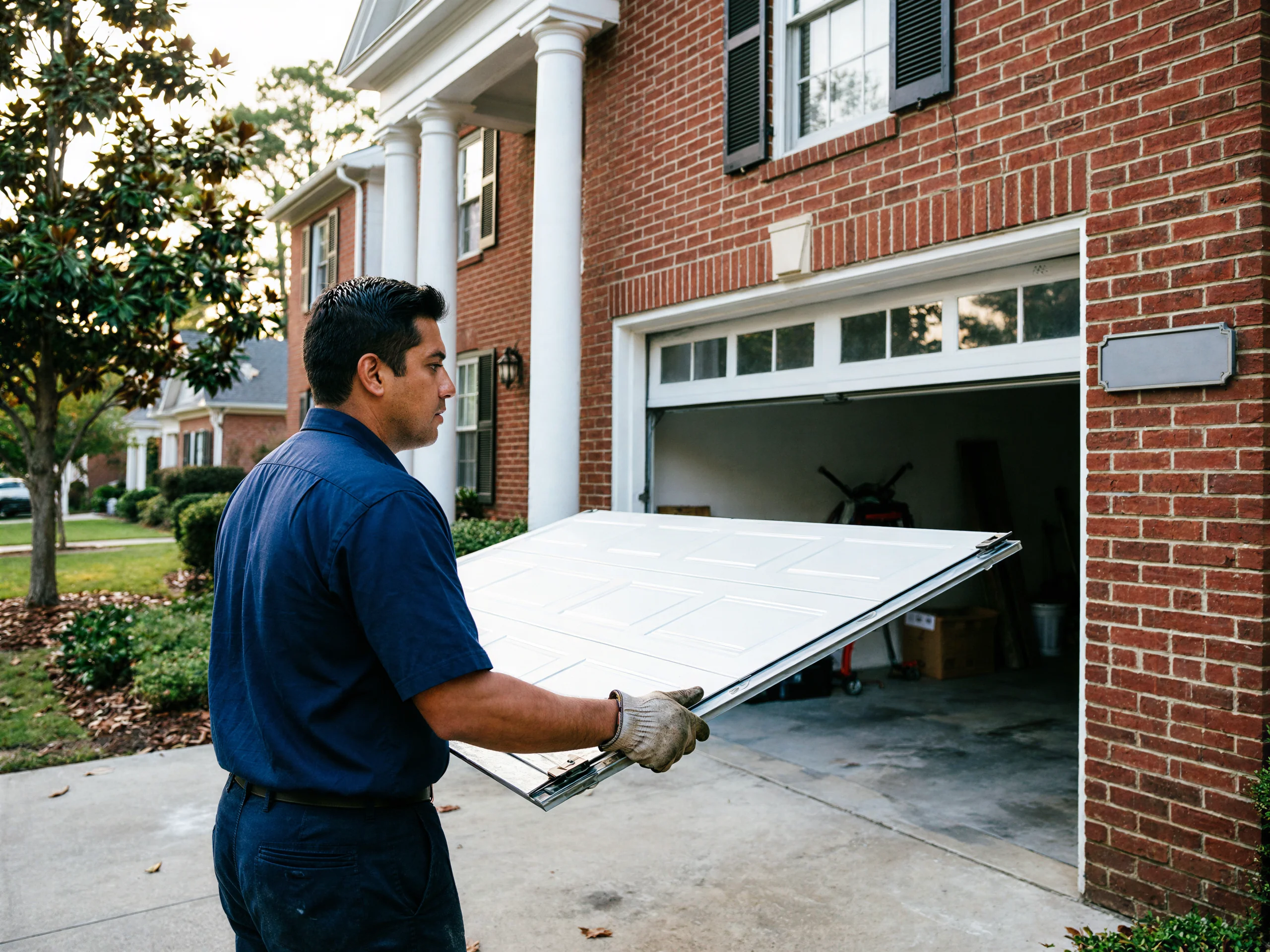
Marietta Garage Door Co covers a wide stretch of homes built anywhere from 1964 to 2007, with the median landing around 1984. Powder Springs sits newer than that average - most houses here went up closer to 1995, which puts the typical garage door and opener setup squarely in the early extension-spring-to-torsion transition and the first generation of safety-reversing openers required after federal rules changed. That matters before you touch anything yourself. A homeowner working on a mid-90s door is dealing with different spring winding cones, different end bearing plates, and often a opener logic board that doesn't match what a YouTube video filmed on a 1960s door shows. If your door is original to the house, you're close to 30 years into its service life on springs rated for a fraction of that. We're not against a homeowner tightening a loose hinge screw or clearing a track of debris - that's reasonable. Pulling a wound torsion spring or rewiring a safety sensor on a door this age is where we'd rather get the call first.
Stocked Parts
Because the build era here skews to the mid-90s rather than the 1960s-80s stock found elsewhere in the service area, we load the truck differently for a Powder Springs run.
Springs, rollers, logic boards
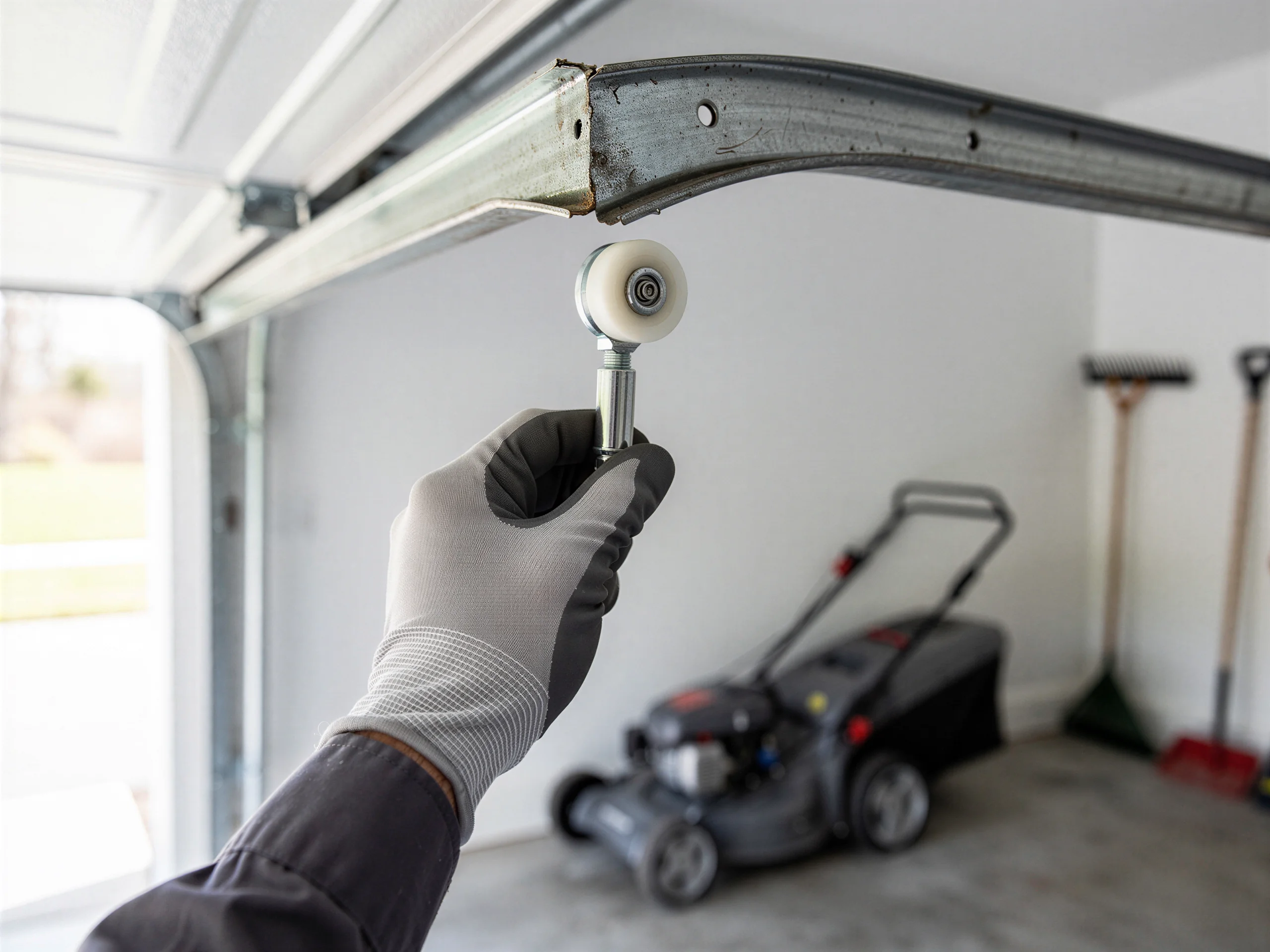
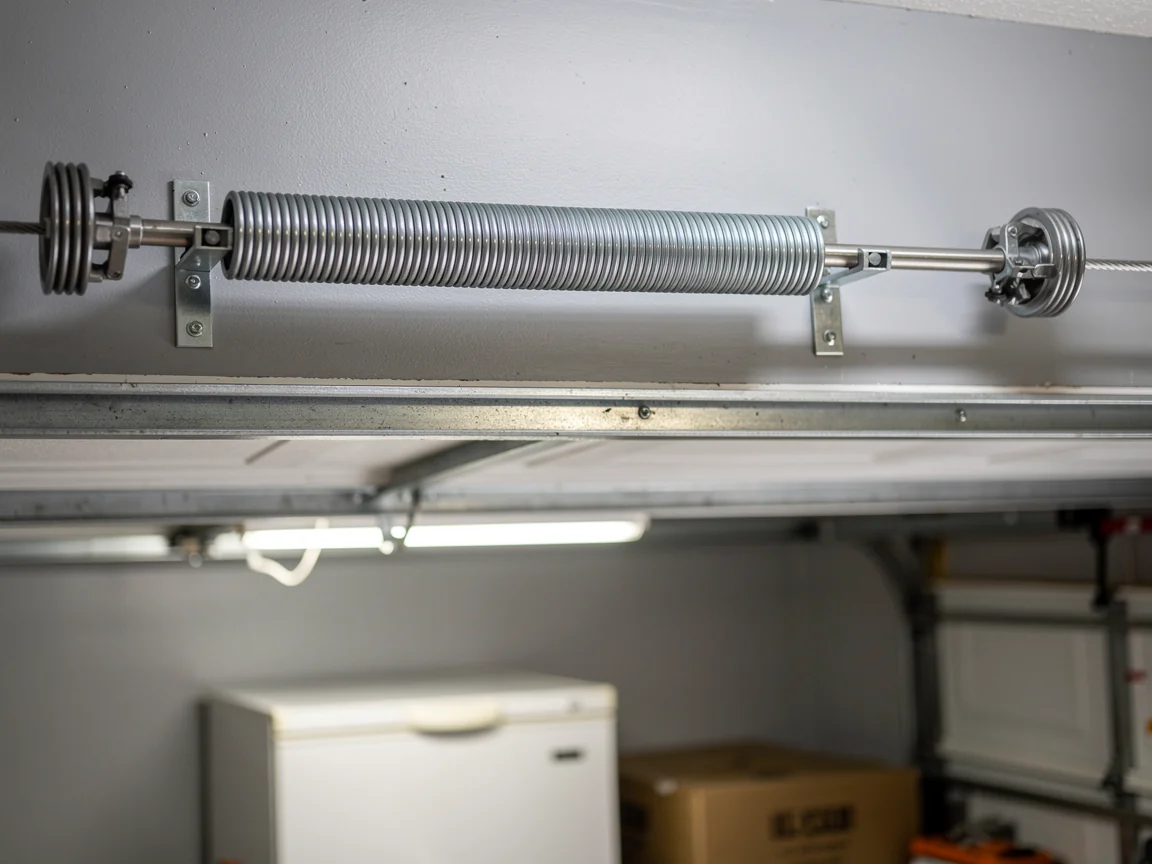
That means standard torsion springs sized for 7-foot and 8-foot sectional doors, steel rollers in the sizes that shipped with that generation of door, and opener logic boards or circuit sensors for the models that were common when these houses were built.
Pre-1970 parts need ordering
What we don't carry on every truck is parts for doors older than that - original hardware from the 1960s stock that still turns up in a handful of older pockets of the service area needs a parts order, and we'll tell you that up front rather than make a trip for nothing.
Time on the Job
A straightforward torsion spring replacement or roller swap on a door from this era usually runs to a predictable job length because the parts are common and the hardware hasn't had thirty-plus extra years to corrode or get retrofitted with mismatched pieces. Where the job runs long is when a previous repair introduced parts that don't match the door's original spec - we see this on houses that have changed hands a few times since 1995 and picked up a replacement opener or a spring sized for a different door weight somewhere along the way. We check the door's actual weight and spring wind before we quote a time, not just the age on paper.
Getting It Booked In
We run out of Marietta, about 10 miles from Powder Springs, so a booked appointment is a scheduled drive rather than a dispatch from a local depot.
No promised response times
That's worth knowing if you're calling about something urgent - tell us the door won't close or the spring has let go and we'll work it into the route accordingly, but we're not claiming a same-area response time we don't have.
Booking non-urgent repairs ahead
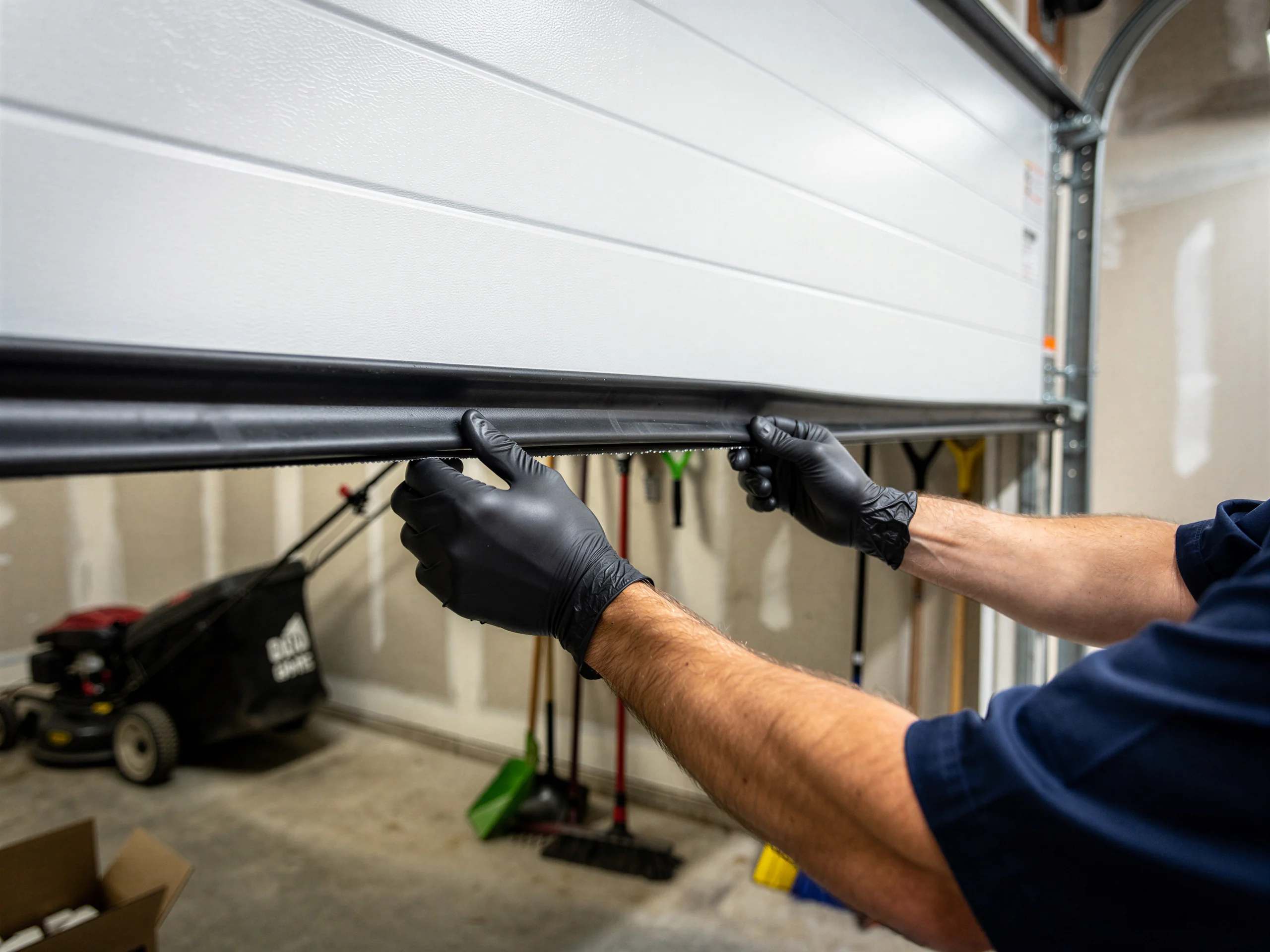
Booking ahead for a non-emergency repair, like a noisy roller or a sensor that needs realignment, lets us bring the right parts the first trip instead of a second visit.
What the Fix Involves
Most calls here fall into a handful of categories: a torsion spring that's reached the end of its wind count, rollers that have worn down to the point the door binds in the track, or an opener sensor that's drifted out of alignment and won't let the door close. On a household income in this area running higher than the service-area median, we also get more calls for opener upgrades - swapping a mid-90s chain-drive unit for something quieter - rather than pure break-fix work. We'll always tell you when a repair isn't worth it: if the door itself is original and the track is bent along with a failed spring, replacing the door is usually cheaper over time than chasing parts for a 30-year-old panel.
Talk to a local pro
Garage door service in Marietta?
Same-day service with honest, upfront quotes.