Doing It Yourself
Powder Springs sits about 10 miles from our shop in Marietta, which shapes how we handle a panel job out here more than people expect.
Planned trip, phone prep
We're not swinging by on a whim between two other calls down the street - a trip out here is a planned trip, so we spend extra time on the phone beforehand getting the door's brand, panel size, and insulation type right before a truck ever leaves.
Panel bolted into neighbors
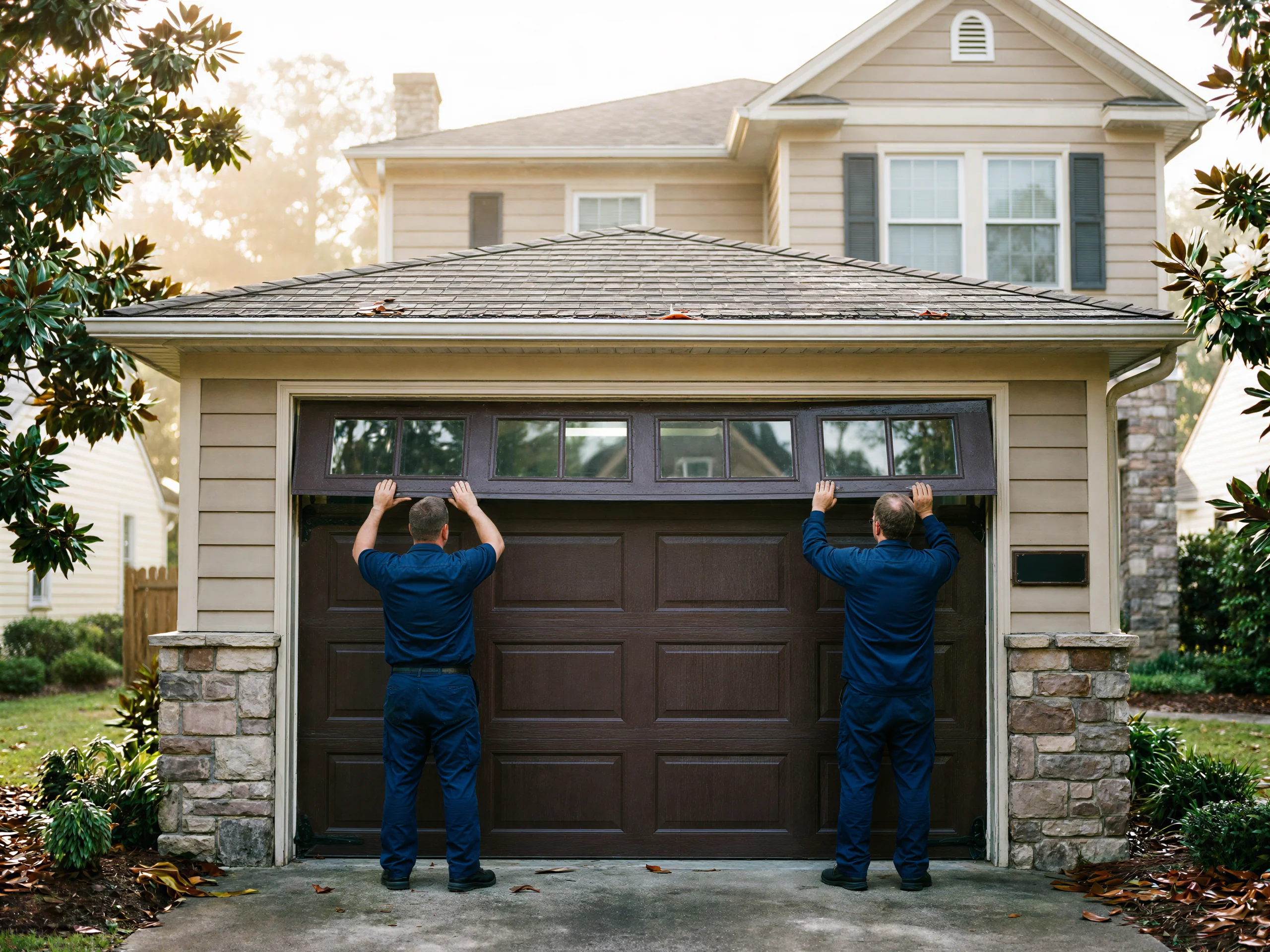
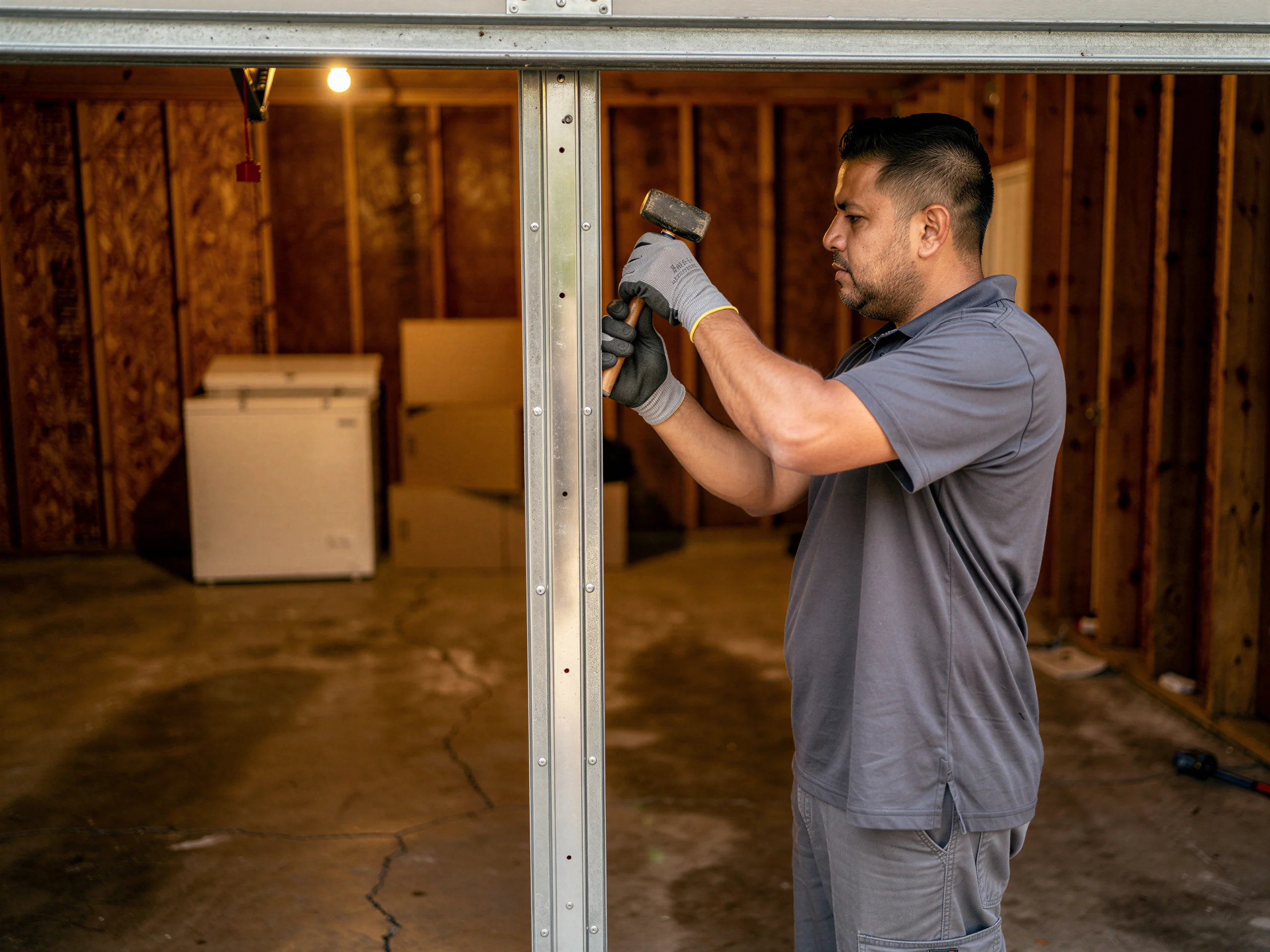
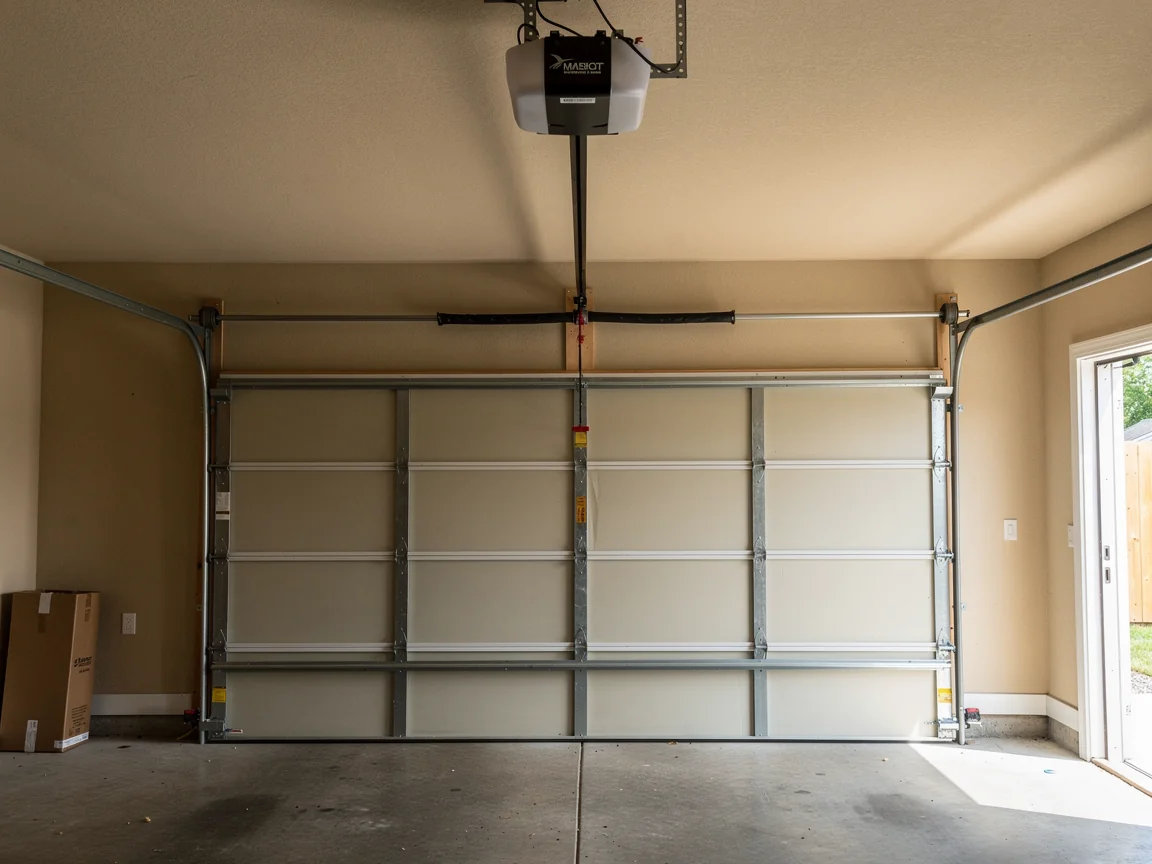
A homeowner who wants to try this themselves should know what they're up against: a single bent or dented panel on a sectional door is bolted into the ones above and below it, and pulling it means supporting the door's weight without the spring doing something unpleasant. If the door still rolls and seals fine around the bad panel, a careful owner with the right clamps can sometimes get a replacement section in without calling anyone.
Spring and top panel limits
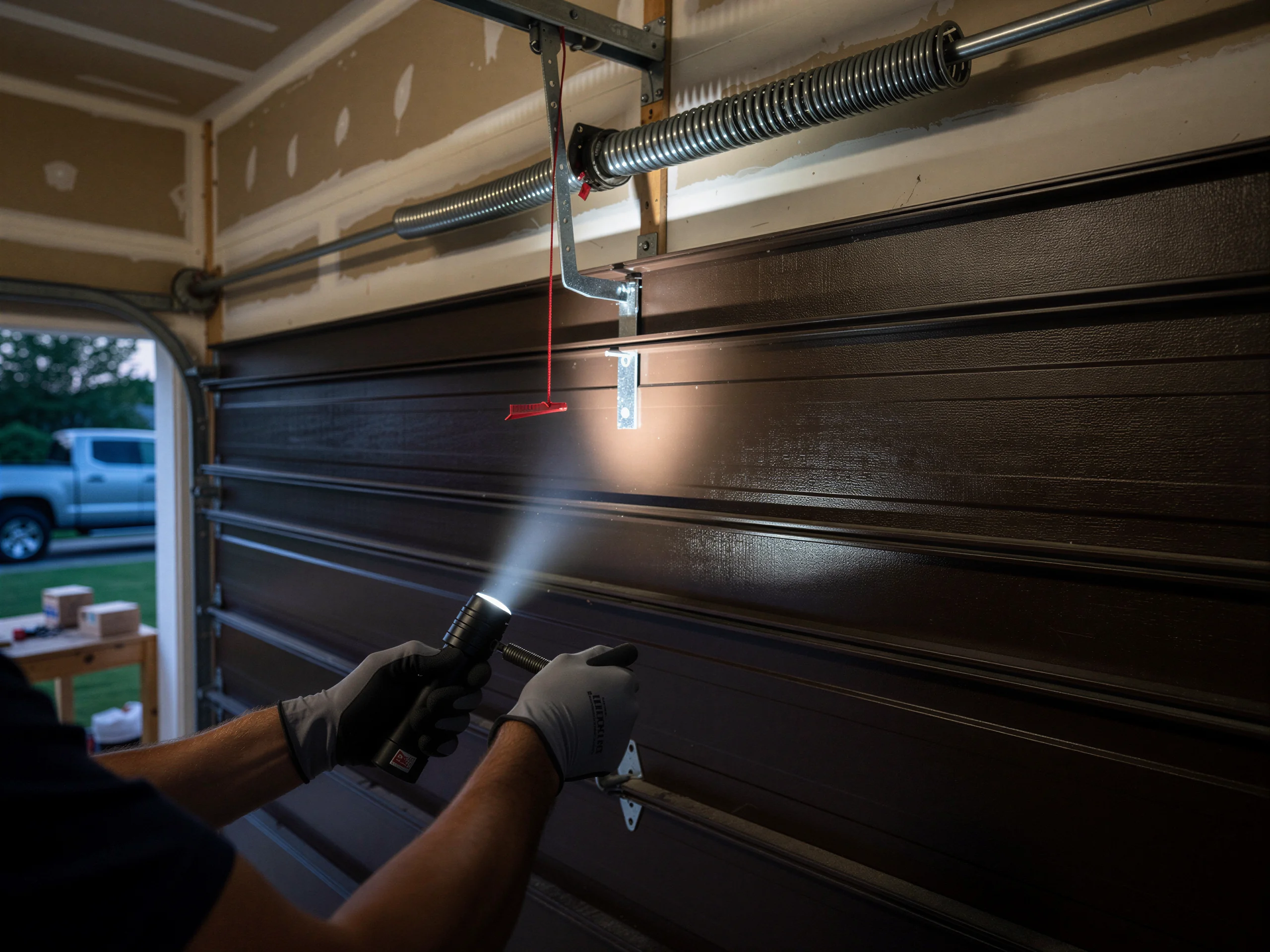
Where it stops being a DIY job is anything involving the torsion spring itself, or a top panel tied into the opener's travel limits - get that wrong and you've turned a $200 panel into a door that won't close at all. We'd rather talk you through the easy version than sell you a truck roll you didn't need.
Stocked Parts
Housing in this part of the county mostly went up through the 1980s and 90s, newer than a lot of what we see closer to the city, and that works in your favor on a panel job.
Standard widths stocked
Doors from that era are almost all steel sectional on raised-panel or flush profiles in standard widths, not the older one-piece wood slabs you still find on houses from the 1960s further in. That means the replacement sections we carry on the truck fit the majority of doors we're asked to match out here without a special order.
Color shift and discontinued pattern
Where we do have to wait is color and texture matching on a door that's faded or on a discontinued embossed pattern - steel panel colors shift over 10-15 years of sun, and getting an exact match on a single section next to older ones isn't always possible.
Honest match expectations
We'll tell you straight if a perfect match isn't realistic so you can decide whether to replace just the damaged section or do the full door while we're there.
Time on the Job
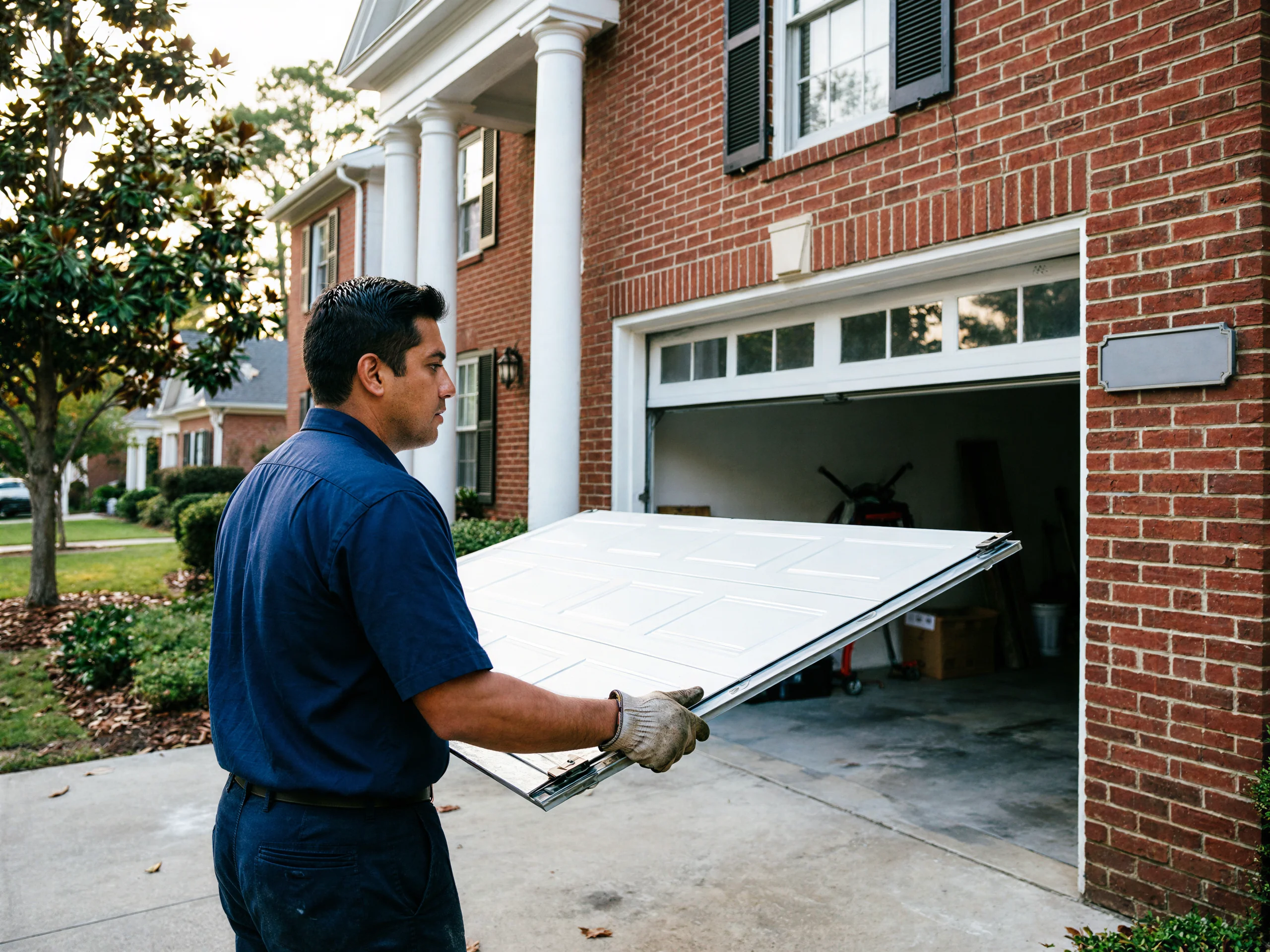
A single-panel swap on a standard double door usually runs under two hours once the truck is on site, assuming the replacement section is a stock size and the track underneath wasn't bent in whatever hit the door in the first place.
Resetting opener limits
Add time if the opener's travel limits need resetting after a top panel goes in, since the sensor brackets and limit switches are often mounted to that section.
Scoping tightly by phone
Because the trip out from Marietta eats real time before the work even starts, we try to scope the job tightly on the phone - section location, door brand if you have it, rough age of the door - so the parts on the truck match what's actually on your wall.
Full set means longer day
A job that turns out to need a full panel set instead of one section is a longer day, and we'd rather know that going in than discover it after we've already made the drive.
Getting It Booked In
Because we're coming from Marietta rather than running a crew based in Powder Springs itself, booking a panel job here works best with a little lead time rather than a same-hour call. Tell us the door's age if you know it, which side the damaged panel is on, and whether the opener still runs the door normally - that's usually enough for us to pull the right stock panel before we leave. If you're not sure what you're looking at, a couple of photos sent ahead saves a wasted trip more than almost anything else we ask for. We don't keep a branch or a drop-off counter out this way, so every job here is scheduled as its own trip, which is also why we're upfront about what we can fix in one visit versus what needs a second one.
What the Fix Involves
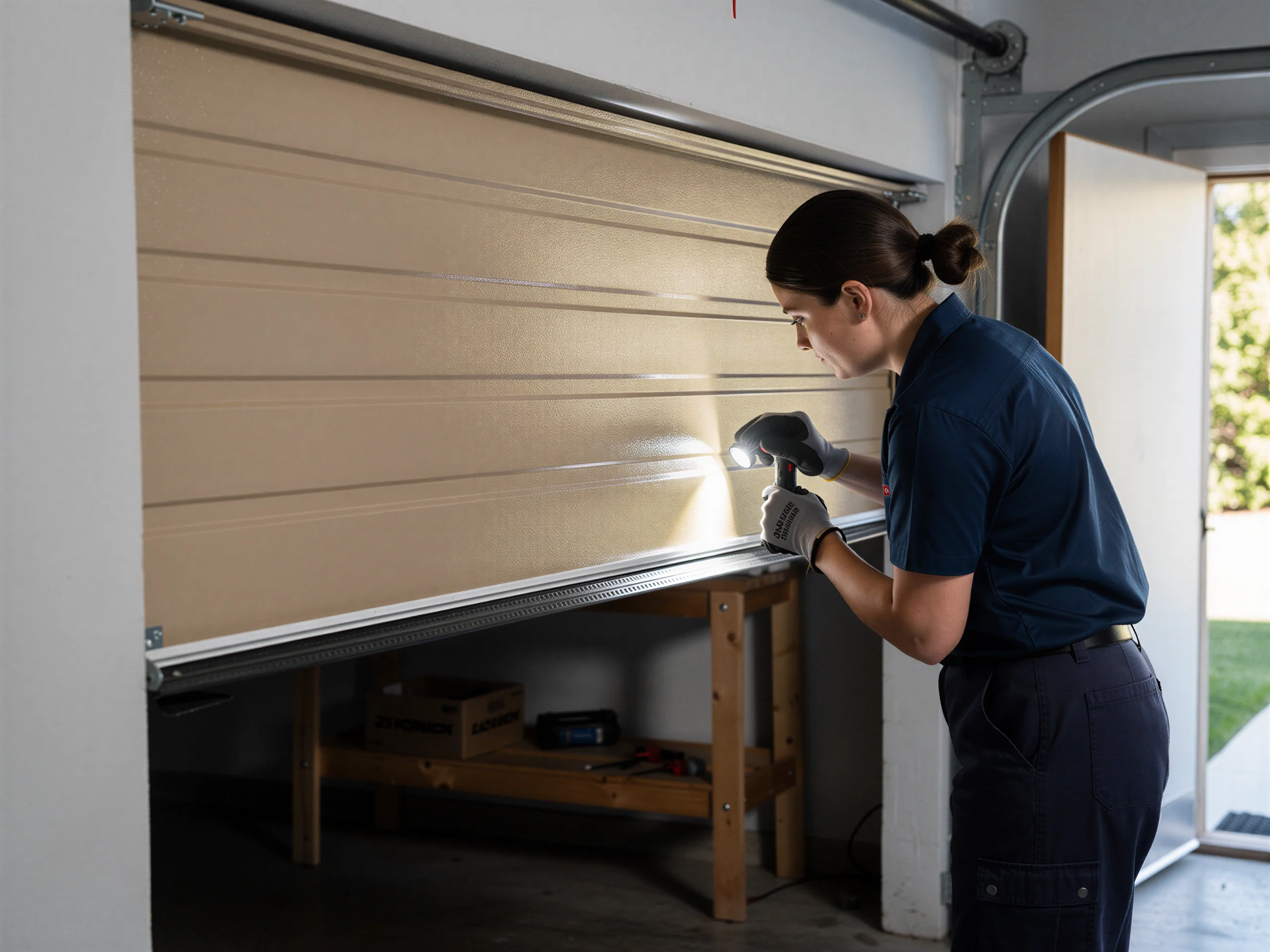
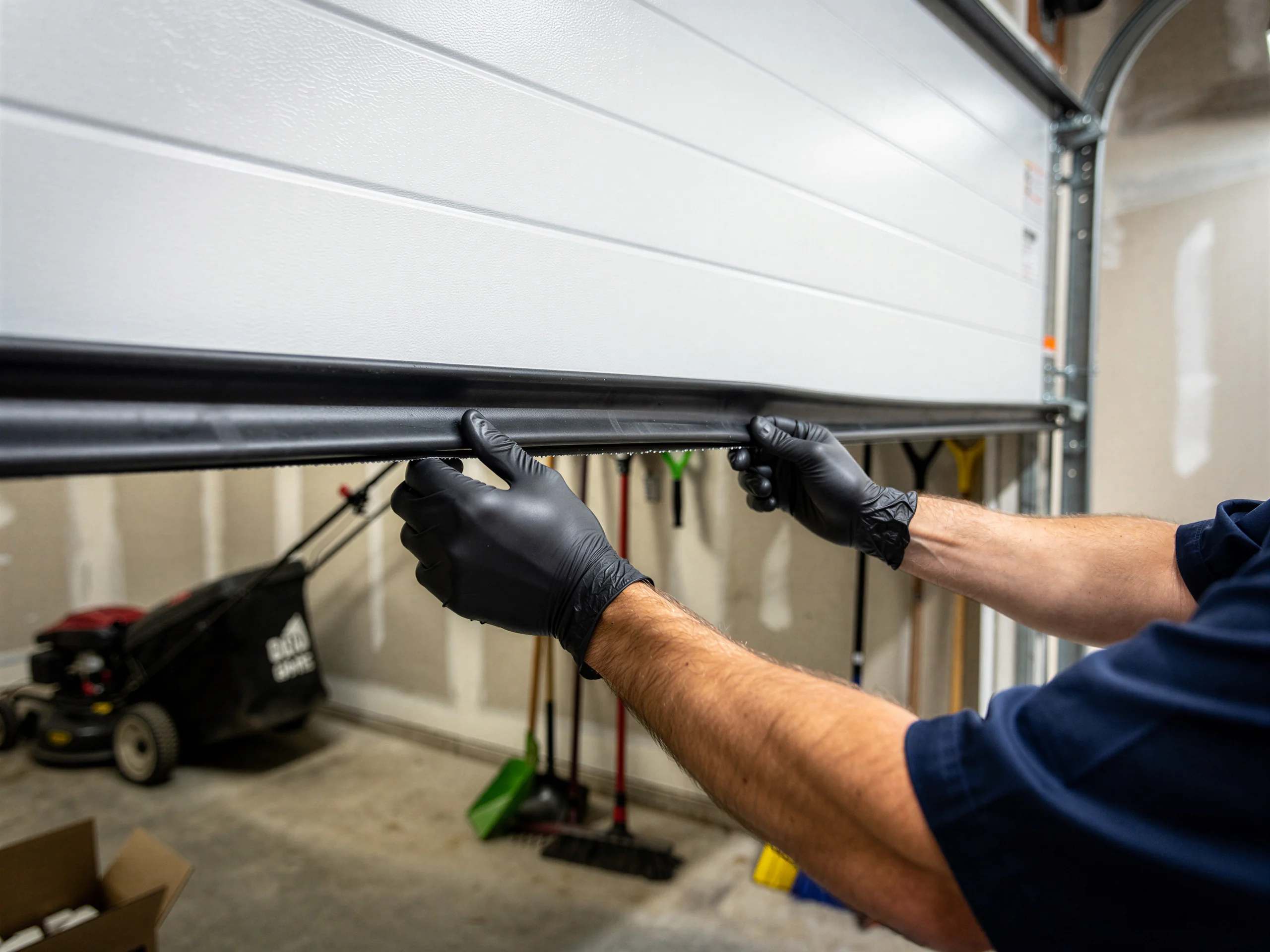
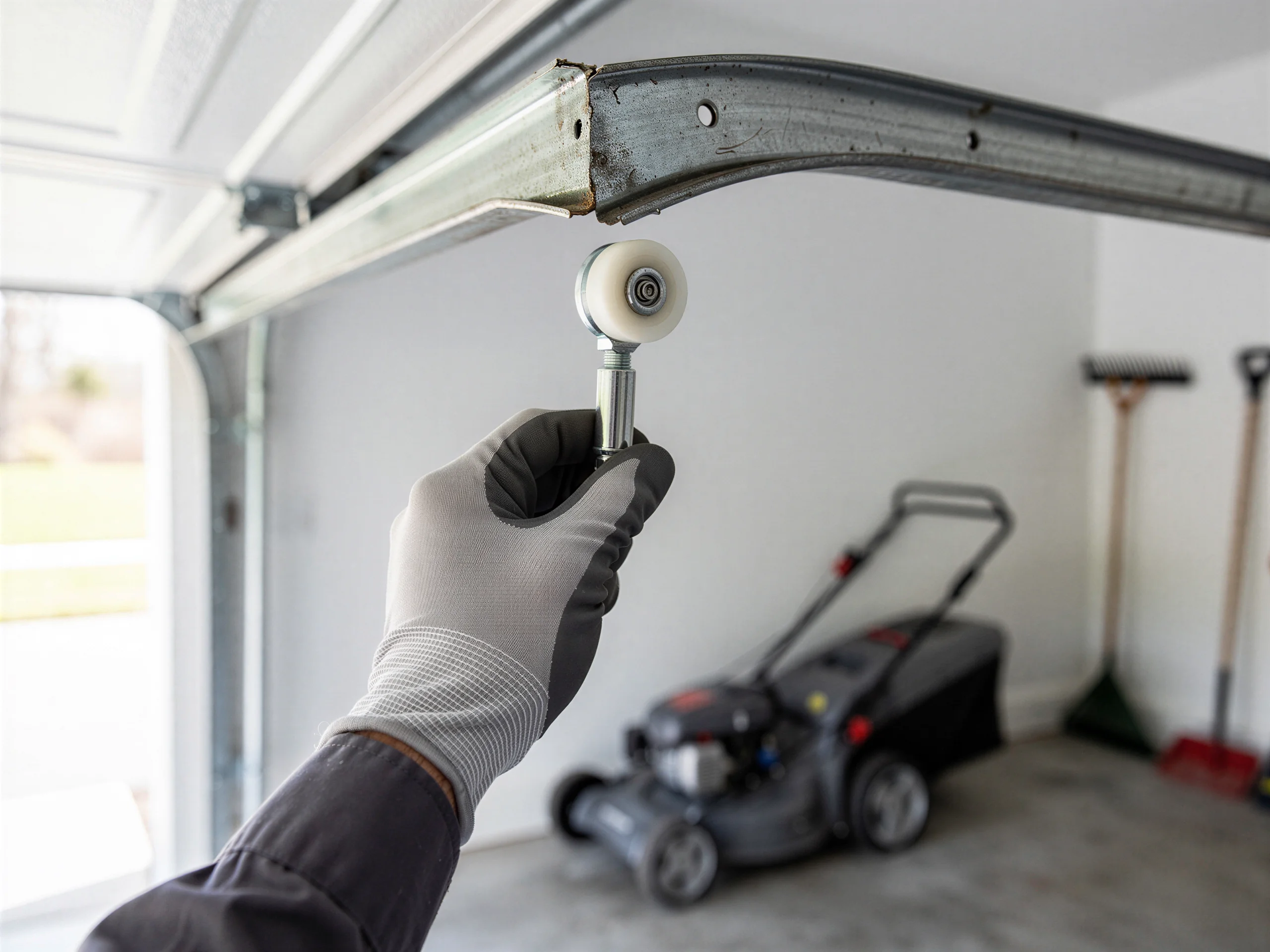
Once we're on site, the job starts with checking whether the track and rollers around the damaged panel are still straight - a dented panel often comes with a slightly bent track, and replacing one without checking the other just moves the problem. We unbolt the hinges holding the bad section to its neighbors, slide the new panel in, and re-hang it, then run the door through a full cycle to check it tracks straight and the opener's safety sensors still line up. On homes with higher-end insulated doors, which we see more of out here given this area's household incomes run well above the service-wide average, we also check the panel's foam core seats flush against the one next to it - a gap there undercuts the insulation value of the whole door, not just the one section.
Talk to a local pro
Garage door service in Marietta?
Same-day service with honest, upfront quotes.