Time on the Job
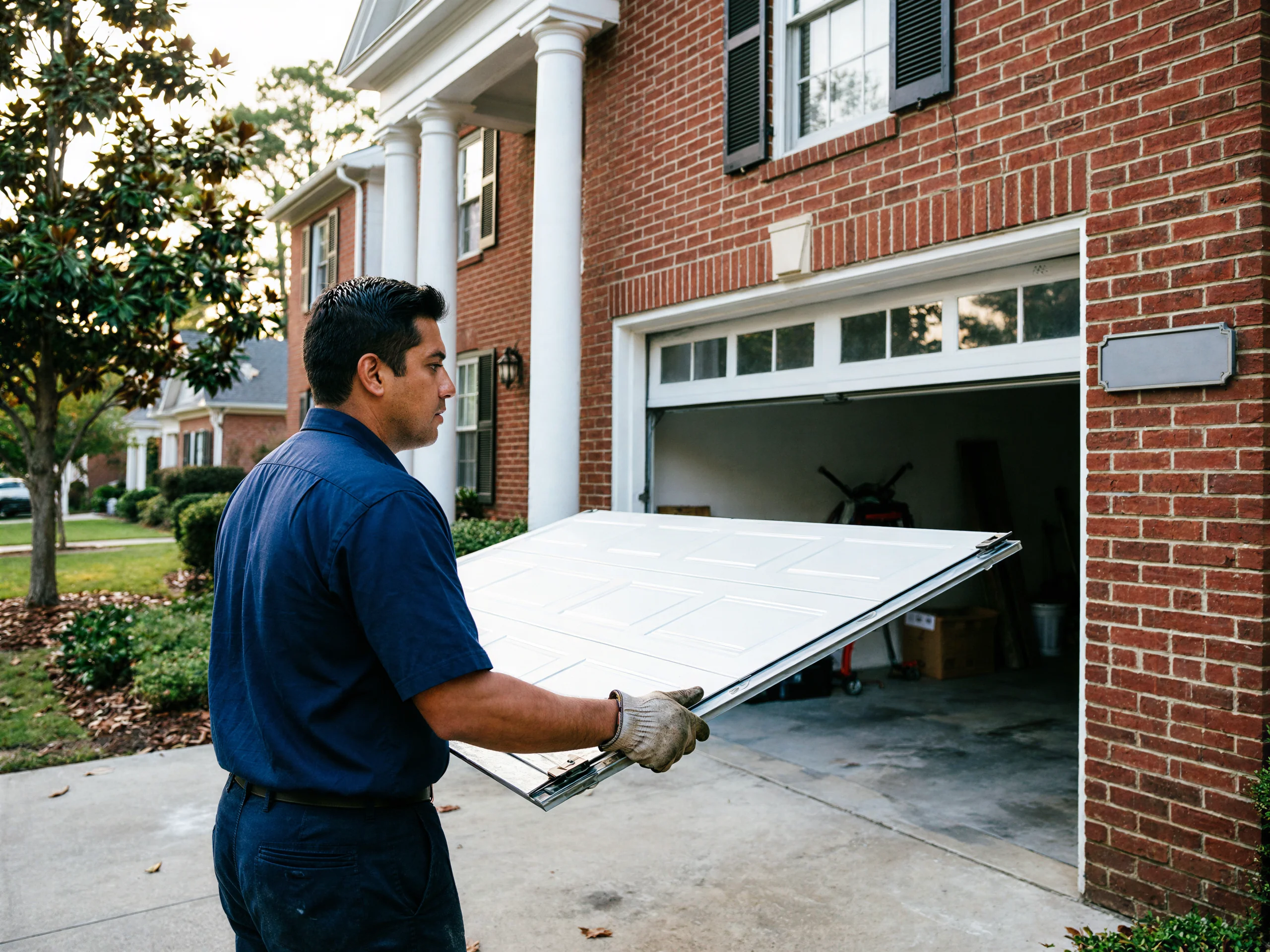
Across the wider Marietta service area, houses run from 1964 up through 2007, with the midpoint landing around 1984. Peachtree Corners sits a few years past that midpoint - most of this neighborhood went up around 1988, which puts it in the later wave of that build-out rather than the earlier one. That gap matters more than it sounds. A door from 1984 was likely installed with an early chain-drive opener and a torsion spring sized for a heavier wood-composite panel. A door from 1988 is more likely to have a lighter steel panel and an opener with a photo-eye safety reversal, which became standard around that point. We come out from Marietta, about 18 miles off, and the first thing we check is which generation of hardware we're actually standing in front of, because the fix for one is not the fix for the other. We don't keep a crew stationed in Peachtree Corners - every job here is a drive from the shop, which we plan for rather than pretend away.
Stocked Parts
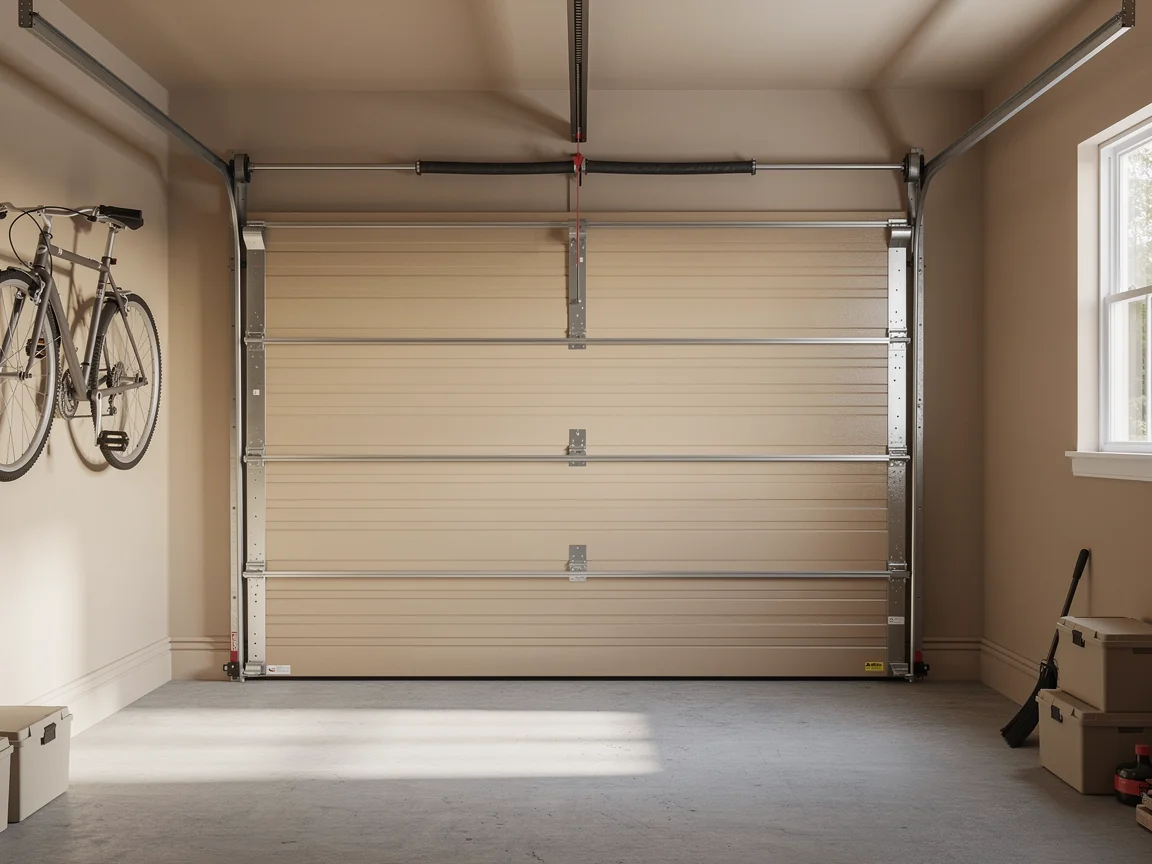
Because Peachtree Corners leans toward the late-1980s end of the area's housing stock, the openers we see here more often take standard 1/3 and 1/2 horsepower drive units and common torsion springs sized for lighter steel doors - parts that are still widely made and that we carry on the truck.
Obsolete track needs ordering
Older sections of the broader service area, closer to the 1964-1970s end, sometimes need obsolete track hardware or oversized springs that take a special order. That's less common out here, but it still happens on a house that got an early or oddball installation.
Telling about missing parts
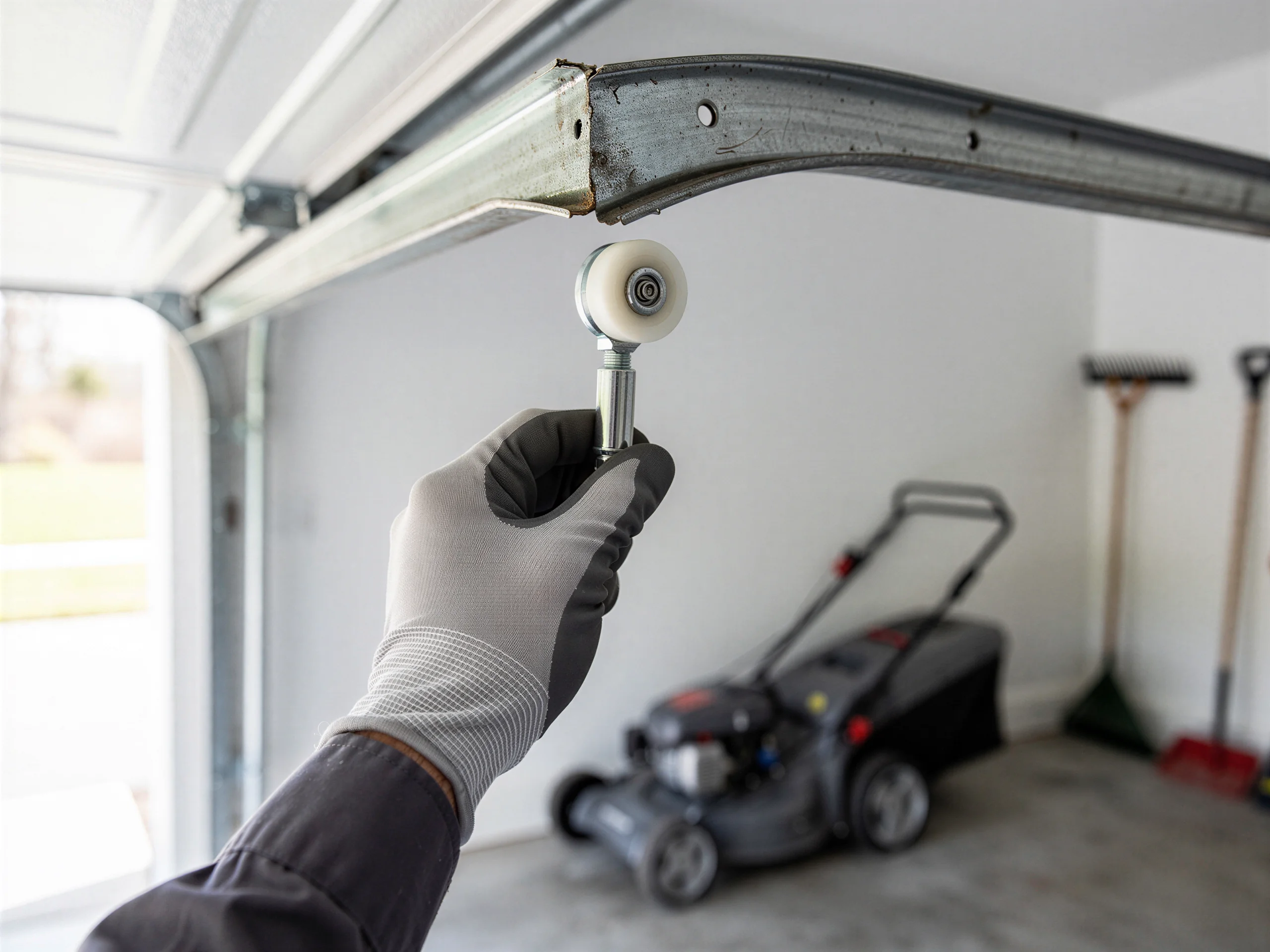
If a part isn't on the truck, we tell you that at the door rather than make a second trip look like a surprise. The climate band here runs cold-moderate, which is mild by national standards but still cold enough that winter stiffens lubricant on older rollers and springs - something worth checking before a January cold snap rather than after a door won't open.
What It Costs
We don't post a flat number for Peachtree Corners because the job depends on what's actually failed and which generation of hardware is behind the panel, not on the zip code. A broken spring on a late-1980s steel door is usually a more straightforward job than a full opener swap on a door with mismatched or outdated track hardware. What we can say is that the area's median household income runs close to the wider service area's figure of $82,276, and most of the houses we work on here are owner-occupied rather than rented, which tends to mean owners who want a repair done right the first time rather than the cheapest patch. We quote the job after we've looked at the spring, the track, and the opener in person - not off a phone description.
What You Are Seeing
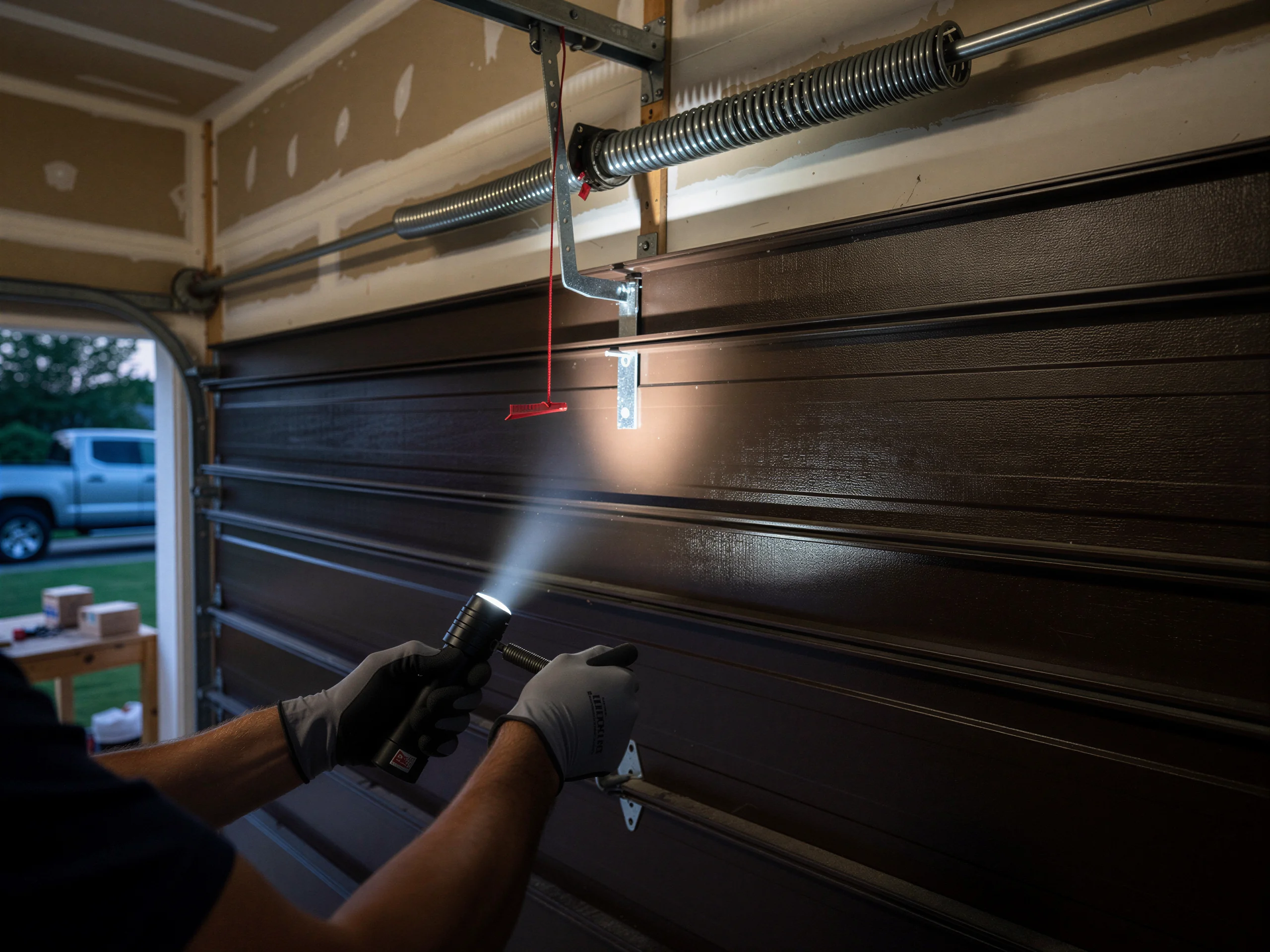
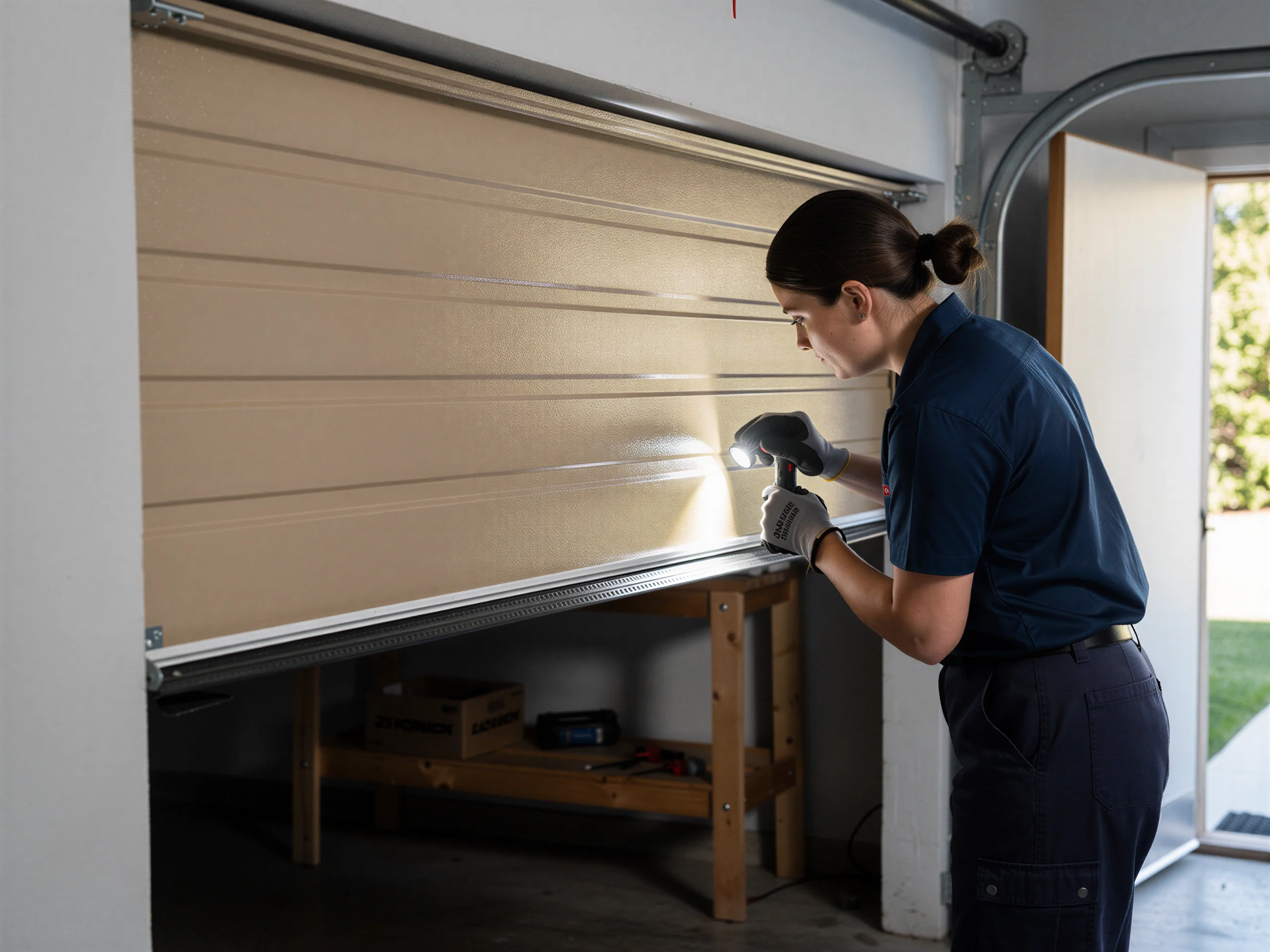
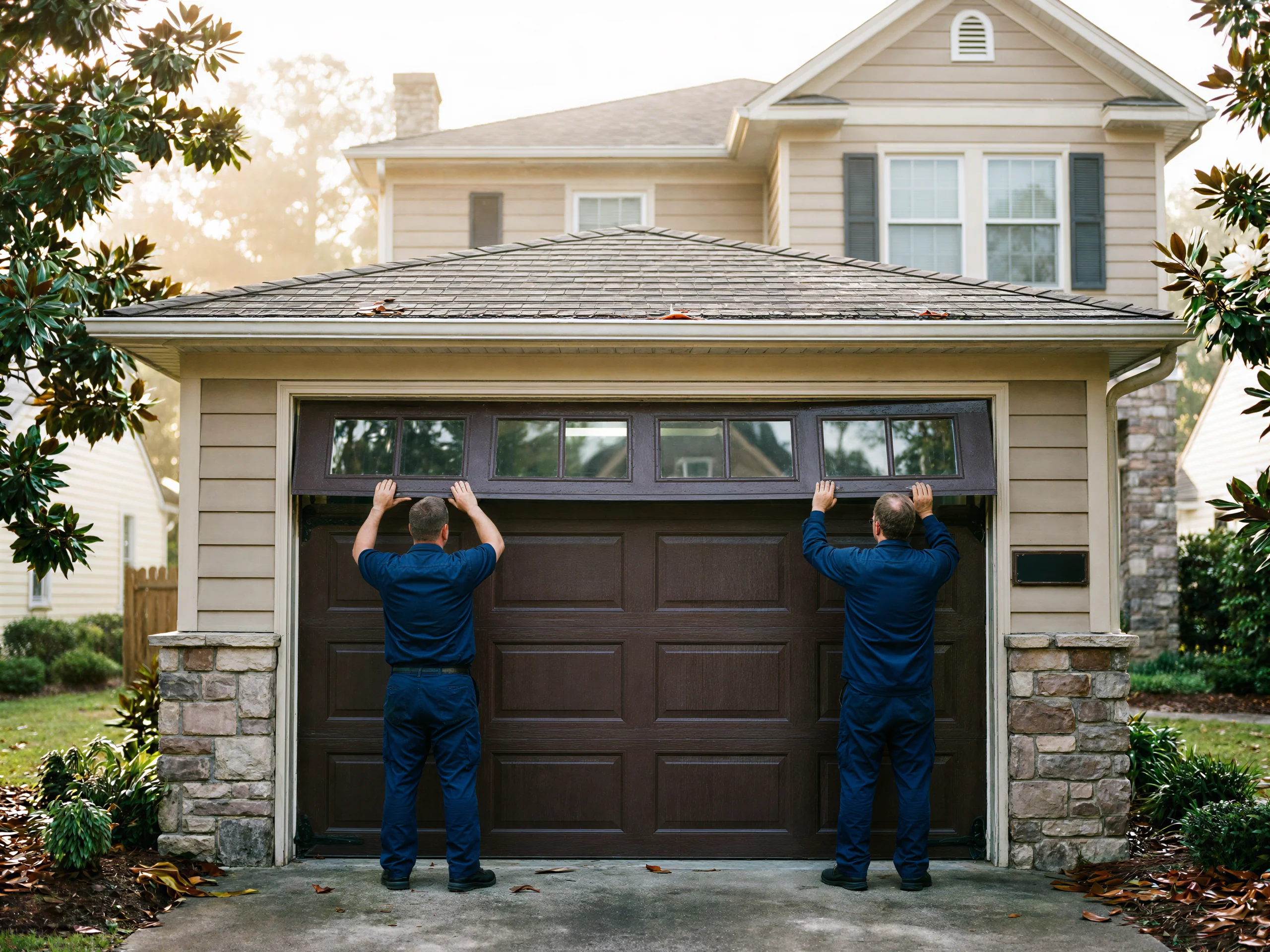
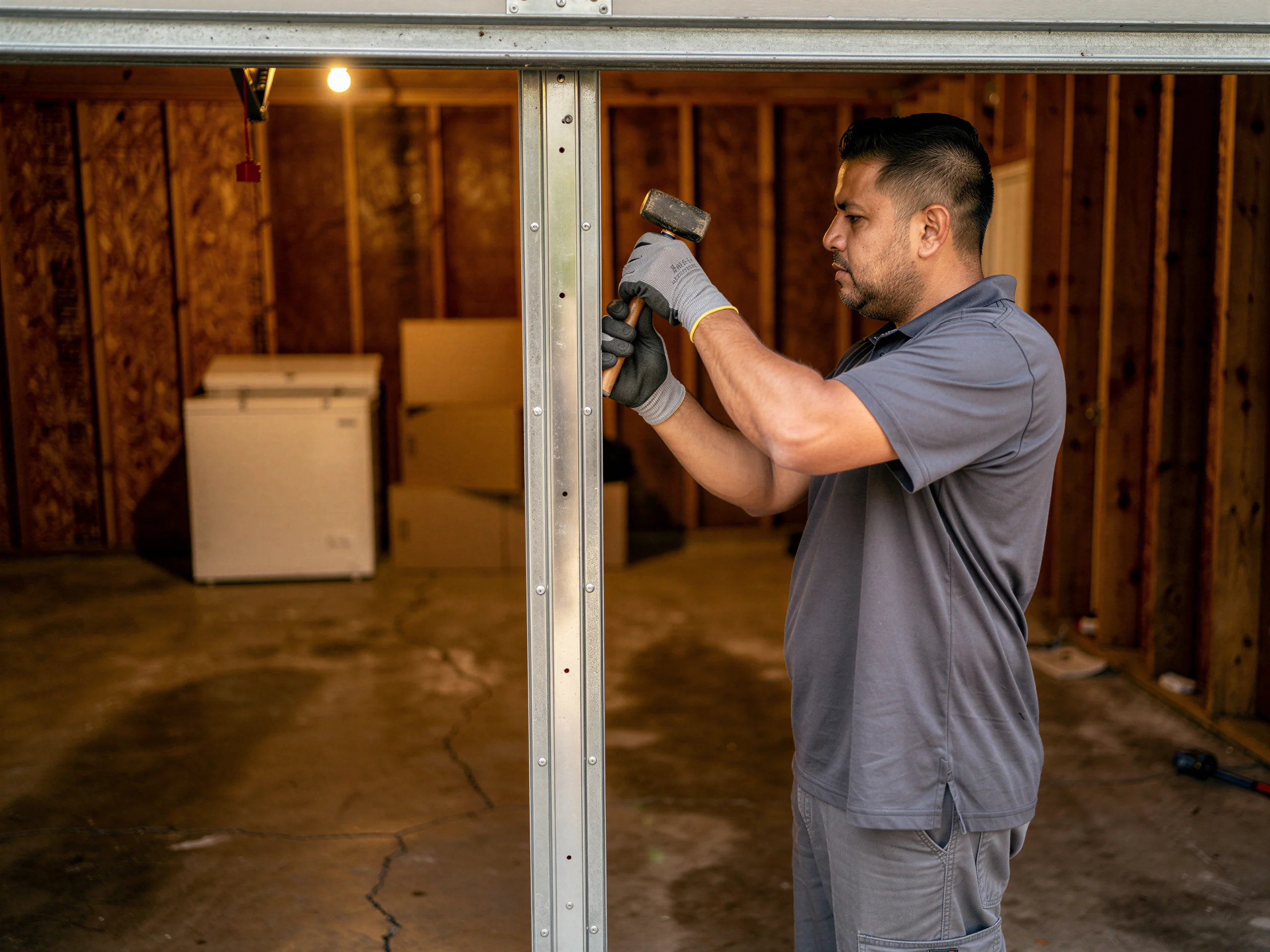
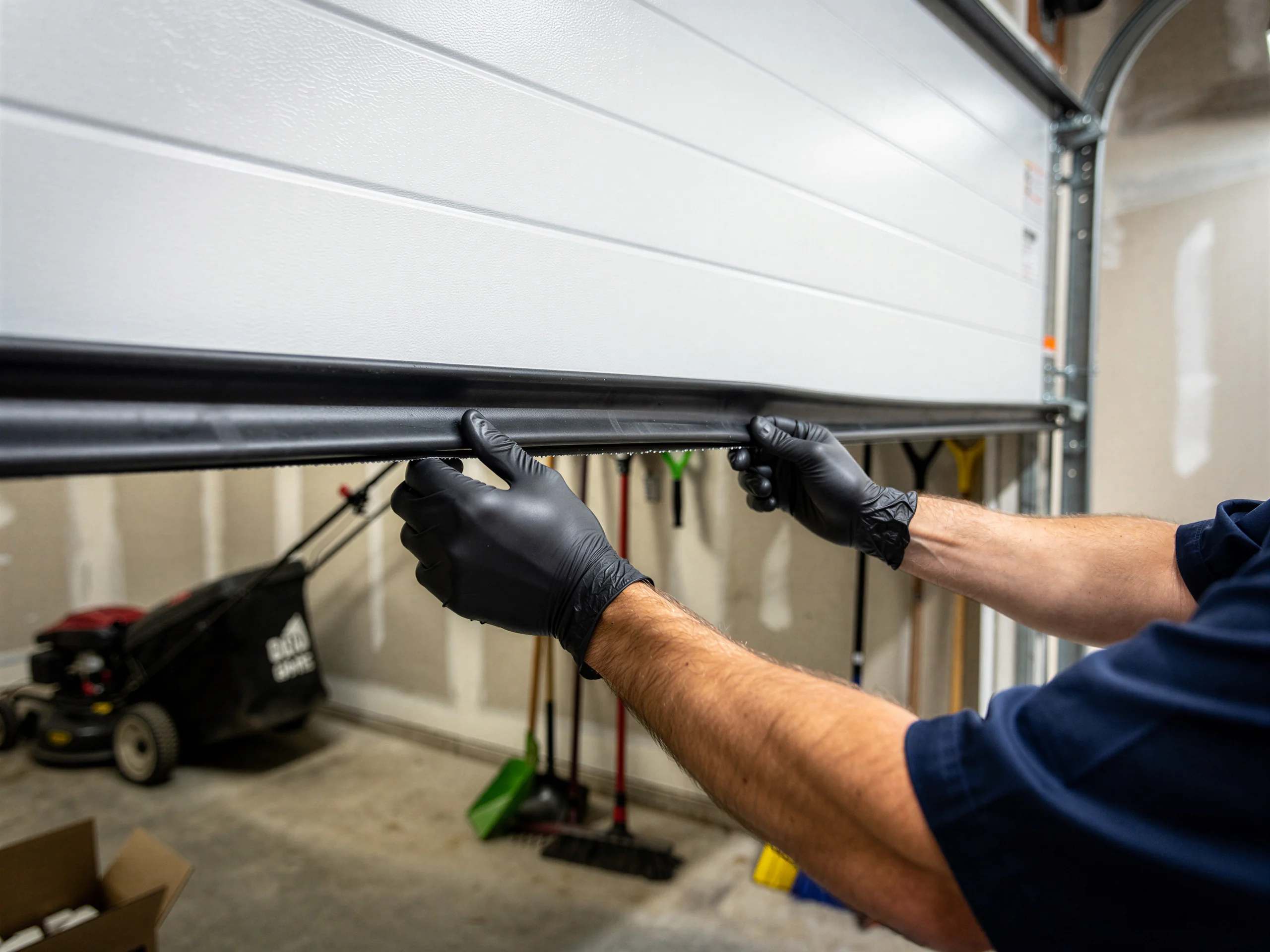
The complaint we hear most from this part of the service area is a door that reverses on its own partway down, or an opener that runs but doesn't move the door. On a late-1980s build, that's often a photo-eye sensor knocked out of alignment or a worn roller binding in the track, not a dead opener. On the handful of older or newer outliers in the neighborhood, the cause shifts - a 1960s-era door might have an undersized spring straining under a heavier panel, while a house built closer to 2000 is more likely dealing with a worn drive belt or a circuit board fault. We look at the actual door in front of us before we guess. One honest limit: if a door's track is bent badly enough, straightening it is often a losing bet compared to replacing the track outright, and we'll say so rather than bill you twice.
Talk to a local pro
Garage door service in Marietta?
Same-day service with honest, upfront quotes.