Time on the Job
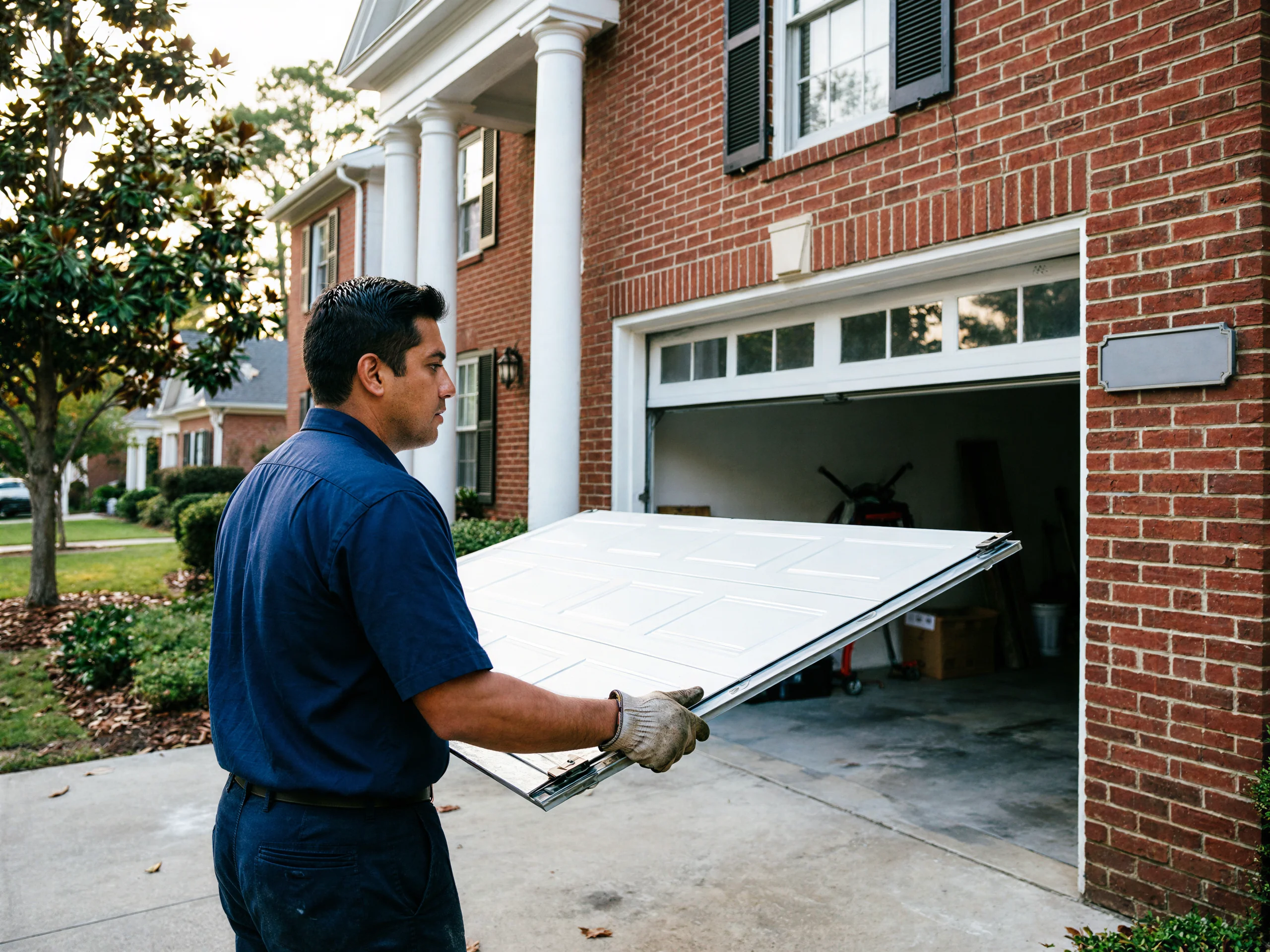
Peachtree Corners sits about 18 miles from our Marietta shop, so we don't treat this as a drop-in stop between closer jobs. When we book a maintenance visit out here, we plan the truck's day around it rather than squeezing it between two Marietta calls. That means we ask for a window rather than a same-hour slot, and we're upfront about that before you confirm. Most of the houses we work on here went up around 1988, which is later than a lot of the stock we see closer to Marietta, and it changes what we expect to find before we even open the door panel. A door from that build year has had over three decades of spring cycles, and if nobody's touched the hardware since the house was built, the lubrication is long gone and the fasteners have usually backed off a turn or two. We'd rather tell you that up front than show up and discover the visit needs to be two trips instead of one.
Stocked Parts
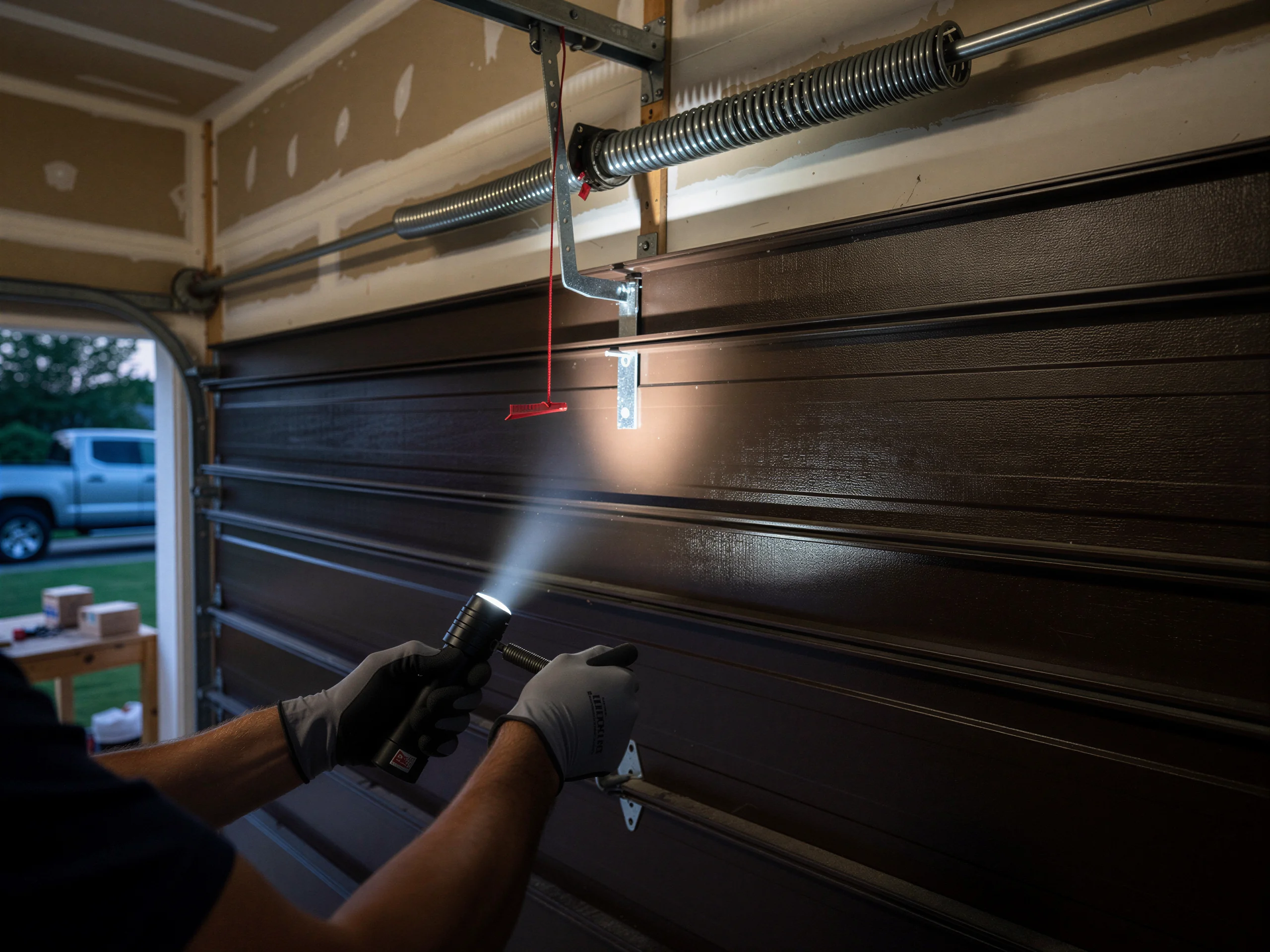
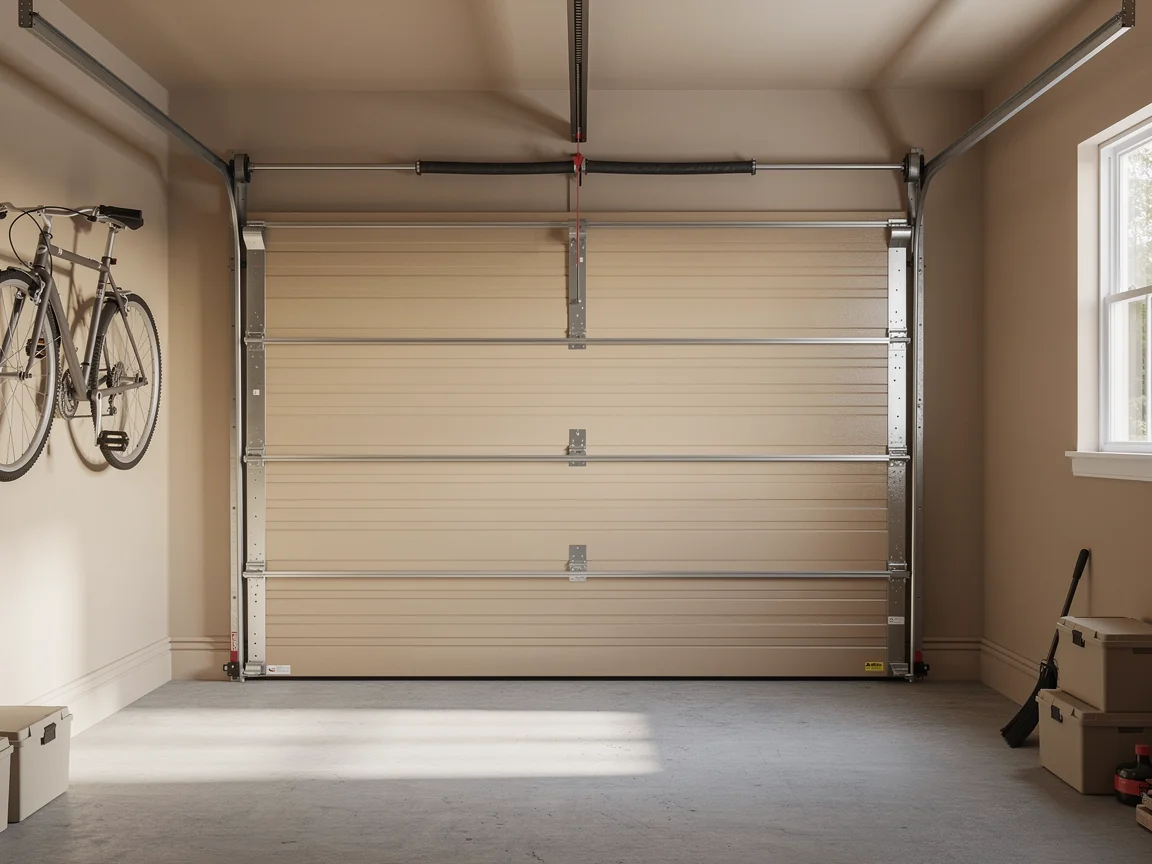
Doors from the late 1980s in this part of the service area are almost always steel sectional panels on torsion spring systems, not the older extension-spring setups you'll find on earlier houses.
Common 1988-era sizes
That's good news for parts: torsion springs, standard-drum cables, and galvanized rollers from that era are common sizes, and we carry them on the truck rather than special-ordering.
Paint hides hinge wear
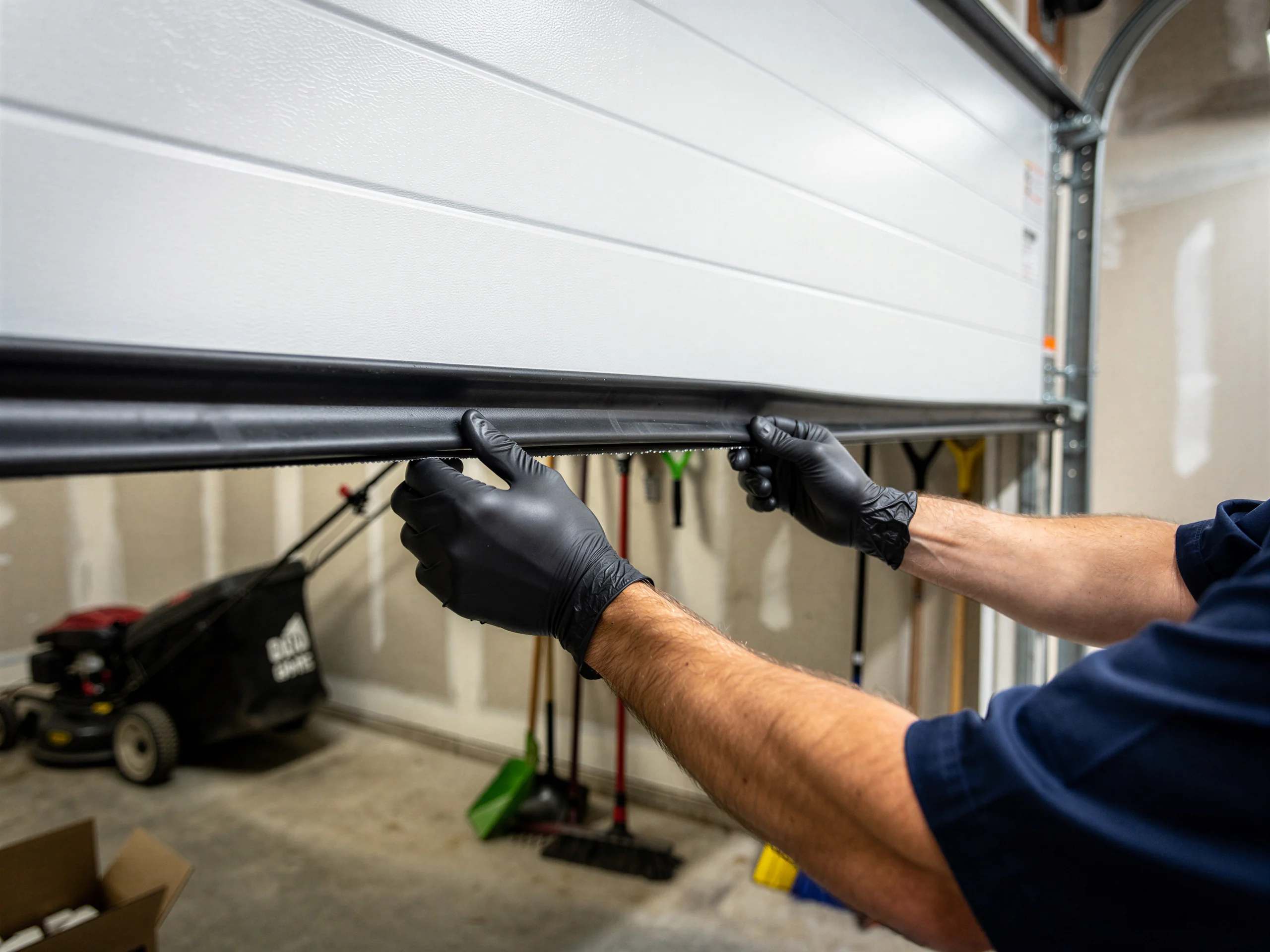
Where we do sometimes get caught out is hinges and end bearing plates on doors that have been repainted or patched over the years - the coating can hide wear until we've got the panel off.
Return trip for brackets
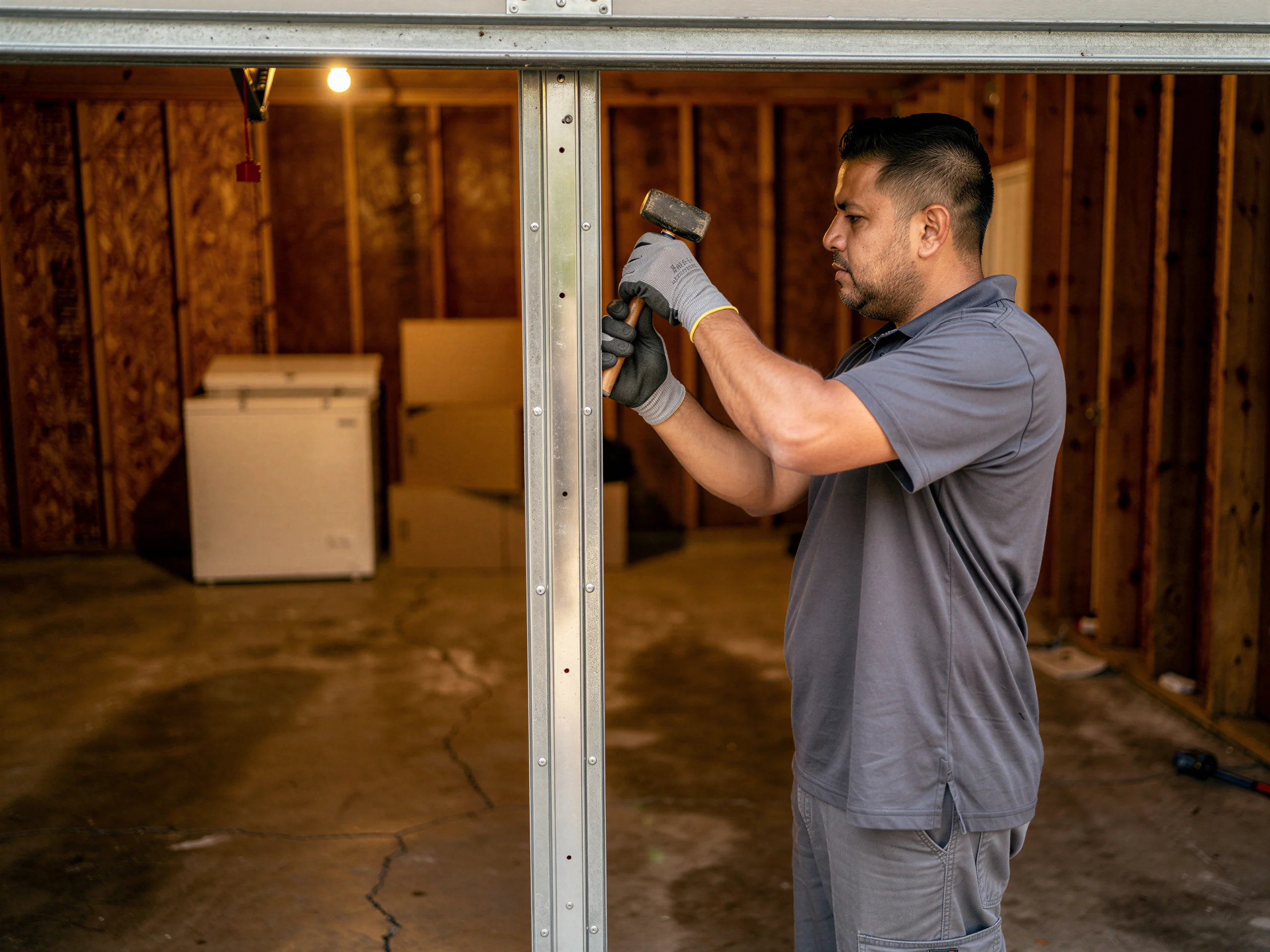
We stock the common double-garage sizes that match 1988-era construction, but if a door's been replaced once already with something nonstandard, we may need a return trip for the right bracket or end stile. That's the honest limit here: we don't carry every custom-width part on the truck, and we'd rather order it right than force a fit.
What It Costs
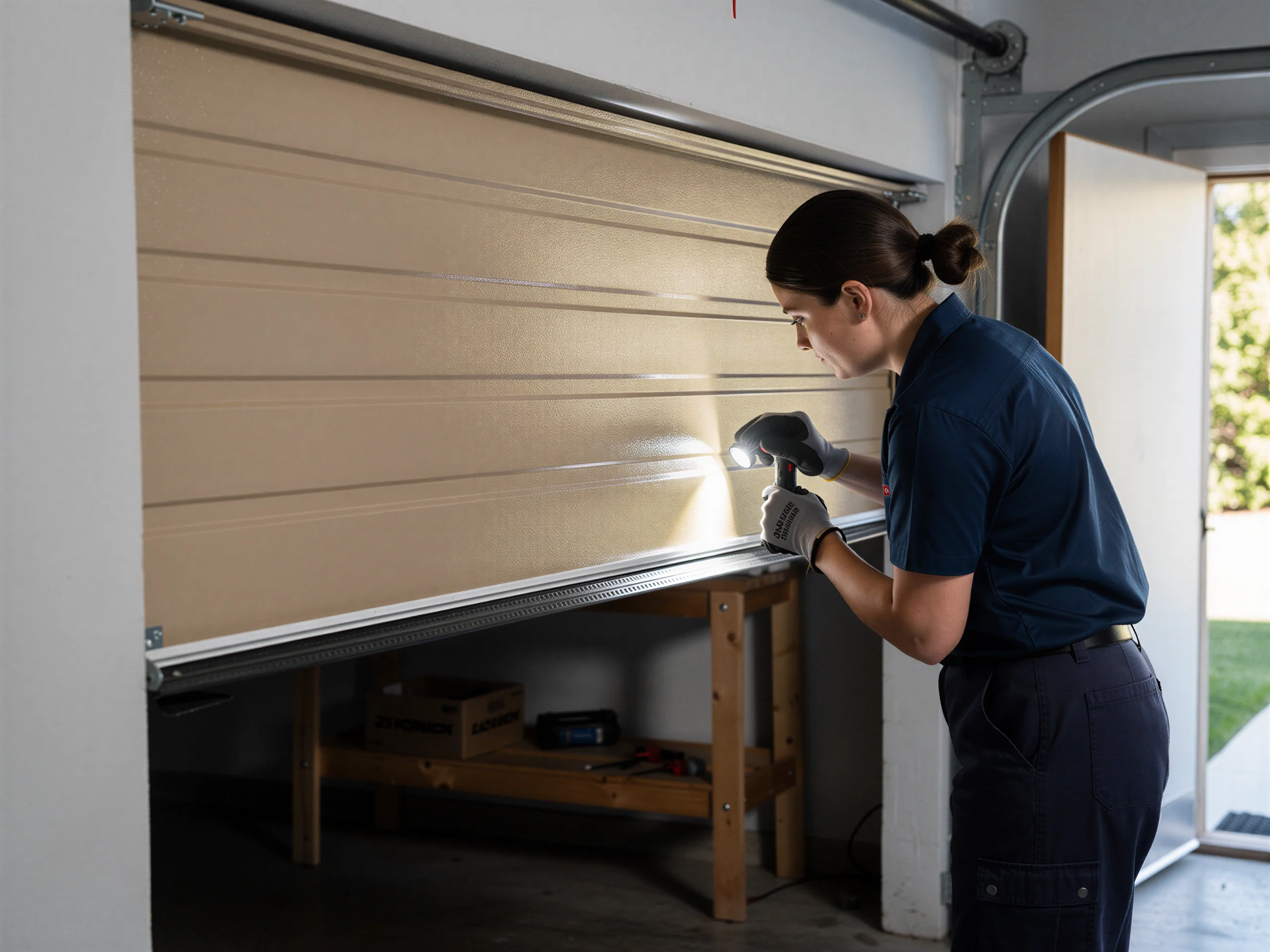
We don't quote maintenance pricing by town, and we're not going to invent a number for Peachtree Corners that isn't in what we've confirmed. What we can tell you is that the work itself - spring tension check, track alignment, hardware torque, weatherseal inspection - doesn't change because of the address. The cold-moderate winters this whole service area sees do affect how often that work needs doing: metal contracts, lubricant stiffens, and a door that was fine in October can bind by January. Houses here tend to sit in a household income range that supports keeping a door running rather than replacing it early, which is part of why maintenance calls out this way tend to be about keeping an original 1988 door working another decade, not about swapping it out.
What You Are Seeing
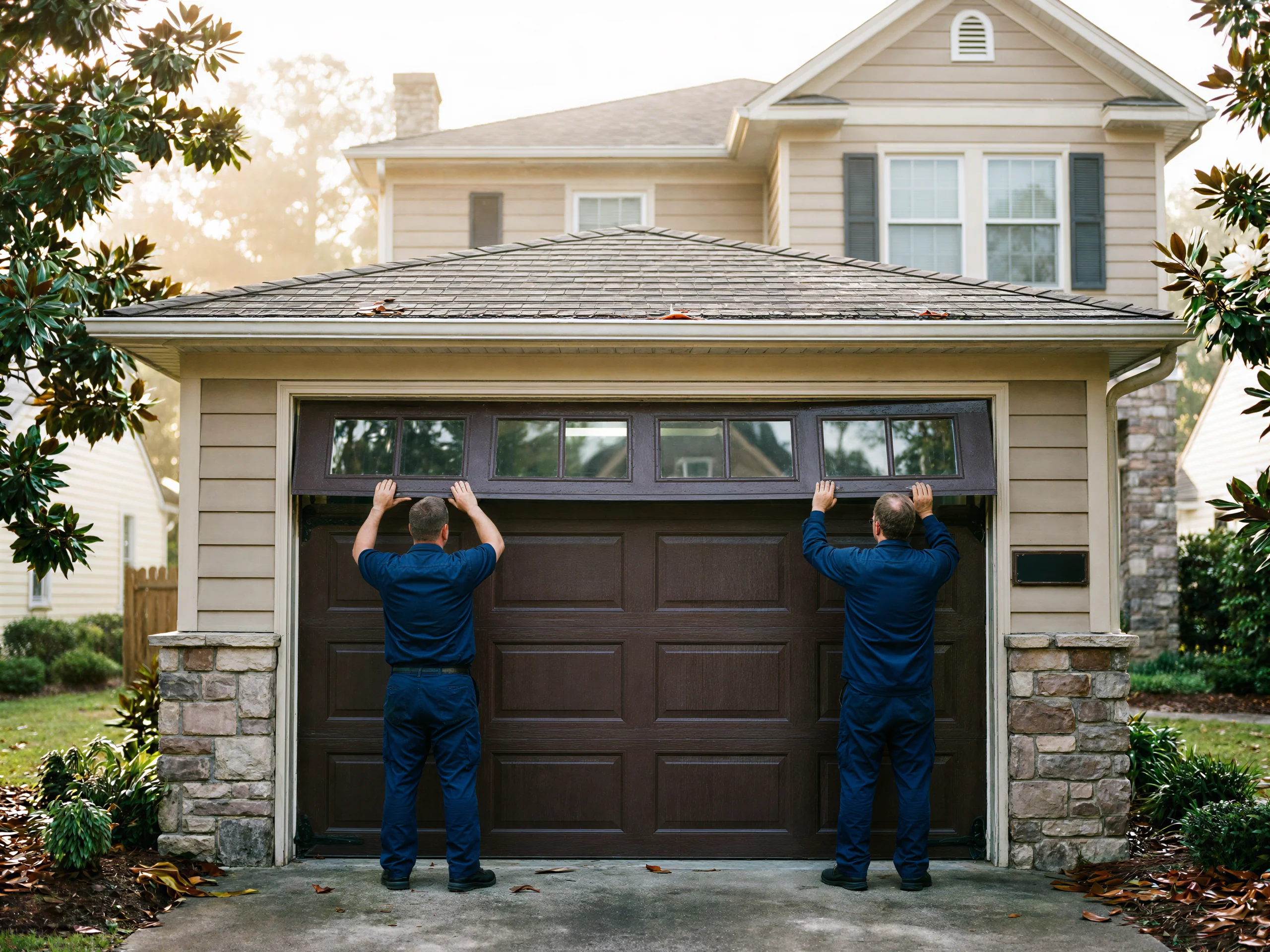
On a door built around 1988, the complaints we hear from Peachtree Corners homeowners are pretty consistent: a grinding noise on the way up, a door that shudders instead of gliding, or an opener that strains and then reverses partway.
Worn rollers and lost wind
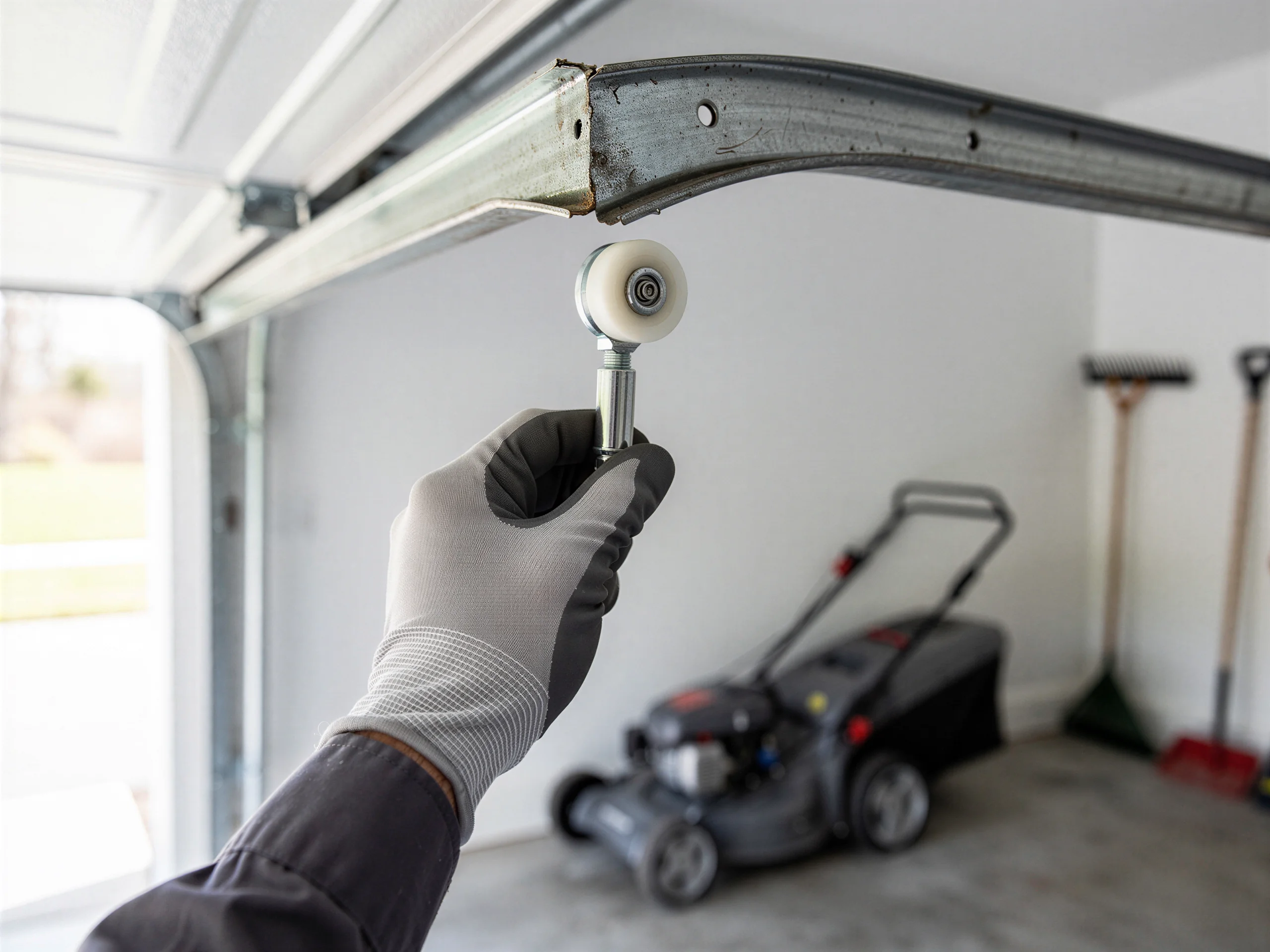
That pattern usually traces back to rollers that have worn past their nylon or original steel wheel, combined with a torsion spring that's lost some of its wind over 30-plus years of cold-season contraction and summer heat.
Cold swings loosen fasteners
The cold-moderate swings here are harder on steel hardware than people expect - it's not dramatic weather, but it's enough freeze-thaw cycling year after year to work fasteners loose and dry out lubricant faster than in a mild climate.
Pop then no lift
If you're hearing a single loud pop followed by the door refusing to lift at all, that's very likely the torsion spring finally letting go, and at that point it's a repair call, not a maintenance one.
Talk to a local pro
Garage door service in Marietta?
Same-day service with honest, upfront quotes.